 Free shipping on orders over £29,85
  Shipping Tracking!


 Google
 Facebook
← Back to How to Make Holes in the Wall Using Resin?
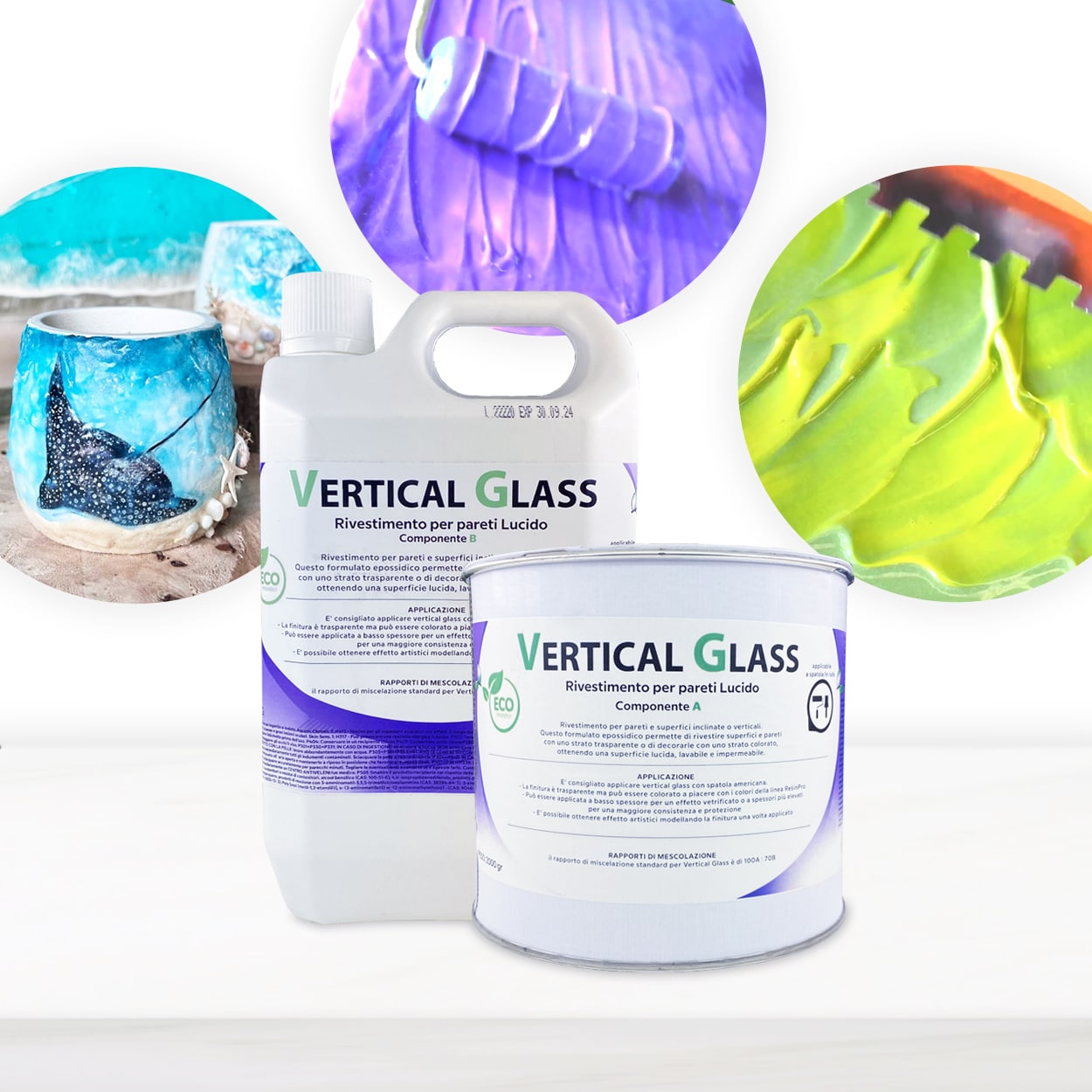
Choosing the right resin is key if you want to craft, reinforce, or decorate holes in internal walls. Whether for creative niches, repairs, or decorative effects, the right resin type ensures a clean finish and reliable hold.
Which Resin for Wall Holes?
For vertical wall applications, opt for a thick, non-drip resin to prevent runs and preserve details. Vertical Glass is specifically designed for use on vertical and sloping surfaces, making it well-suited for shaping holes, decorative cut-outs, or recesses. If your project involves casting larger, deeper recesses, a purpose-made casting resin such as Trasparente (up to 2cm thick) offers a crystal-clear result that’s easy to work with for detailed or filled effects.
Application and Working Tips
- Plan your shape: Use a mould or temporary barrier to define the hole or opening before pouring resin.
- Surface preparation: Clean the area thoroughly. For best adhesion, walls may need to be primed or roughened.
- Resin choice: For crisp edges or items you want to embed, choose a resin with good thickness and low sag (such as non-drip or thick formula options).
- Layering: Build up depth in stages if the hole is deeper than the maximum pour thickness of your chosen resin.
When Resin Choice Matters Most
The type of resin you select matters most when working on vertical walls, intricate holes, or in high-moisture areas (like bathrooms or kitchens, where waterproof and glossy finishes add functional value). Using a product like Vertical Glass helps achieve a durable, custom finish that stays put and resists water.
Related products
Related guides
The right resin transforms a simple wall opening into a durable and eye-catching feature. For more expert advice on creative resin techniques for walls, see our complete guide on how to make holes in the wall using resin.