 Free shipping on orders over £29,85
  Shipping Tracking!


 Google
 Facebook
← Back to How do you colour polyester resin?
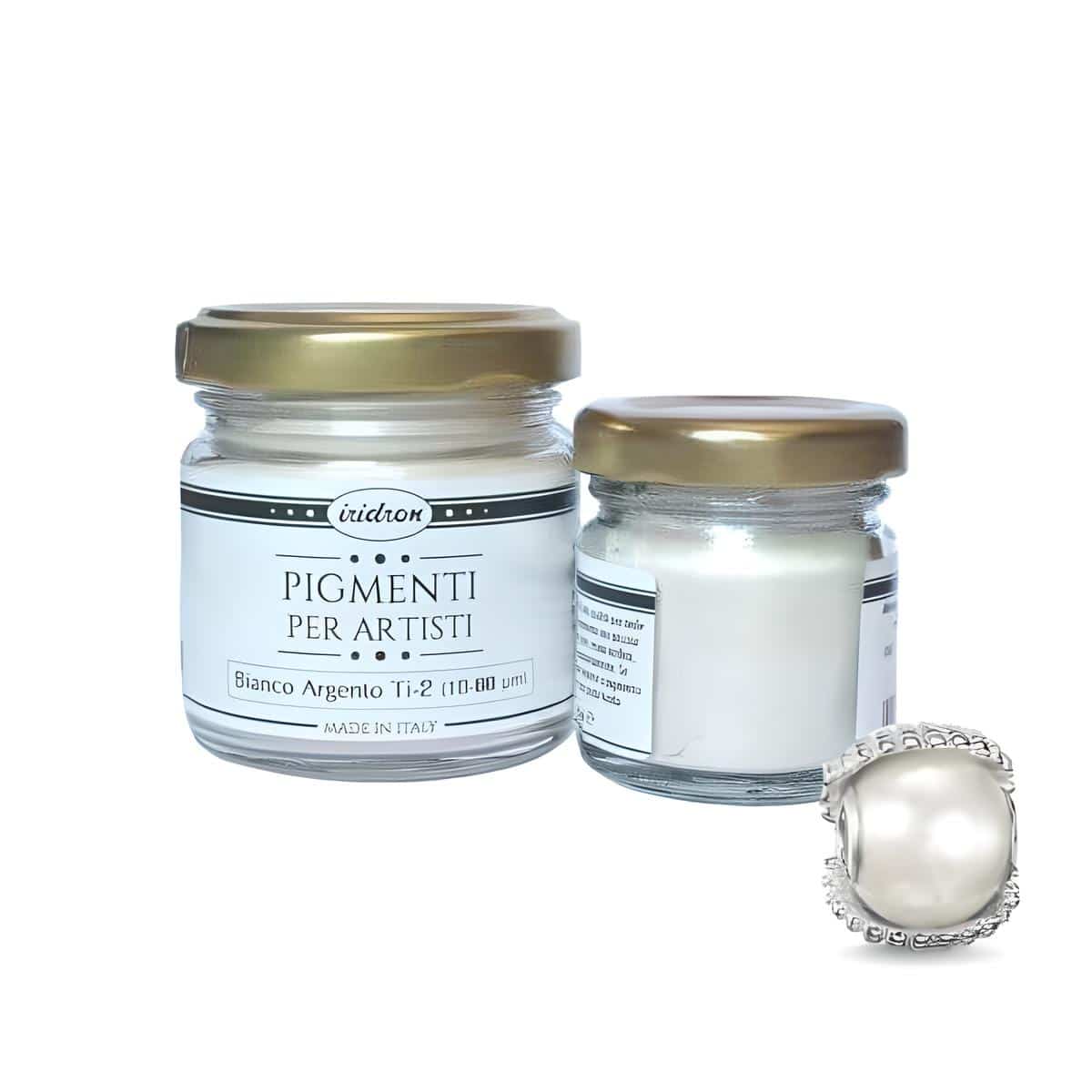
Achieving rich, even colours in polyester resin requires the right technique when mixing in your chosen pigments. Whether you’re going for bold colours, pearlescent finishes, or unique effects, following a few best practices makes all the difference.
Step-by-step: Mixing Pigments for Best Results
For the smoothest, most vibrant colour, always introduce your pigment to the resin before adding the hardener. This gives the pigment time to dissolve and distribute evenly. Gently stir until the pigment is fully incorporated, taking care to avoid vigorous mixing that can introduce air bubbles. Once the pigment is dispersed, you can mix in the hardener according to the manufacturer’s instructions, stirring slowly and thoroughly for a consistent result.
Choosing Your Pigment Type
The world of pigments offers a wide variety of creative possibilities. Mica-based options, like “Iridron” Pearline Pigments, are ideal for pearlescent and glazing effects in transparent resins. For bold, neon colours, powder pigments are a good choice. If you want your projects to glow in the dark, use a purpose-designed additive such as the Phosphorescent Pigment. Always check that your chosen pigment is compatible with polyester resin for the best results.
Tips for Special Effects and Avoiding Common Pitfalls
- For artistic effects like cells or blooming artefacts, add a specialist resin additive such as Resi-Blast after your pigment is mixed.
- Mix slowly to minimise trapped air; if bubbles appear, let the resin rest or use a suitable heat source to help them rise and burst before curing.
- Always wear gloves and follow safety guidelines when handling resins and pigments.
Related products
Related guides
By following these mixing techniques, you can maximise the vibrancy and impact of your coloured polyester resin projects. For a deeper understanding of pigment choices and colouring strategies, see the guidance on our main page about how to colour polyester resin.