 Free shipping on orders over £29,85
  Shipping Tracking!


 Google
 Facebook
How do you colour polyester resin?
Achieve vibrant, unique finishes in your resin creations
Colouring polyester resin opens up a world of creative possibilities for decorative art, jewellery, or unique DIY projects. This guide explains the best approach to achieving unique colours and effects, helping you avoid common mistakes, and ensuring long-lasting results without compromising resin quality.
What You’ll Need
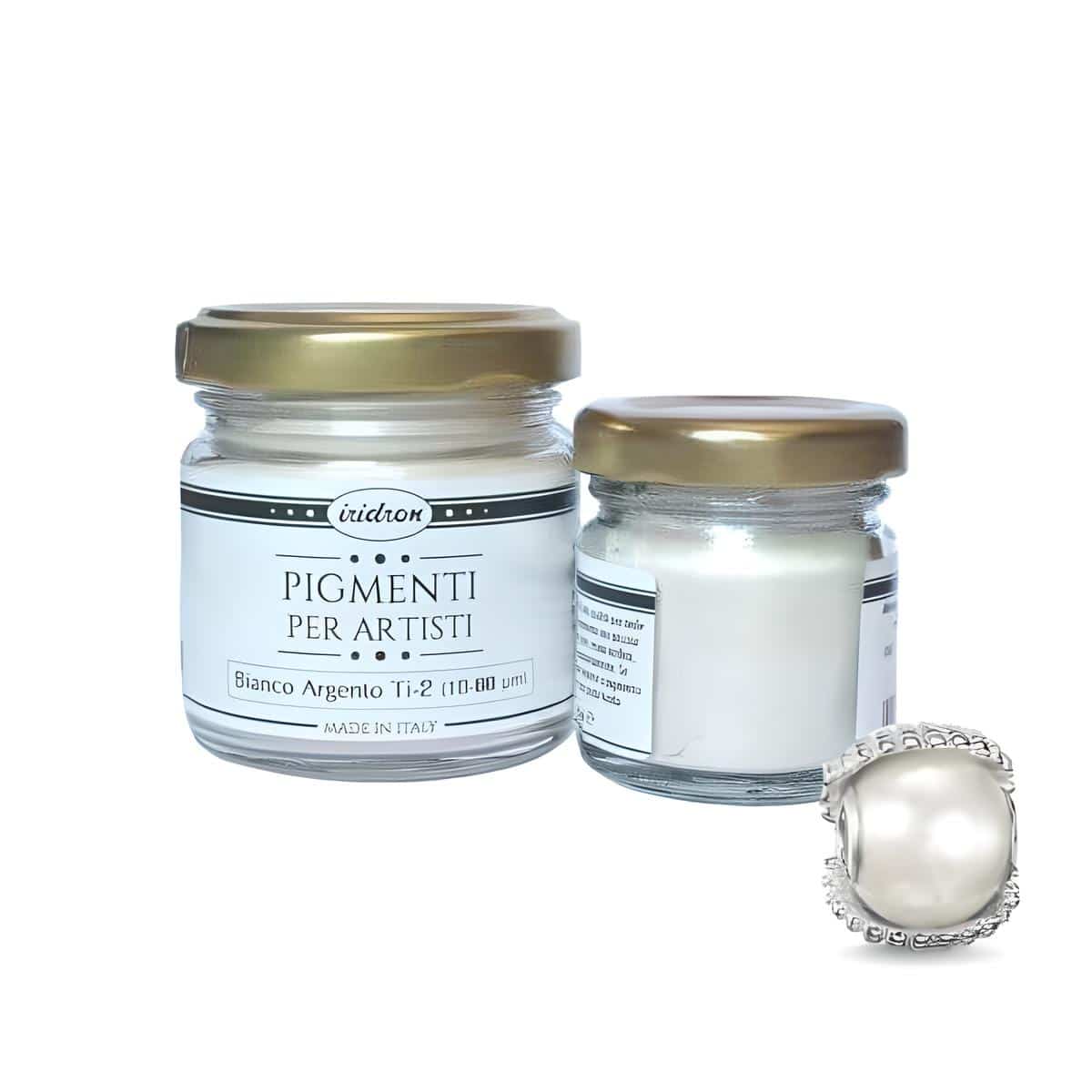
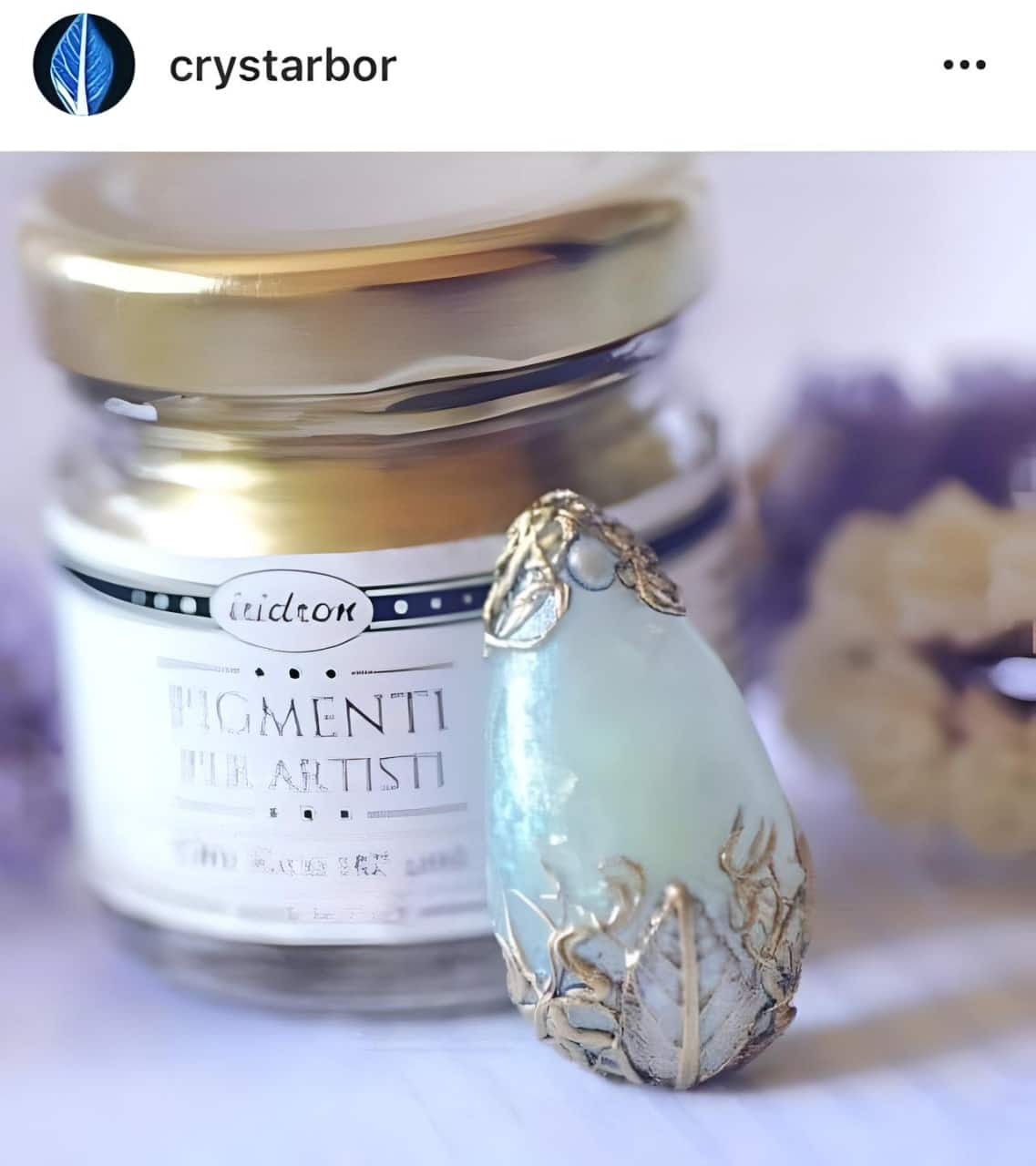
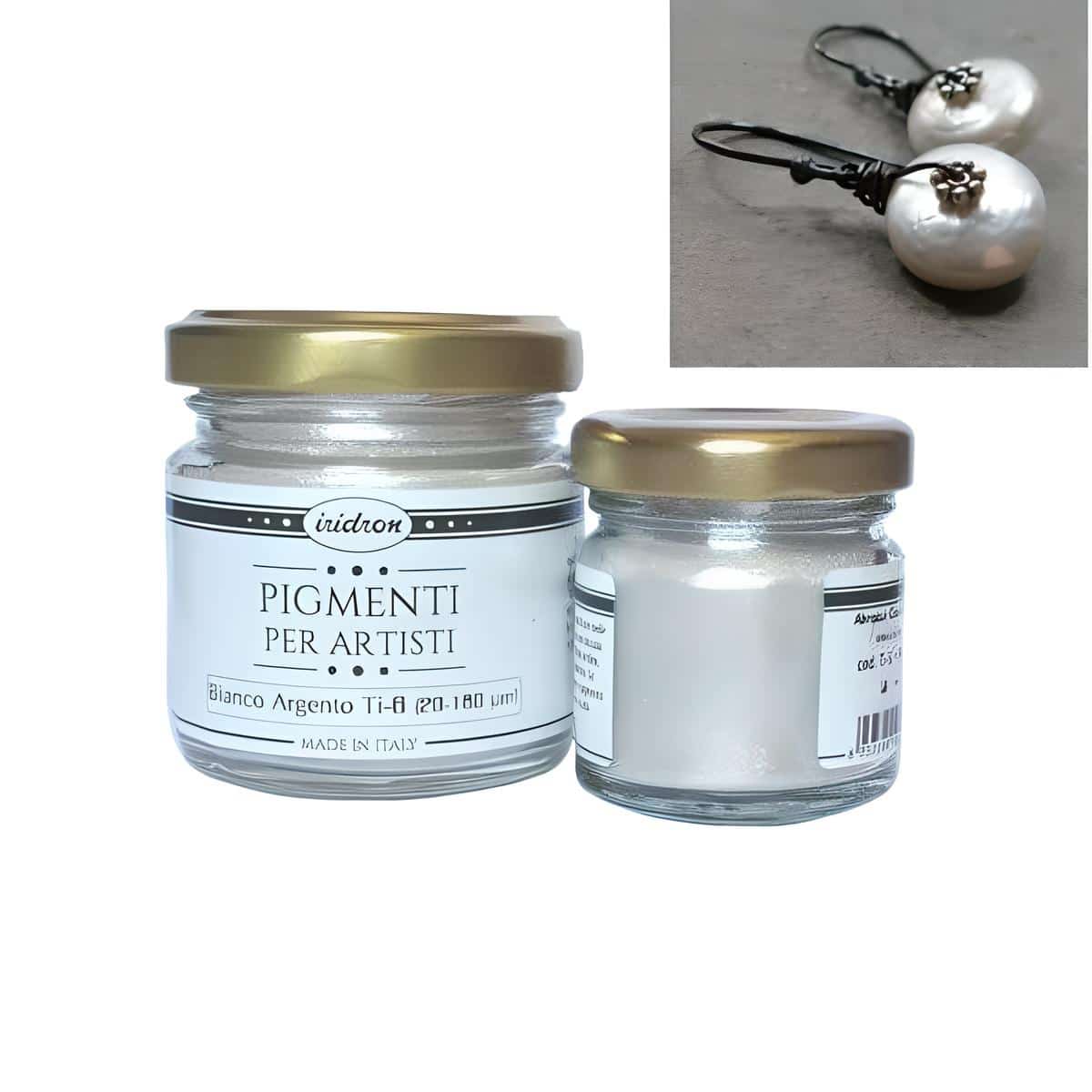
- “Iridron” – Pearline Pigments, 25ml: For pearlescent, shimmering finishes in transparent resin.
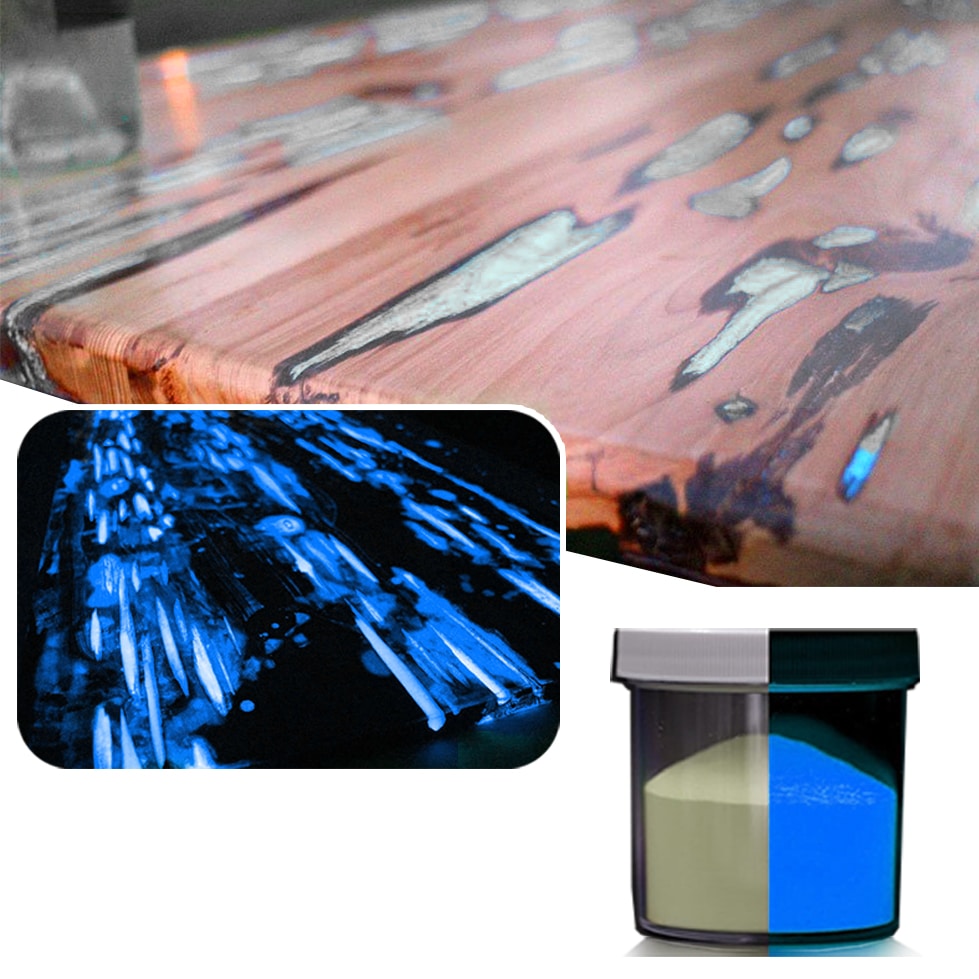
- Phosphorescent Pigment – Glow-in-the-Dark Additive for Resin, Paint, and Varnish: To add glow-in-the-dark highlights for special effects.
- “Neon” – Bright Powder Pigments – 10g: For vivid, brilliant neon colouration.
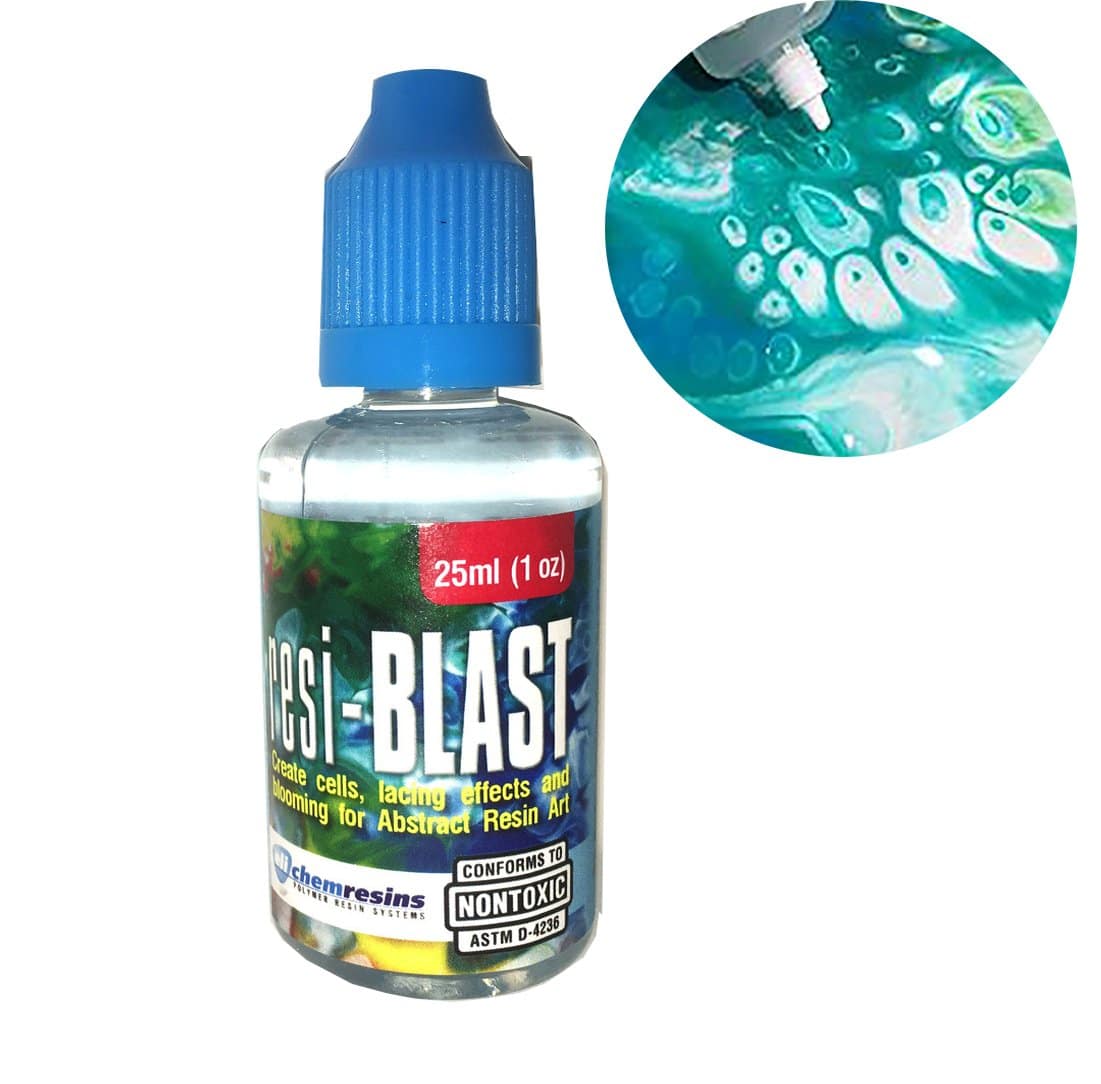
- “Resi-Blast” – Cell Effect Additive for Resin Art, 25ml: For cell and blooming patterns in coloured resin.
- Mixing cups and stir sticks
- Protective gloves and mask
Choosing Your Colour Additives
Select high-quality, resin-compatible pigments or additives for the best colour results. Avoid generic craft colourants that may interfere with the curing process. Always check that your pigment is intended for polyester resin use, such as those from our dedicated dyes and pigments range.
Step 1: Prepare Your Work Area and Safety Equipment
Before you begin mixing pigments into polyester resin, set up a ventilated workplace to avoid inhaling fumes or dust. Lay down a protective covering for your surfaces, and gather your essential tools and safety gear. Wear gloves and a mask to avoid skin contact and inhaling fine particles. Carefully read the instructions on both your resin and pigment packaging to make sure you’re using them safely and correctly.
Step 2: Measure and Mix the Resin Base
Mix the polyester resin base as directed by the manufacturer. For best results, use precise measuring tools to weigh or measure your components. Do not add the hardener yet. Ensuring an accurate ratio of resin to hardener later will prevent curing issues.
Step 3: Add Colour Pigments to the Resin
This is the most crucial stage in achieving even, vibrant colour. Always add pigment to resin before hardener for even colour. Add your chosen pigment gradually, starting with a small amount and increasing as needed for intensity. With options such as “Neon” – Bright Powder Pigments – 10g for brilliant shades, or “Iridron” – Pearline Pigments for pearlescent effects, stir thoroughly to disperse the powder or paste. Do not exceed manufacturer’s recommended pigment ratio. Overloading pigment can affect curing and transparency.
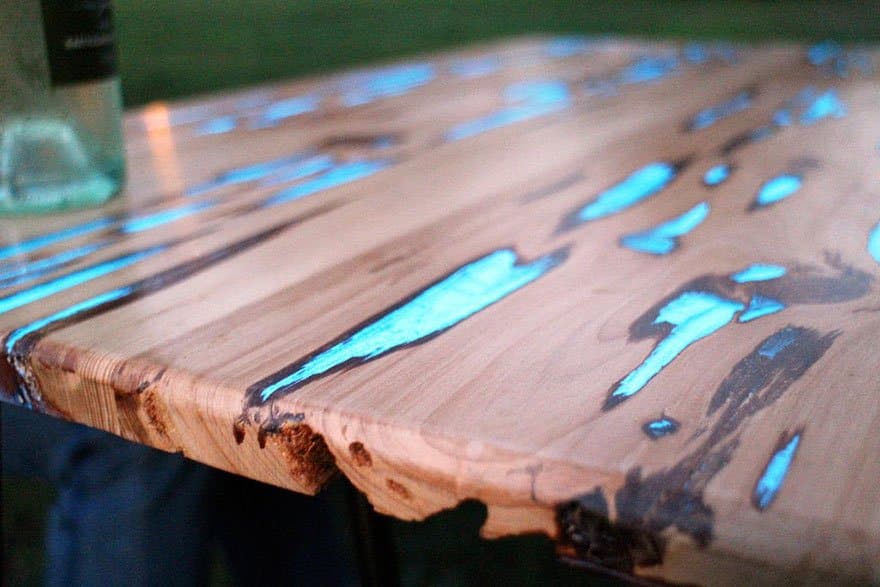
For creative accents, you might also add Phosphorescent Pigment for glow-in-the-dark results or experiment with layering different pigment types for custom shades.
Step 4: Incorporate Decorative Effects (Optional)
If you’re looking to achieve advanced cell or marble effects in your resin art, now is the time to add an effect additive like “Resi-Blast” – Cell Effect Additive for Resin Art, 25ml. Apply drops onto the surface of the freshly coloured, still-liquid resin and watch as stunning cells or blooming patterns emerge. Be mindful not to overwork, as excessive stirring can break up desired effects.

Step 5: Add Hardener, Mix Gently and Pour
Now, introduce the appropriate amount of hardener as per your resin’s technical sheet. Mix gently, scraping the sides and bottom of your cup as you stir. Avoid fast stirring to minimise bubble formation. Pour the coloured resin into your prepared mould or onto your project surface. De-gas or torch the surface to remove air bubbles if necessary.
Tips, Troubleshooting, and Common Mistakes
For consistent shades, stir pigments thoroughly to prevent streaks. Avoid using water-based colourants, as these compromise resin curing. Use only colour additives compatible with polyester resin. Always test your pigment-to-resin ratio on a small batch first to check the final colour and effect. If you notice curing or transparency issues, reduce pigment quantity, or double-check you have followed the recommended mixing order and ratios.
Creative Inspiration With Coloured Polyester Resin
Incorporate special additives such as phosphorescent or pearlescent pigments to achieve dramatic decorative effects in your resin creations. Try layering different colours or adding cell effect components to create unique, personalised art pieces.
- Phosphorescent Pigment – Glow-in-the-Dark Additive for Resin, Paint, and VarnishPrice range: £7.75 through £12.85Phosphorescent Pigment is designed to add glow-in-the-dark effects to resins, paints and varnishes for decorative and practical uses.
- “Iridron” – Pearline Pigments, 25ml£5.45“Iridron” Pearline Pigments are mica-based and suitable for glazing with transparent resins to achieve unique chromatic effects.
- “Neon” – Bright Powder Pigments – 10g“Neon” Bright Powder Pigments are designed for creative use with resins and paints within a theme about colouring polyester resin.
- "Resi-Blast" – Cell Effect Additive for Resin Art, 25ml£20.50"Resi-Blast" is designed to create cell effects in resin art using a non-toxic liquid additive suitable for various resin types.
Frequently Asked Questions
What is the best way to mix colour pigments into polyester resin?
Add pigment to the resin before the hardener and stir until fully dispersed. Mix gently with the hardener to prevent bubbles.
What colour pigments can I use with polyester resin?
Use pigment powders, pearlescent pigments, and additives specifically labelled for polyester or casting resins.
Does adding too much pigment affect polyester resin curing?
Yes, excessive pigment can lead to incomplete curing, softness, or loss of transparency. Always follow recommended ratios.
How do I prevent streaks or spots when colouring polyester resin?
Always mix pigments thoroughly, slowly adding them to avoid clumping. Use a spatula or stirrer to reach the sides and bottom of your container.
Are special effect additives like Resi-Blast suitable for polyester resin?
Yes, effect additives such as Resi-Blast can be used with polyester resin to create patterns and cells. Always check individual product compatibility.
Are there important safety tips when colouring polyester resin?
Wear gloves and a mask, and work in a well-ventilated area to safeguard against fumes and dust.