 Free shipping on orders over £29,85
  Shipping Tracking!


 Google
 Facebook
← Back to How to Make Holes in the Wall Using Resin?
When filling vertical holes in walls with resin, removing unwanted bubbles is essential to achieving a smooth and flawless finish. Bubbles can get trapped easily due to the shape and position, but simple techniques can help you achieve professional results.
Effective Bubble Removal Techniques
Shortly after pouring resin into a vertical hole, carefully inspect the surface for any visible bubbles. The most effective method is to use a gentle heat source, such as a heat gun set on a low temperature. Move it steadily over the resin surface for a few seconds, as the warmth encourages trapped air to rise and escape.
For deeper holes or stubborn bubbles just below the surface, a fine needle or toothpick allows you to manually pop or draw out bubbles before the resin starts to cure. Work gently to avoid disturbing the setting resin and be sure to check from different angles to spot hidden bubbles.
Choosing the Right Resin and Tools
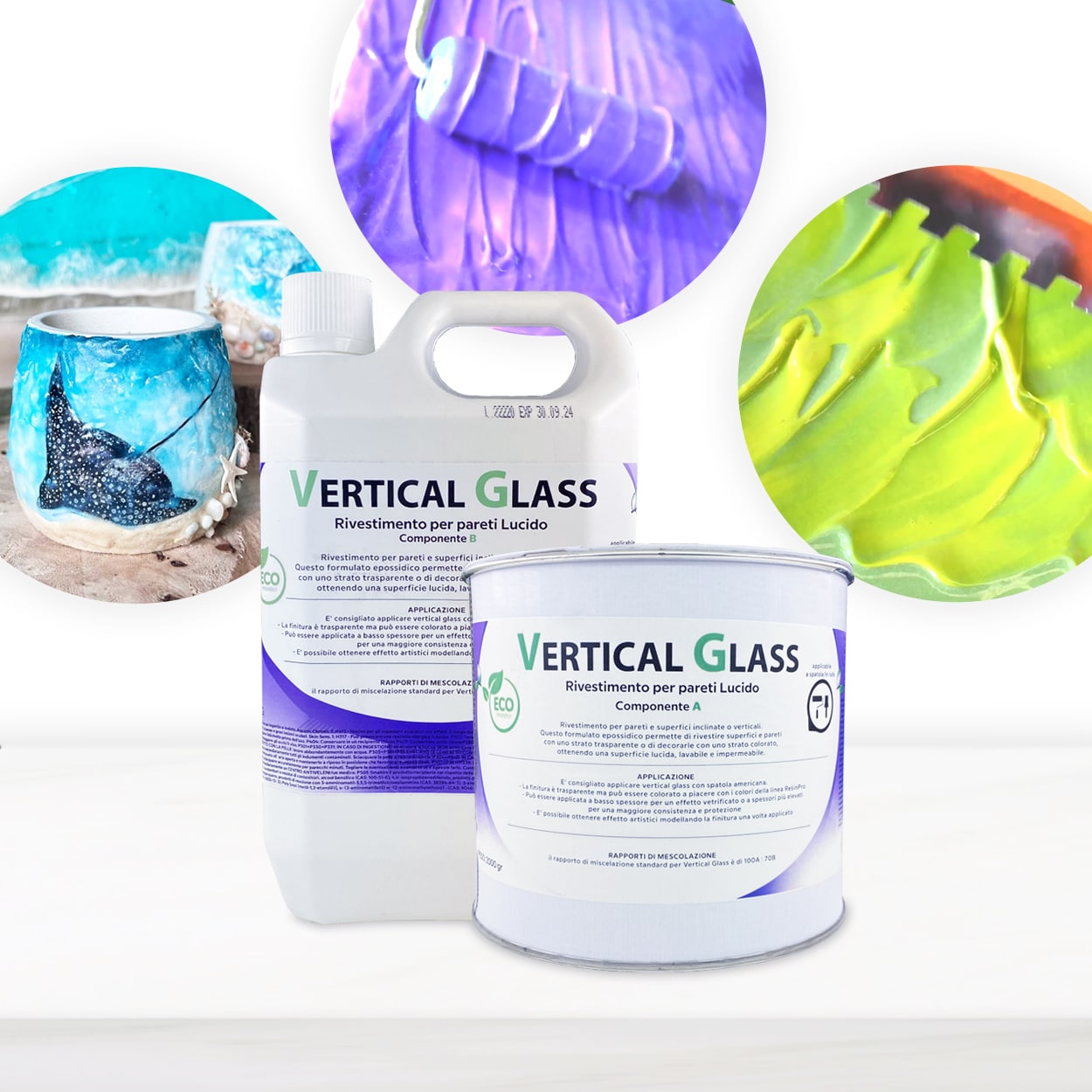
For vertical applications, high-viscosity or non-sag resins, such as “Vertical Glass” wall coating, minimise unwanted drips and help maintain your design. Select tools like a heat gun (avoid open flames) and sterile fine needles to precisely remove bubbles without damaging your work. Always work in a well-ventilated area and follow the resin’s instructions for best results.
When Bubble Removal Matters Most
Bubble-free finishes are especially important for decorative or clear resin projects, where visual clarity is essential. This process also ensures proper adhesion around wall hardware or fixtures, preventing weak points or voids in the cured resin.
Related products
Related guides
Mastering bubble removal not only enhances the look of your vertical resin projects, but also ensures lasting results. For a complete approach to working with resin in walls, explore our main guide on how to make holes in the wall using resin.