 Free shipping on orders over £29,85
  Shipping Tracking!


 Google
 Facebook
← Back to Which product should I use for resin on peaches?
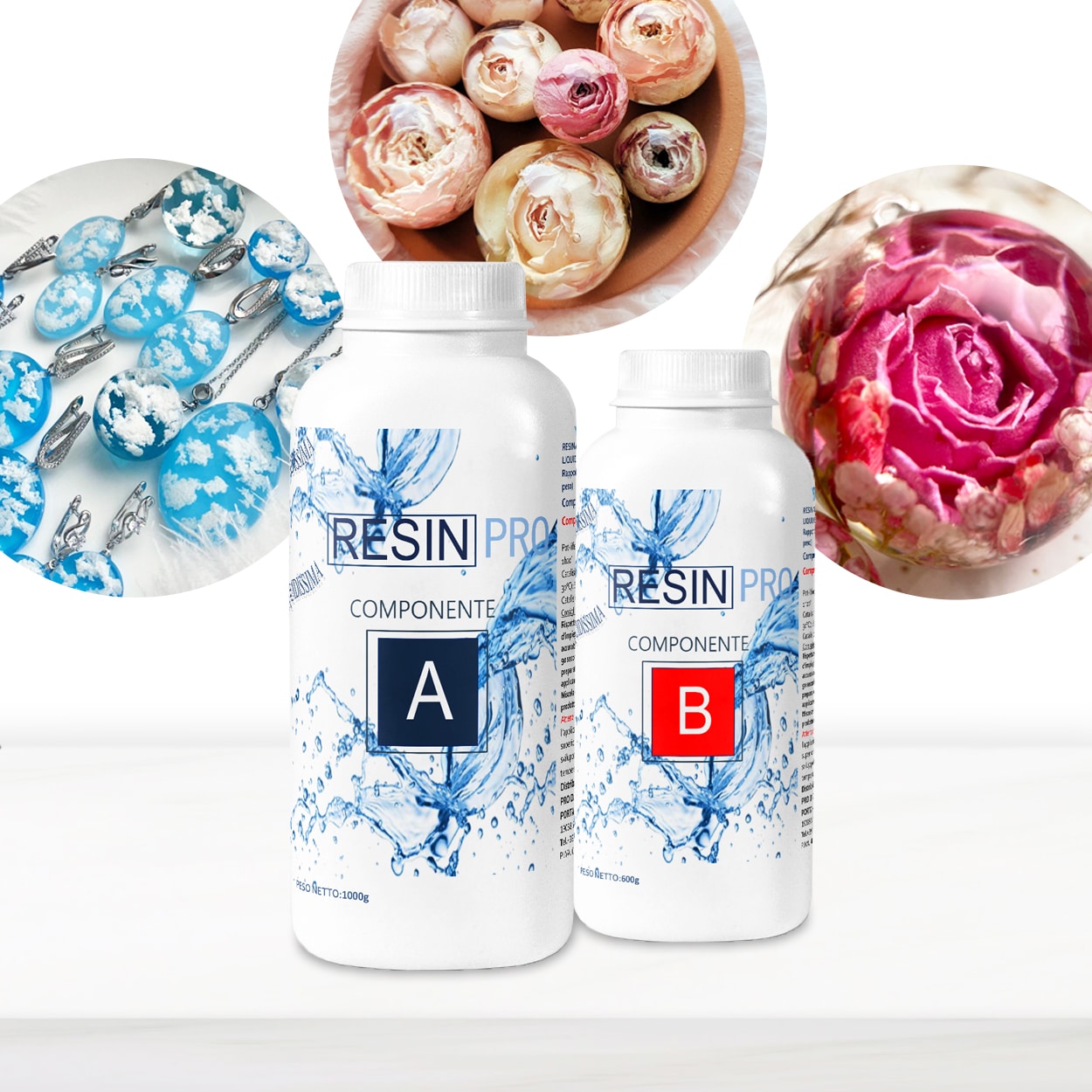

Bubbles are a common hurdle when working with epoxy resin, often detracting from the clarity and quality of your finished piece. Fortunately, effective bubble management is achievable with the right techniques and resin choice.
Why Do Resin Bubbles Form?
Bubbles typically appear in resin for a few reasons: mixing process, trapped air in intricate moulds, or pouring too quickly. Low-viscosity formulas, such as “Liquidissima” epoxy resin, are designed to help air escape, making them ideal for detailed or delicate projects. Choosing the correct resin can be your first step in reducing bubbles.


Best Practices for Bubble-Free Results
- Mix slowly: Stir the resin and hardener gently to minimise the introduction of air.
- Rest after mixing: Allow the mixed resin to stand for several minutes, letting bubbles rise before pouring.
- Pour in layers: Apply resin in thinner layers when possible, allowing trapped air to escape each time.
- Use a heat source: Carefully pass a heat gun or torch over the resin’s surface just after pouring to pop surface bubbles efficiently.
When Bubble Management Matters Most
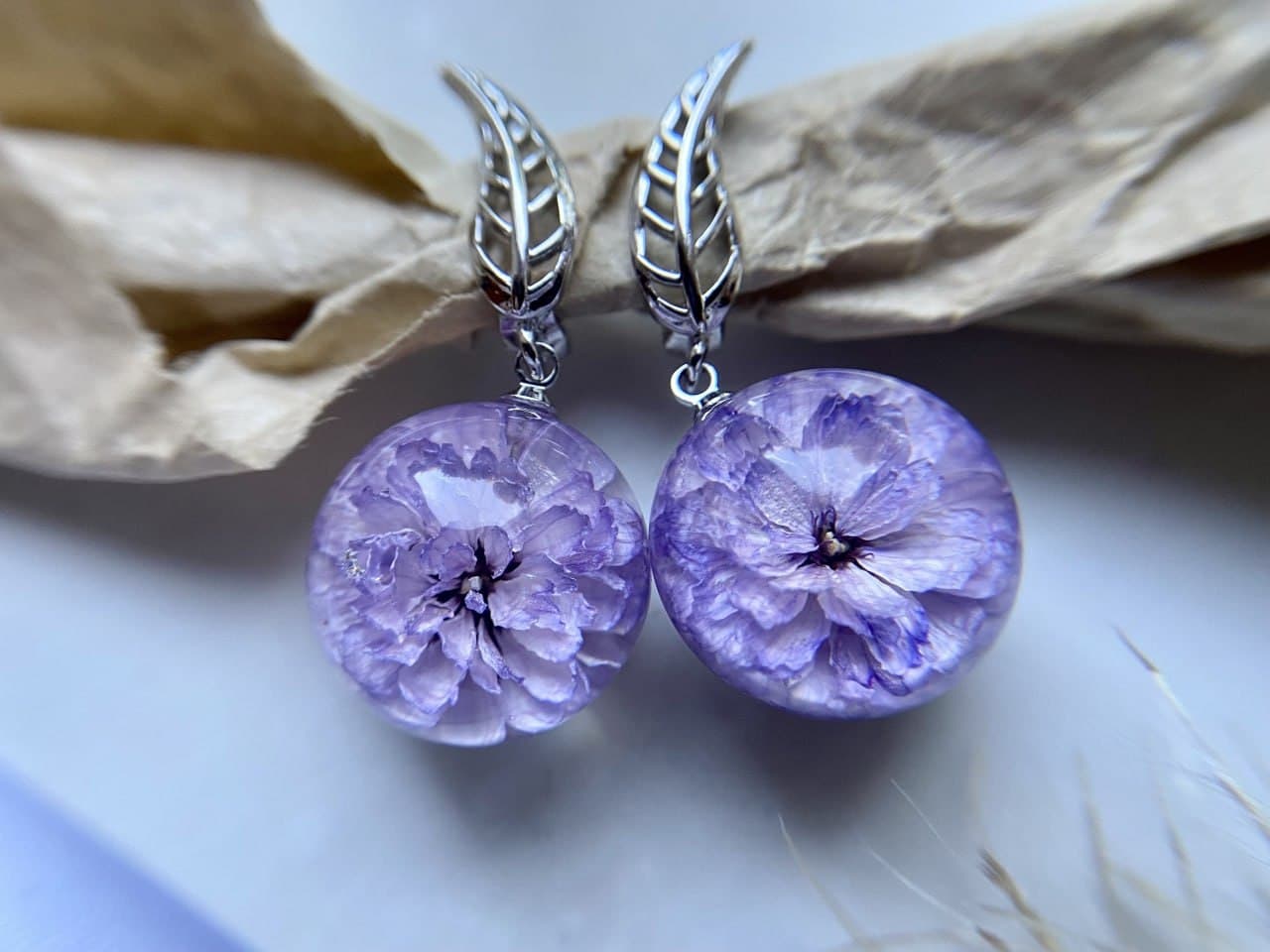
Precise bubble management is especially important for projects where resin clarity is crucial—such as jewellery, art, or decorative inlays. For these uses, opting for a resin formulated for minimal bubbles, like “Liquidissima”, is well worth considering.
Related products
Related guides
Addressing bubbles early leads to far better results, making your resin look professionally finished. For more in-depth guidance on choosing the right resin for unique projects like coating peaches, see our main advice page.