 Free shipping on orders over £29,85
  Shipping Tracking!


 Google
 Facebook
← Back to How many litres of resin are needed for 50 square metres?
If you’re considering a resin finish for your floors, you may wonder if casting resin is a suitable choice. Let’s explore when it can work, where it shines, and what to keep in mind for robust, attractive flooring results.
Casting Resin for Floors: Advantages and Limitations
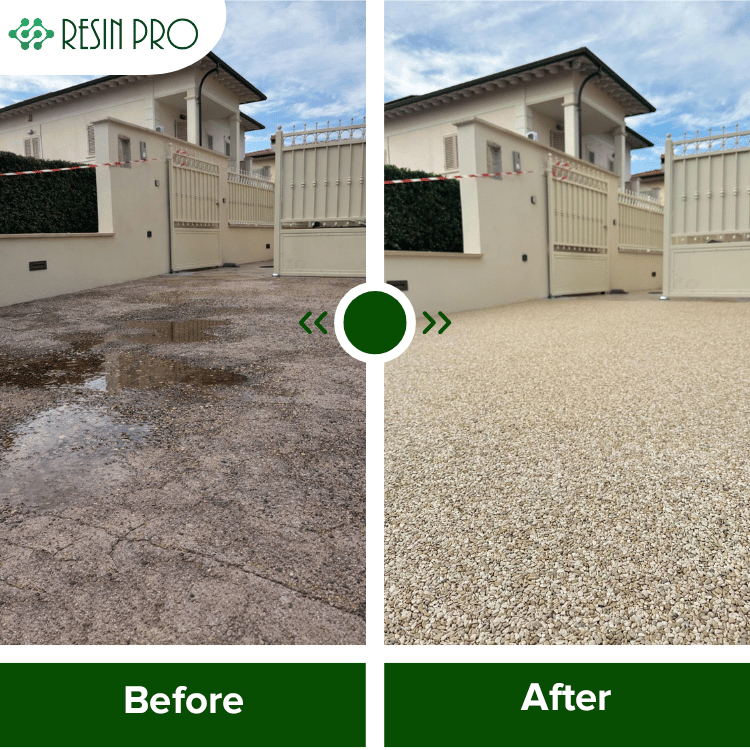
Casting resins, such as clear multipurpose epoxy, can produce seamless, creative finishes when used as a thin floor coating. Their self-levelling properties help achieve a glossy, even surface that looks modern and is easy to clean.
However, casting resins are typically designed for decorative castings and may not provide the same long-term abrasion resistance as floor-specific, heavy-duty resins. For floors that expect daily foot traffic or occasional dragging of furniture, it’s important to apply a hardwearing topcoat over the casting layer for added protection.
Best Practices for Using Casting Resin on Floors
- Always prepare the floor thoroughly—ensure it is stable, dry, and dust-free before pouring the resin.
- Apply the casting resin in layers no thicker than recommended (usually 2cm or less per pour) to avoid issues such as bubbling or slow curing.
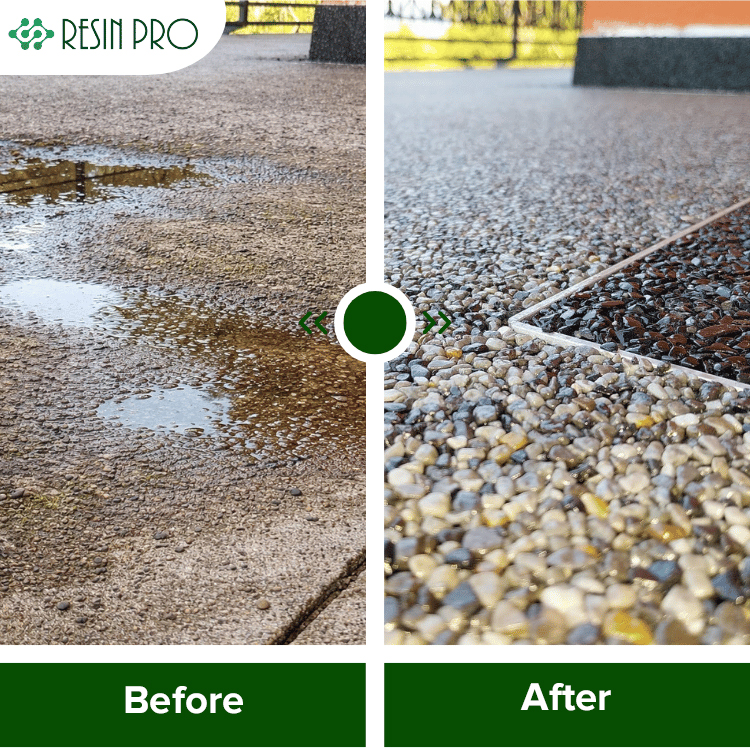
- For white or light-coloured decorative stones, opt for non-yellowing polyurethane; for coloured floors, a low-yellowing epoxy such as “Trasparente” – Epoxy Binder for Coloured Pebbles and Grits is suitable.
- Finish with a high-quality, clear protective topcoat to enhance scratch resistance and preserve the appearance, especially in high-traffic areas.
When This Matters: Choosing the Right Resin for Floor Projects
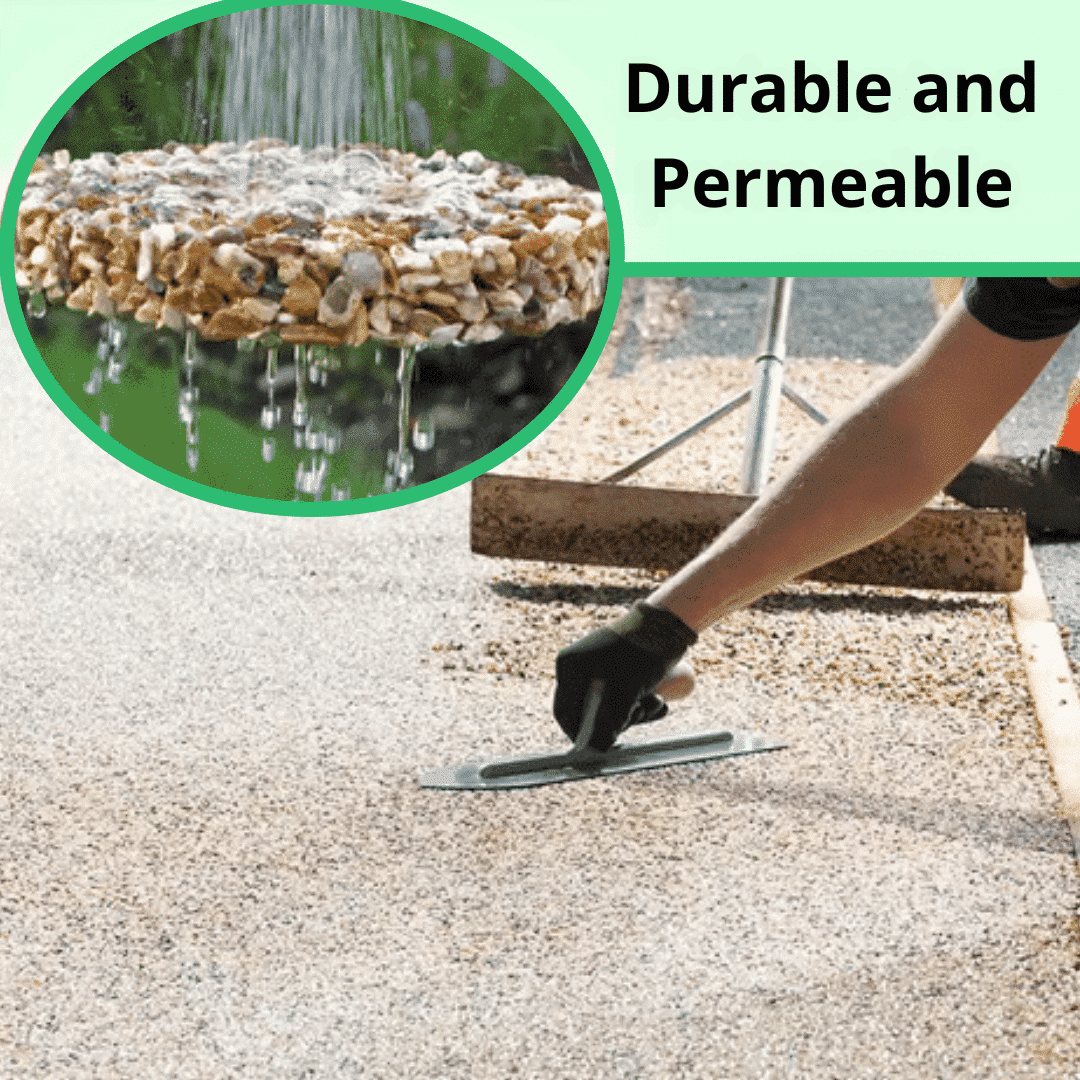
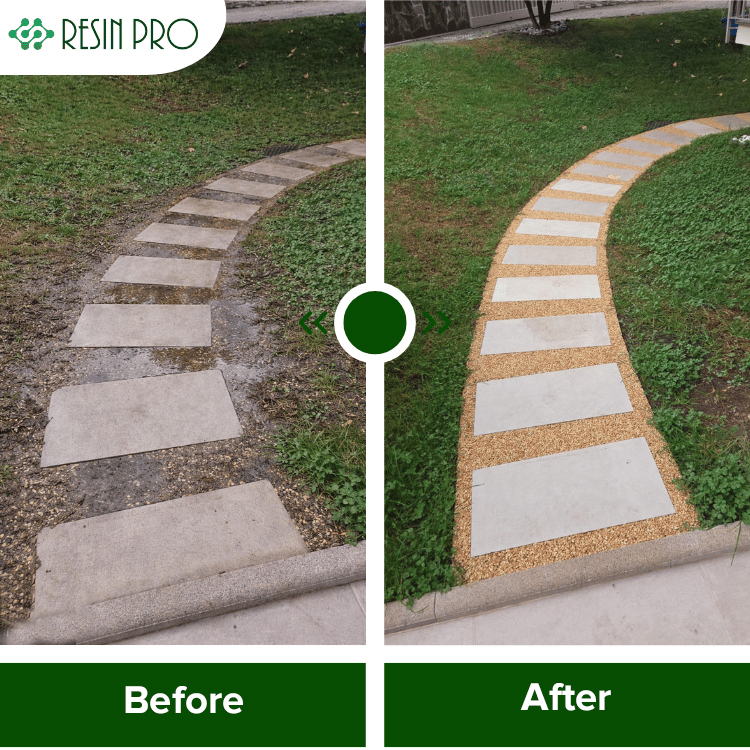
Casting resin is a flexible solution for design-led, creative floors or small domestic spaces where visual impact is key and heavy wear is limited. For larger or highly used floors—garages, hallways, or outdoor surfaces—dedicated flooring kits, like the Flowstone Complete Permeable Floor Kit, deliver greater durability and easier long-term care.
Related products
Related guides
While casting resin brings style and creativity to flooring projects, pairing it with the right protective products and following best practices is key to lasting success. For broader resin usage tips, see our main guide on resin quantities and application considerations.