 Free shipping on orders over £29,85
  Shipping Tracking!


 Google
 Facebook
← Back to Can marble with resin still be polished?
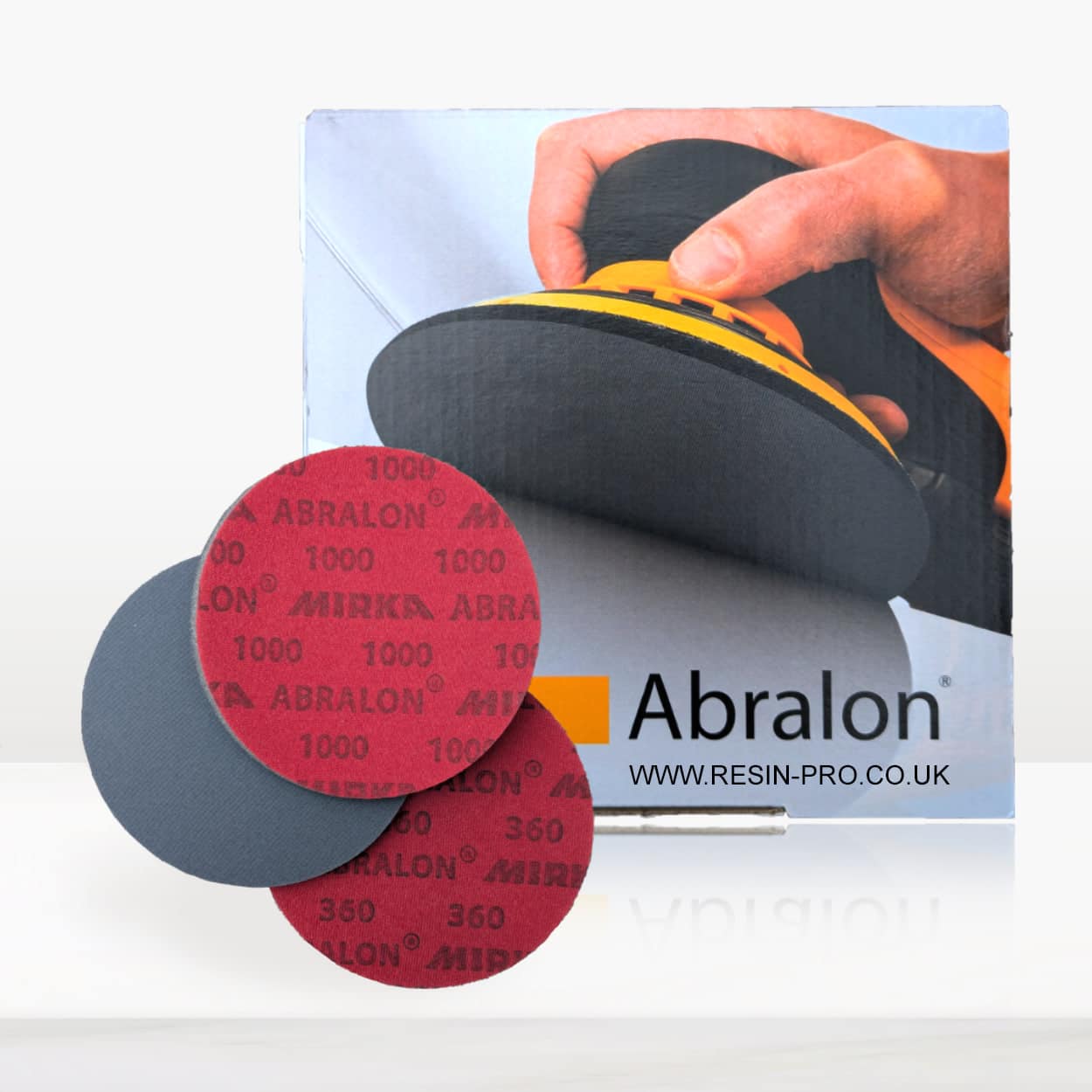

Ebonite Abralon Pads offer flexibility when sanding and finishing composite surfaces like epoxy resin and wood. Whether you choose to sand wet or dry, these pads deliver controlled, consistent results.
Wet vs Dry Sanding with Abralon Pads
Ebonite Abralon Pads are designed for both wet and dry sanding. Wet sanding helps keep the surface cool and minimises dust, making it ideal for delicate resin work or when reducing clogging during long sanding sessions. Dry sanding, on the other hand, is convenient and often suitable for initial passes or lighter refinements. The foam backing and open fabric on these pads ensure effective performance whichever method you use.


How to Use on Composite Surfaces
Start with a coarser grit and progress to finer grits—Abralon Pads are available from 360 up to 4000—for an exceptionally smooth result. For wet sanding, simply dampen the pad and the surface before working in even, overlapping strokes. For dry use, gently sand as usual, checking frequently for smoothness. These pads maintain controlled pressure, allowing detailed finishing without gouging soft resin or composite materials.
For enhanced shine after sanding, consider pairing your surface prep with an epoxy resin polishing system for professional results.
When Wet or Dry Sanding Matters
Opt for wet sanding when working with sensitive composites or aiming to minimise airborne dust. Dry sanding may be better suited for quick repairs, shaping, or where cleanup ease is a priority. The flexibility of Ebonite Abralon Pads means you can adapt your technique to suit each project’s need.

Related products
Related guides
Whether you’re refining resin art or finishing a composite surface, Ebonite Abralon Pads support a smooth, even finish both wet and dry. For more on achieving that perfect polish, explore the full range of techniques and products in our main polishing guide.