 Free shipping on orders over £29,85
  Shipping Tracking!


 Google
 Facebook
Can marble with resin still be polished?
Restore shine to marble and resin surfaces with precise polishing solutions.


Combining marble with resin is a popular method for creating stunning surfaces in tables, countertops, and decorative projects. Yet, many wonder whether these composite surfaces can be polished to achieve a brilliant gloss and maintain their elegance over time. This page answers that question by comparing the best polishing solutions designed specifically for the unique properties of resin-marble blends, guiding anyone seeking to rejuvenate, restore, or refine such finishes, whether you’re a professional or DIY enthusiast.
How Resin-Marble Surfaces Can Be Polished: Key Considerations
Marble bonded with resin can indeed be polished to restore its lustrous finish. The crucial factor is using products and tools suited to both epoxy resin and natural stone. Standard abrasive methods can introduce scratches or dullness, so it’s important to follow a staged approach—typically involving sanding with progressively finer grits, then applying a dedicated resin polish. Finishing with the correct formulation ensures no residue or swirl marks, even on mixed or dark-coloured surfaces.
Not all polishes or pads are optimised for composite surfaces. For best results, select products compatible with epoxy and mineral bases, such as those found in the Sanding and Polishing range. The table below compares top solutions for each stage: preparing, sanding, buffing, and final polishing.

Understanding the Polishing Process
Polishing resin-marble composites involves careful preparation and gradual refinement. Begin with sanding pads to level imperfections, then move to a polishing cream designed for resin. Consistent technique and appropriate speed selection are essential for a smooth, glossy finish.
“Epoxy Polish” – Epoxy Resin Polishing System: For Ultimate Clarity
Epoxy Polish – Epoxy Resin Polishing System is specially formulated to impart a glossy, mirror-like finish on resin-dense surfaces, including composites where marble and resin are mixed. Its Effortless Scratch Removal feature eliminates micro-scratches and dullness, making it an excellent choice after initial sanding. The Professional-Grade Formula and Anti-Hologram Technology ensures your surface looks flawless, free from swirl marks, whether you polish by hand or with a rotary tool. This polish is also vegan-friendly, cruelty-free, and trusted by resin artists worldwide, making it especially suitable for fine restoration work on artistic and domestic projects alike.
“Carbon Polish” for Dark and Black Resin-Marble Composites
When your project features dark marble or you are working with black-dyed resin, Carbon Polish – Polishing System for Dark and Black Surfaces is optimal. This product ensures a deep gloss without leaving the pale residues typical of generic pastes. The Easy Application: supports both manual and powered techniques, while the Special Formula: is odourless, non-whitening, and safe for plastics often found in mixed-media art or furniture. Its eco-friendly credentials mean you can achieve high-impact results with a smaller environmental footprint.
1200W Polisher: Power and Precision for Larger Areas
The 1200W Polisher for Sanding and Buffing – Variable Speed, D-Handle is your tool of choice for handling larger resin-marble surfaces, such as countertops and tables. With its Variable Speed Control, you can tailor the approach for each material—slow speeds for fine marble details, faster settings for broad resin zones. The Sturdy D-Handle provides comfortable grip and stability for extended projects, while the quick-change mechanism simplifies pad replacement. Pair this tool with the right polishing cream or sanding pads for optimal efficiency and surface quality.
“Ebonite Abralon” Sanding Pads: Essential for Pre-Polishing
Ebonite Abralon – Sanding Pads 360-4000 Grit for Resin and Wood offer a full range of grits designed for sequential sanding before the final polish. These pads facilitate Available in grits from 360 to 4000 for precise sanding and work equally well wet or dry, ideal for both resin and marble elements. Their foam backing applies even pressure—reducing the risk of gouges and ensuring a consistently smooth substrate that’s ready for final buffing.
Choosing the Right Polishing Workflow for Your Project
Achieving a polished finish on marble-resin composites requires a systematic sequence: start with coarse sanding pads to remove blemishes, step through finer grits, and finish with a suitable polish tailored to your surface colour and composition. For general projects, a combination of Ebonite Abralon Sanding Pads and Epoxy Polish ensures clarity and high gloss. For darker designs, Carbon Polish prevents whitening, while a variable speed polisher delivers consistency on bigger surfaces. Always check your tools and products are suited to the specific resin, marble, or composite blend you are polishing.
Surface Types and Thematic Polishing Tips
Test in a small area first to confirm compatibility, especially when working with coloured marble or resin stains. Maintain steady motion and gentle pressure to prevent heat build-up and uneven gloss. For intricate or artistic pieces, work incrementally for best surface uniformity.

- "Epoxy Polish" – Epoxy Resin Polishing SystemPrice range: £18.95 through £47.45An epoxy resin polishing system designed to restore a glossy finish with ease, suitable for various resin and similar surfaces.
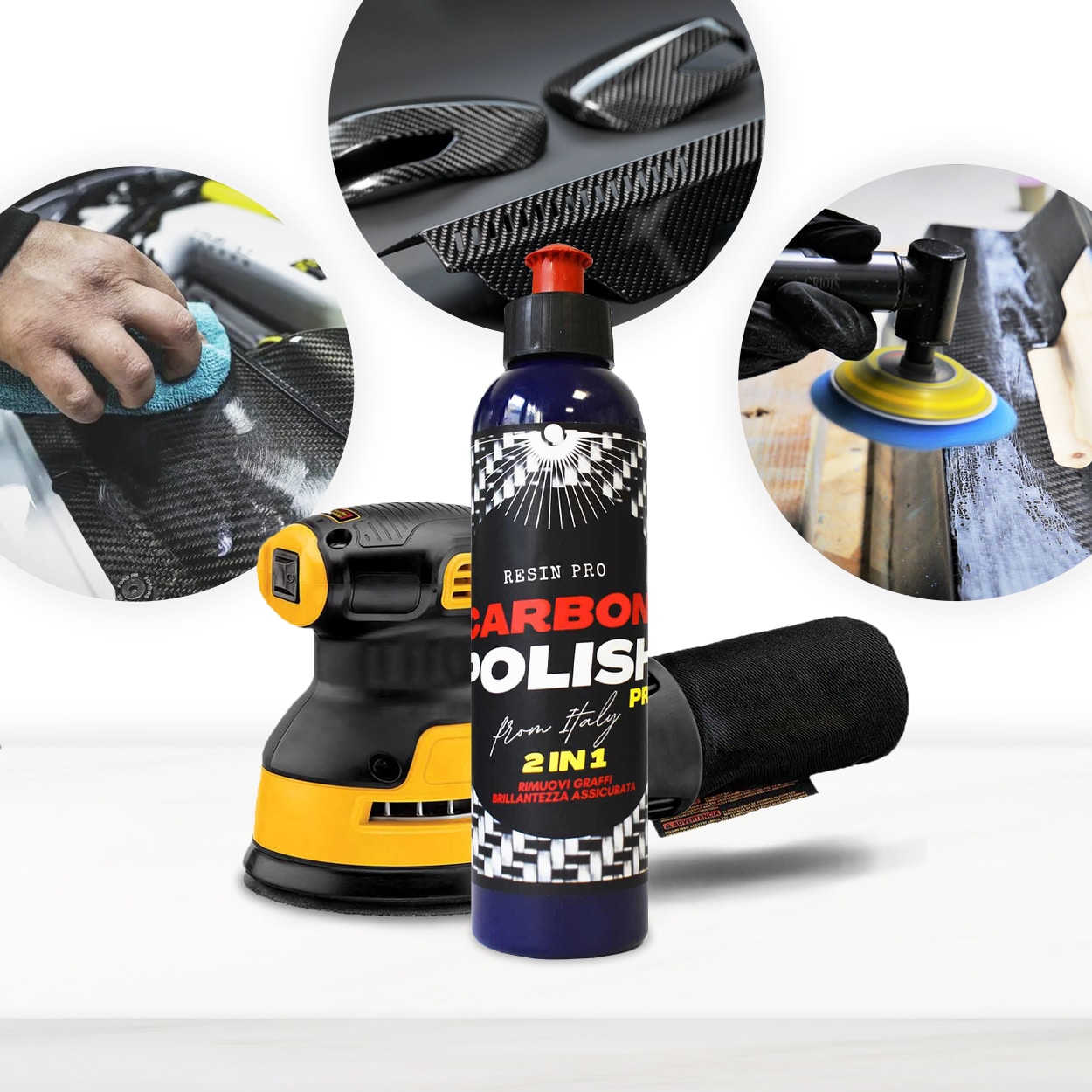 "Carbon Polish" – Polishing System for Dark and Black Surfaces, 250mlPrice range: £18.95 through £47.45"Carbon Polish" is designed for polishing carbon and dark surfaces, commonly used on epoxy resin projects for a refined finish.
 1200W Polisher for Sanding and Buffing – Variable Speed, D-Handle£90.45The 1200W Polisher provides variable speed and control, suitable for sanding and polishing epoxy resin surfaces.
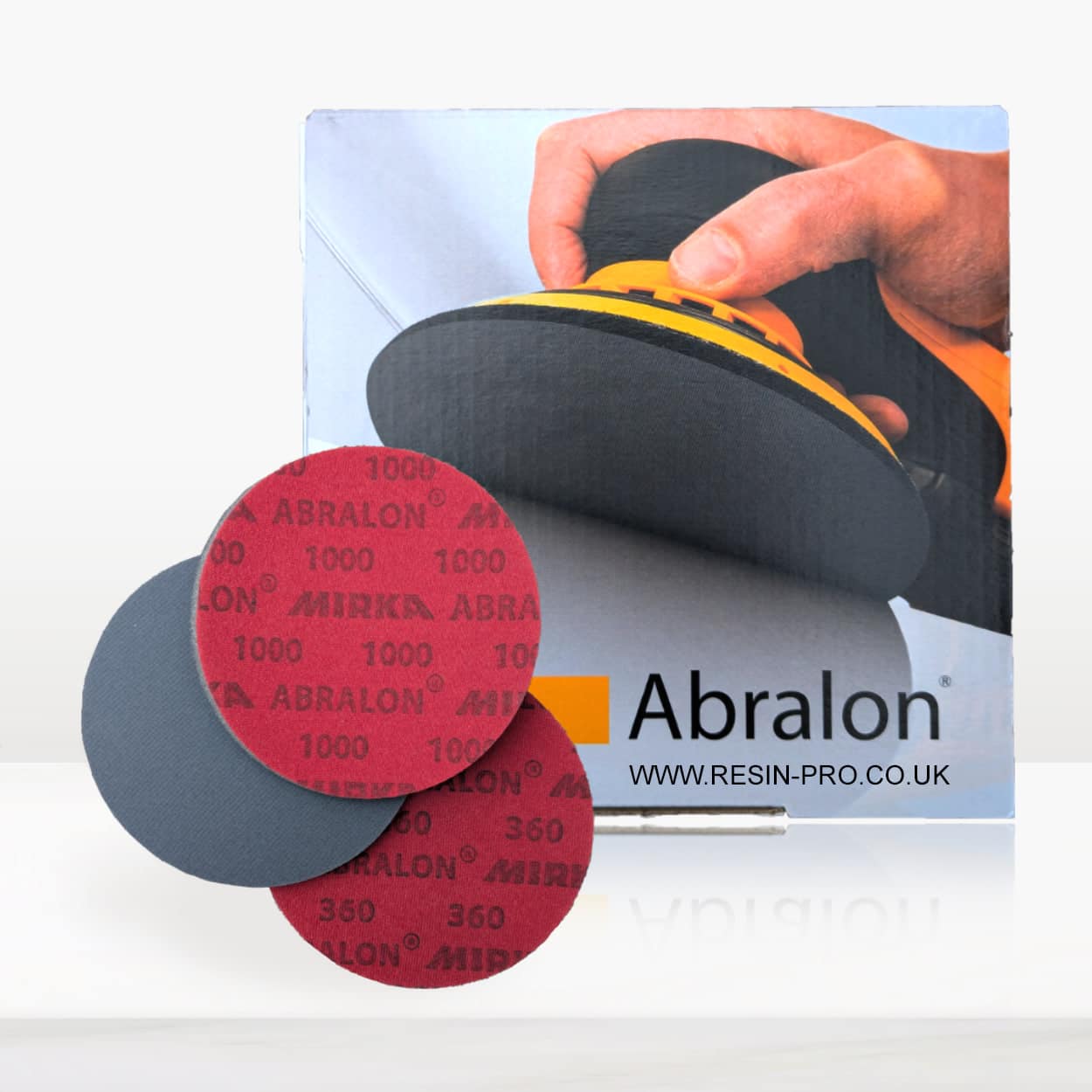 "Ebonite Abralon" – Sanding Pads 360-4000 Grit for Resin and Wood£4.15Ebonite Abralon Sanding Pads are designed for polishing resin and wood surfaces with grits ranging from 360 to 4000, suitable for precise finishing.
Frequently Asked Questions
Can you polish marble and resin composites safely?
Yes, when using products and techniques suitable for both materials, polished surfaces can be achieved safely and effectively.
Do you need a special polish for resin-marble surfaces?
Polishes formulated for epoxy resin, like Epoxy Polish and Carbon Polish, provide the best results on mixed material surfaces.
Which grit sanding pad should I use for marble-resin?
Begin with coarser grits (360–800) to remove defects, and finish with finer grits up to 4000 for pre-polishing before applying cream polish.
Should you polish marble-resin by hand or with a machine?
Machine polishing is preferred for even and efficient results, but hand polishing is possible for small or delicate areas using suitable pads.
Do dark surfaces need special polish to avoid white marks?
Yes, using a dark-surface formula such as Carbon Polish will prevent whitening and leave a high-gloss, residue-free finish.
Can Ebonite Abralon Pads be used wet or dry on composites?
Yes, the pads are designed for wet or dry use and ensure controlled sanding on both epoxy resin and marble sections.
Why is it important to follow polishing instructions closely?
Precise technique avoids damage, ensures a consistent shine, and prolongs the life of both the surface and polishing materials.
Can polishing restore gloss to worn marble-resin tables?
Absolutely. With the right sanding and polishing products, dull or scratched composite surfaces can be revived to a mirror finish.