 Free shipping on orders over £29,85
  Shipping Tracking!


 Google
 Facebook
← Back to Which is better for outdoor use: epoxy or cementitious filler?
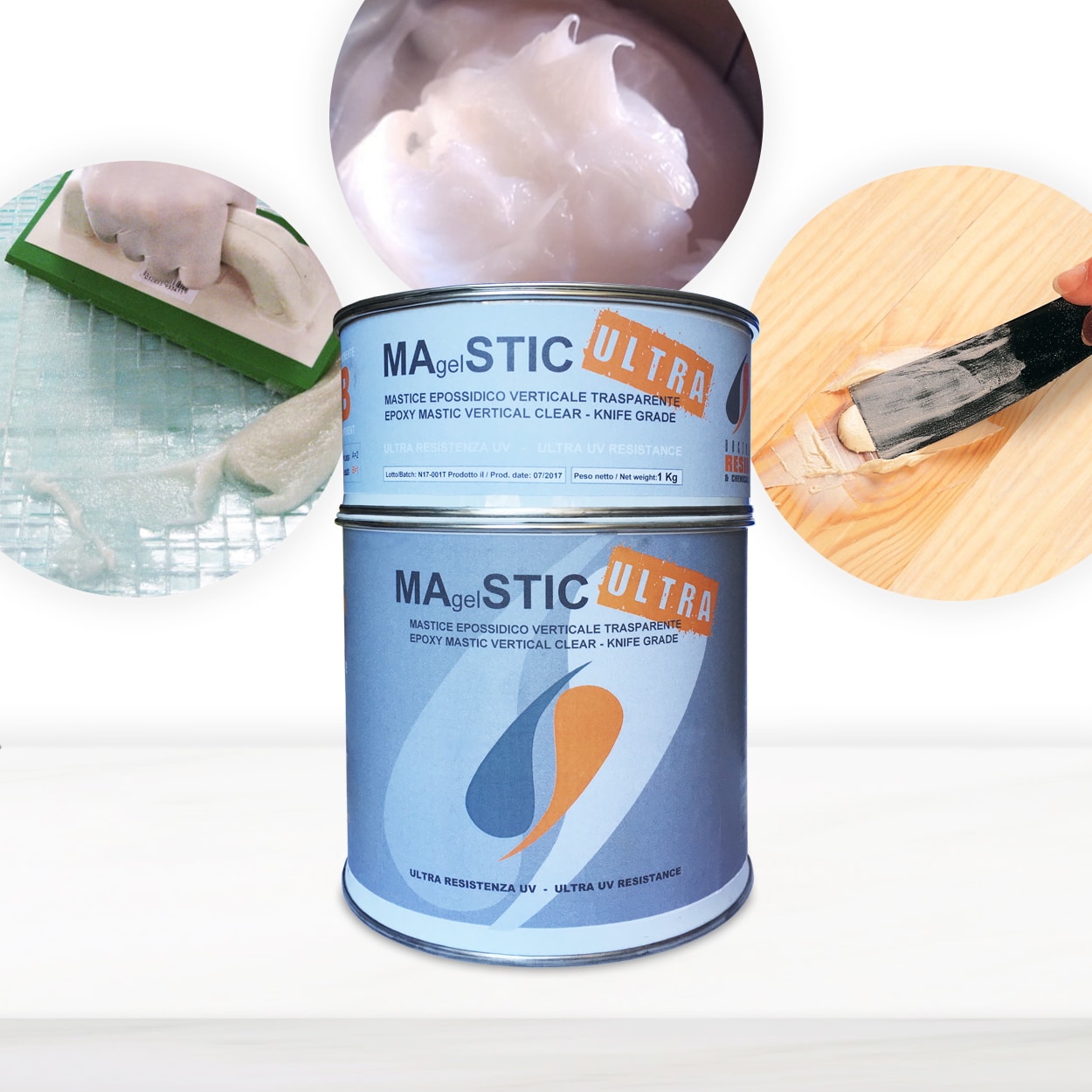
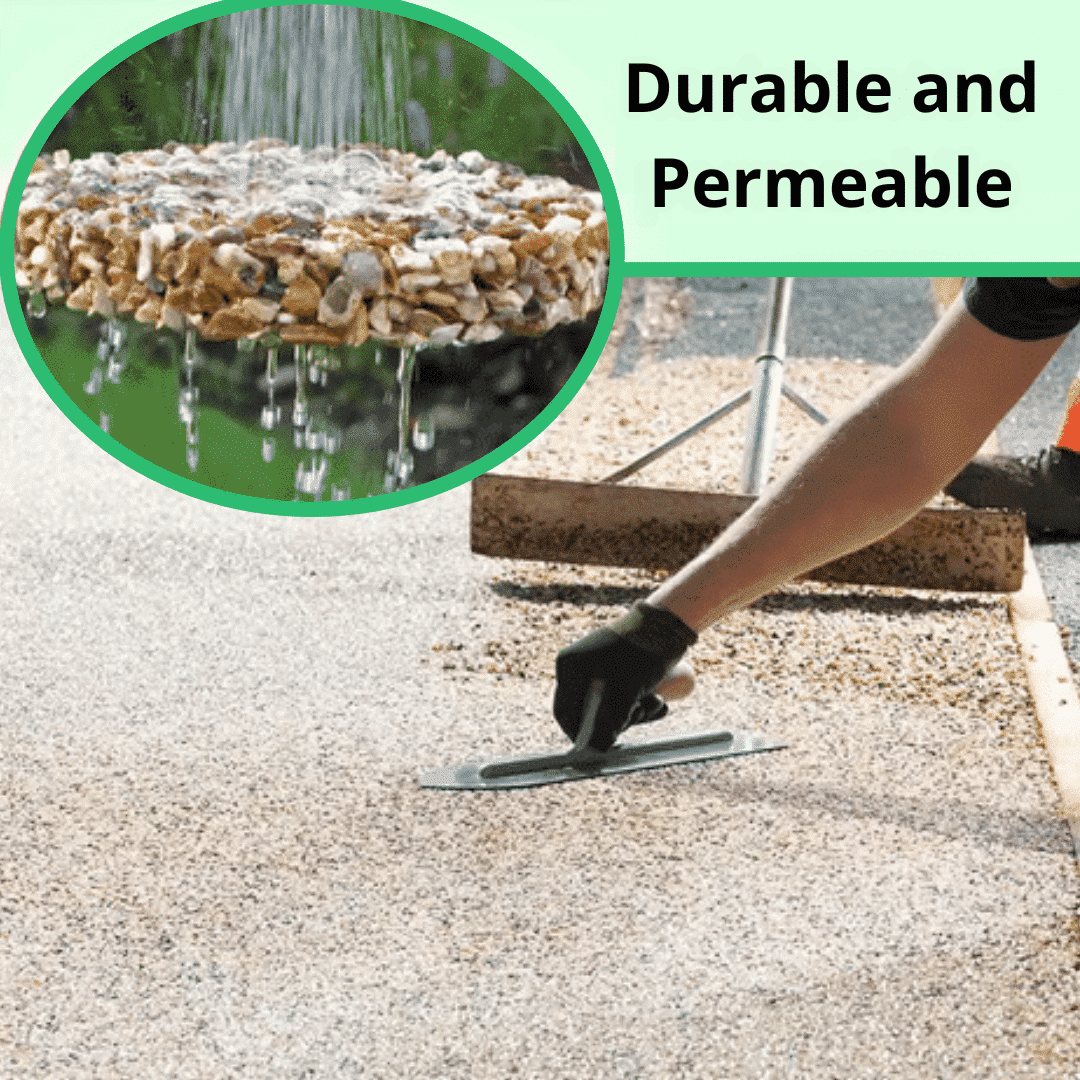
Epoxy fillers have become a reliable solution for a wide range of outdoor repairs in the UK, favoured for their strong adhesion and proven ability to stand up to the challenges presented by British weather.
Why Choose Epoxy Fillers for Exterior Repairs?
Epoxy fillers formulated for outdoor use are designed to bond firmly to materials such as stone, metal, and concrete. Their weather resistance makes them an excellent choice for surfaces exposed to rain, temperature changes, and the damp conditions common across the UK. Epoxy’s chemical and mechanical stability ensures repairs remain durable and crack-resistant for the long term.
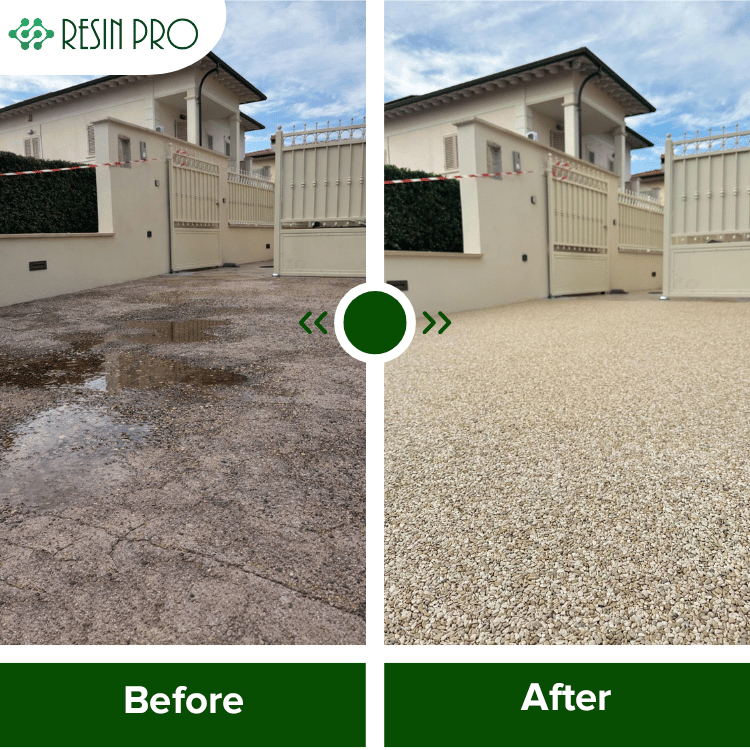
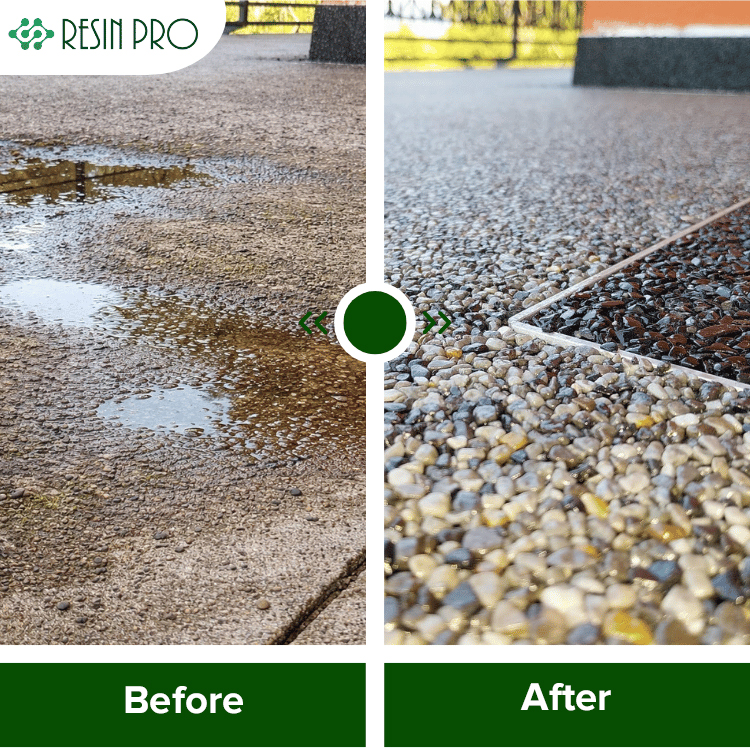
Tips for Selecting and Applying Outdoor Epoxy Fillers
- Check suitability: Opt for epoxy fillers clearly labelled for exterior use with weather and UV resistance. Magelstick Epoxy Mastic is purpose-built for outdoor bonding and grouting tasks.
- Surface preparation: Clean and dry surfaces thoroughly, removing any dust, grease, or loose debris to maximise adhesion.
- Application conditions: Observe temperature recommendations, typically above 10°C, and avoid application during heavy rain or extreme humidity to promote proper curing.
When It Matters Most
Outdoor repairs such as reinstating stone steps, sealing cracks in concrete, or bonding metal fixtures require tough, lasting solutions. In such cases, using a dedicated epoxy filler can make the difference between a quick fix and a truly enduring repair—especially when UK weather is a factor.
Related products
Related guides
Choosing the right epoxy filler for outdoor repairs helps ensure resilient, long-lasting results in the British climate. For more in-depth guidance comparing epoxy with other exterior repair options, return to our parent guide on outdoor use of epoxy versus cementitious fillers.