 Free shipping on orders over £29,85
  Shipping Tracking!


 Google
 Facebook
← Back to Where can plant resin be extracted?
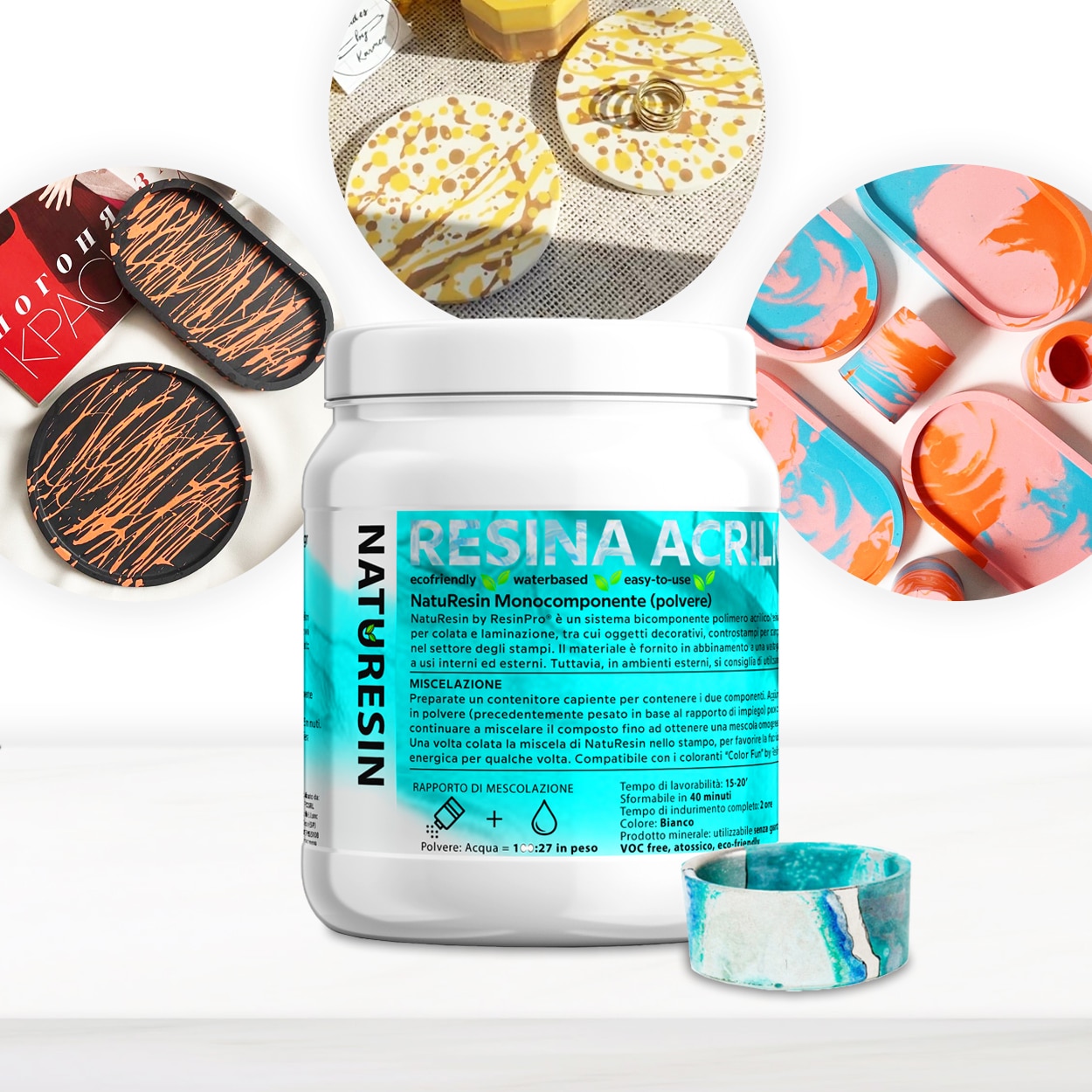
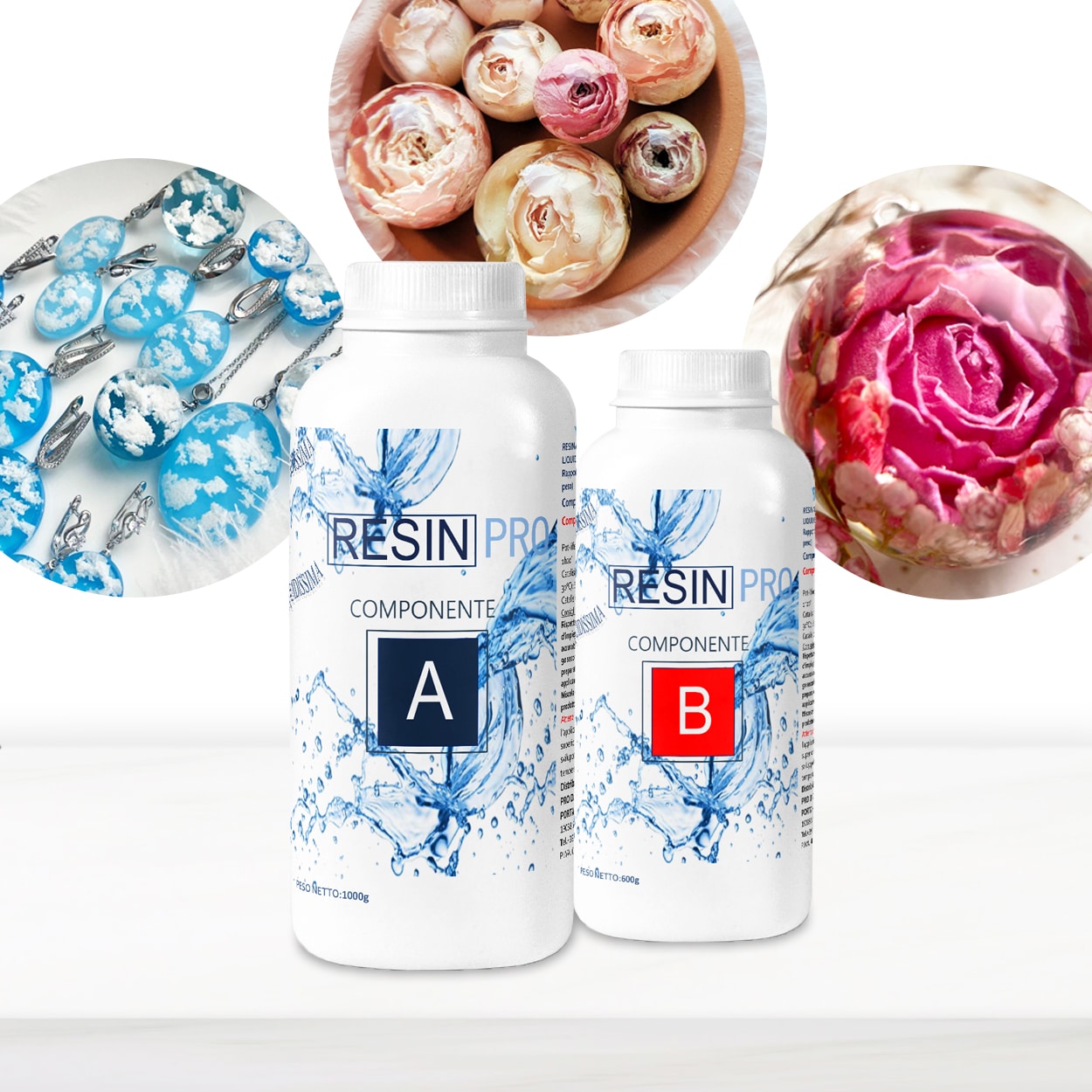
Synthetic resins, including certain epoxies and mineral-based options, can be excellent choices for outdoor projects. Selecting the right type ensures your creations stand up to the elements for years to come.
Types of Synthetic Resin for Outdoor Use
Both mineral resins and specialised epoxy formulations are available for weather-exposed applications. For example, mineral resins such as NatuResin combine convenient water activation with a durable ceramic-like finish suitable for gardens and patios.
Epoxy resins formulated for outdoor objects often include integrated UV filters and enhanced durability, helping to prevent yellowing and surface wear due to sunlight and moisture.
Practical Guidance: Creating Long-Lasting Outdoor Pieces
- Surface Preparation: Ensure moulds and surfaces are clean and dry before pouring resin.
- Layer Thickness: Mind manufacturer recommendations—some epoxies, such as “Epoxytable 10-Ten,” can be cast up to 10cm for thick décor pieces, while others like “Trasparente” are ideal for layers up to 2cm.
- Finishing Touches: Consider applying a clear, waterproof sealant for added longevity, particularly in harsh climates.
Always mix resin components accurately and allow for full curing under suitable conditions to achieve optimal strength and clarity.
When This Matters
Choosing an appropriate synthetic resin really matters when crafting outdoor furniture, garden ornaments, water features, or any project exposed to frequent weather changes. For those seeking a safe, user-friendly option with outdoor potential, mineral resins like NatuResin are particularly well-suited.
Related products
Related guides
Exploring the suitability of synthetic resins outdoors opens up creative avenues for both hobbyists and professionals. If you want to learn more about resin origins and natural extraction, visit our guide on where plant resin can be extracted.