 Free shipping on orders over £29,85
  Shipping Tracking!


 Google
 Facebook
← Back to How to Tell Resin from Ivory?
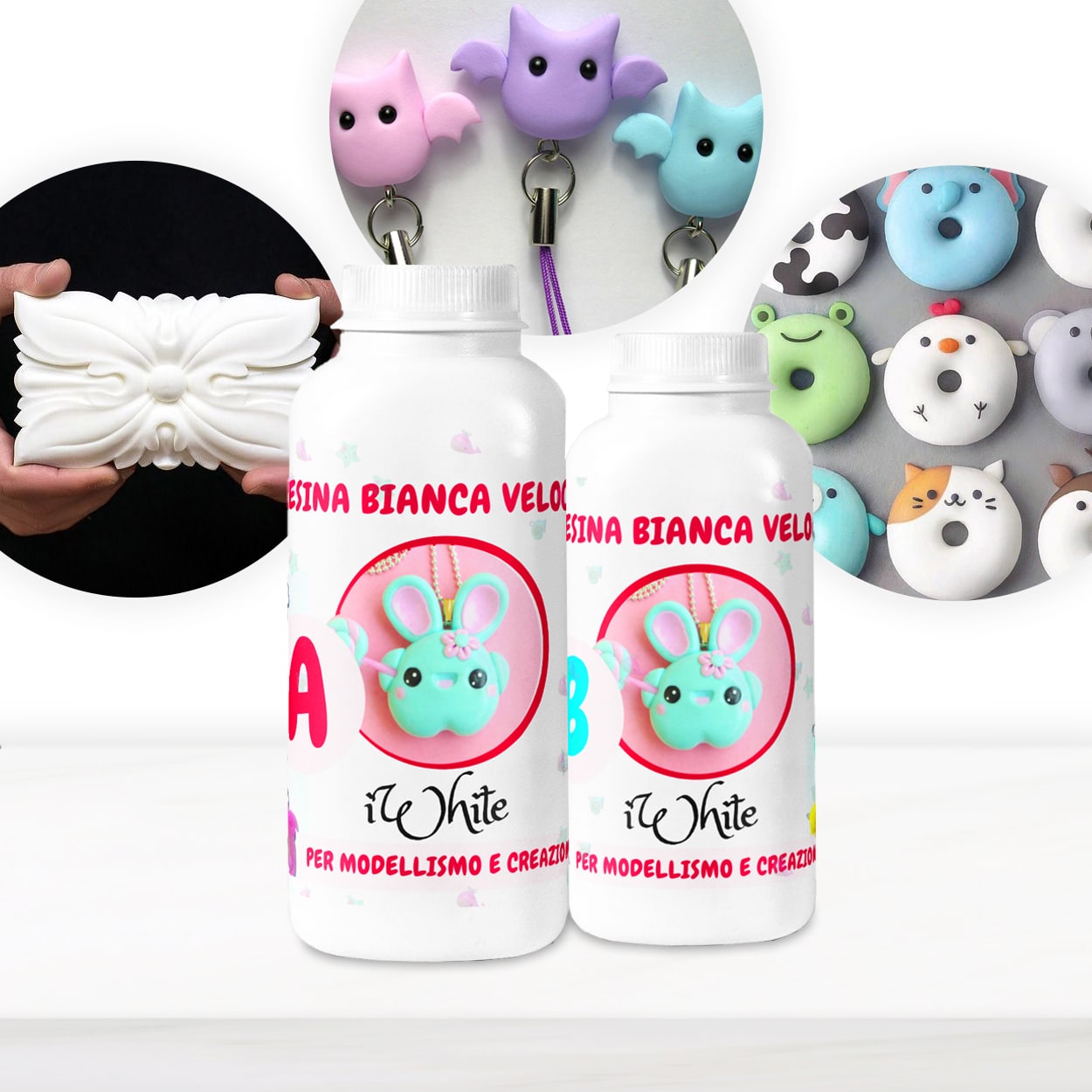
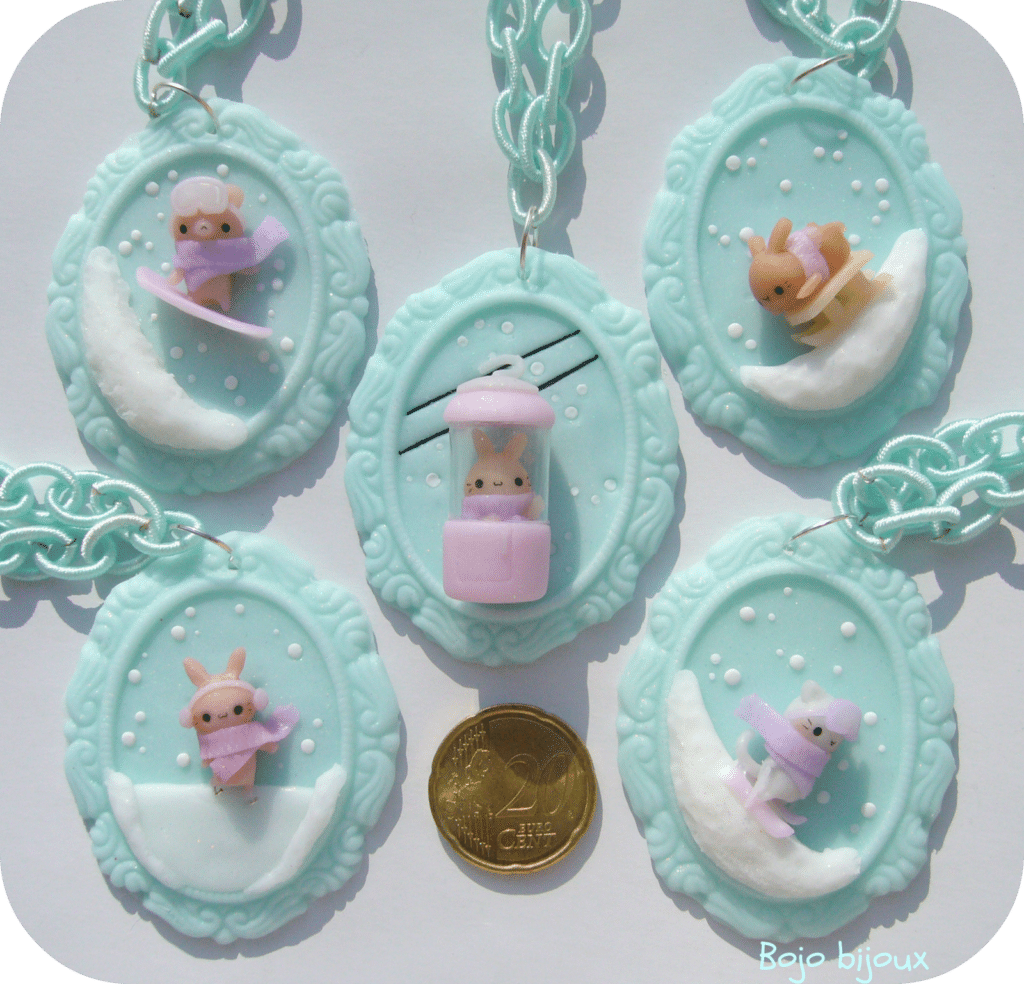
Epoxy resin casts can be made to closely resemble the look of ivory, replicating its creamy white hues and fine finish. But can high-quality resin really fool even seasoned experts? Here, we demystify how professionals tell the difference, and what it means for resin crafters.
How Resin Mimics Ivory
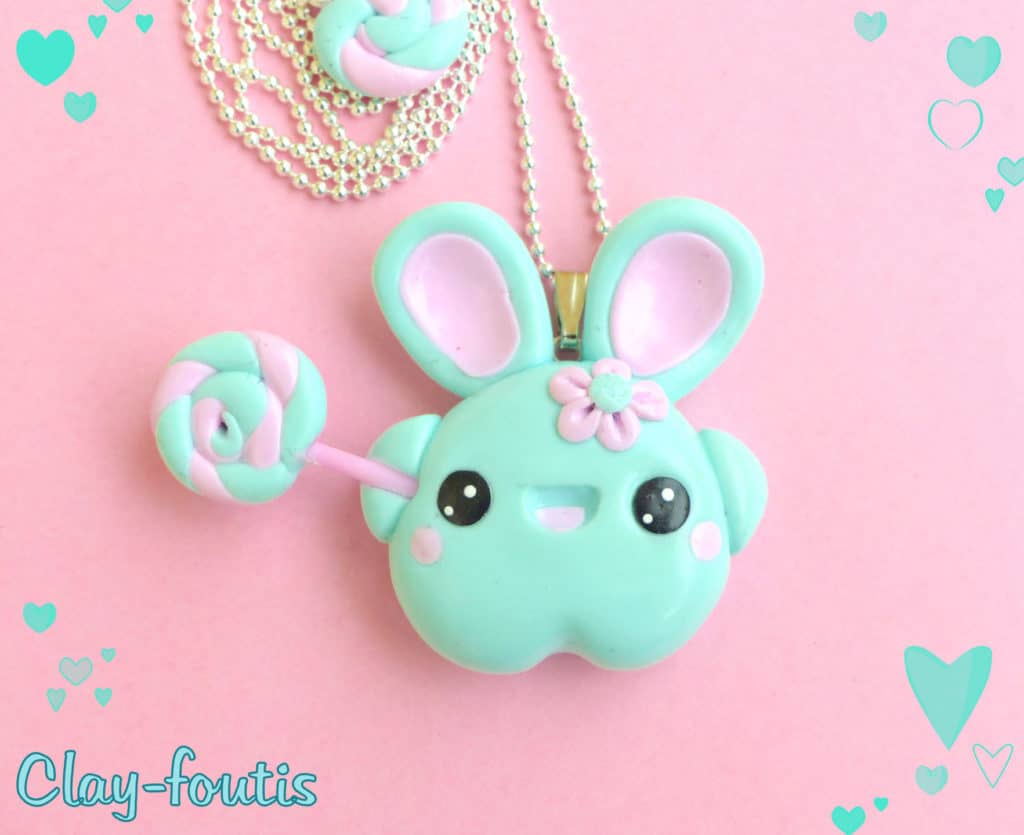
Modern epoxy and polyurethane resins can capture incredible detail. Artists and makers often choose products like the “IWhite” Polyurethane Casting Resin for its ability to create crisp, clean casts with precise definition. With careful colouring or painting, these casts can mirror the tones of ivory, making them visually similar to the untrained eye. Resin’s smooth surface and ability to take on subtle tints give makers a good degree of control over the final appearance.

Tests Experts Use to Tell Them Apart
While high-quality resin can look convincingly like ivory, professionals rely on a set of techniques to identify genuine ivory. Visual inspection is key: experts look for tell-tale grain patterns such as Schreger lines, unique to ivory, which can’t be authentically replicated with resin. Touch and weight also provide clues; resin typically feels lighter and warmer than natural ivory. In addition, UV light tests often reveal differences, as ivory can fluoresce differently to synthetic materials.
When This Matters
The ability to distinguish resin from ivory is essential for those involved in antiques, conservation, and legal trade. For crafters and collectors, it’s a reassurance that quality imitations do not cross ethical boundaries or fall foul of regulations surrounding the use and sale of ivory.
Related products
Related guides
While skilled resin imitation can appear convincing, experts can usually spot the difference using a range of tests. If you’re curious about resin’s role in ethical artistry or the details of resin and ivory comparison, see our main guide on how to tell resin from ivory.