 Free shipping on orders over £29,85
  Shipping Tracking!


 Google
 Facebook
Can existing permeable flooring be resurfaced?
Resurfacing advice and resin solutions for lasting, efficient drainage

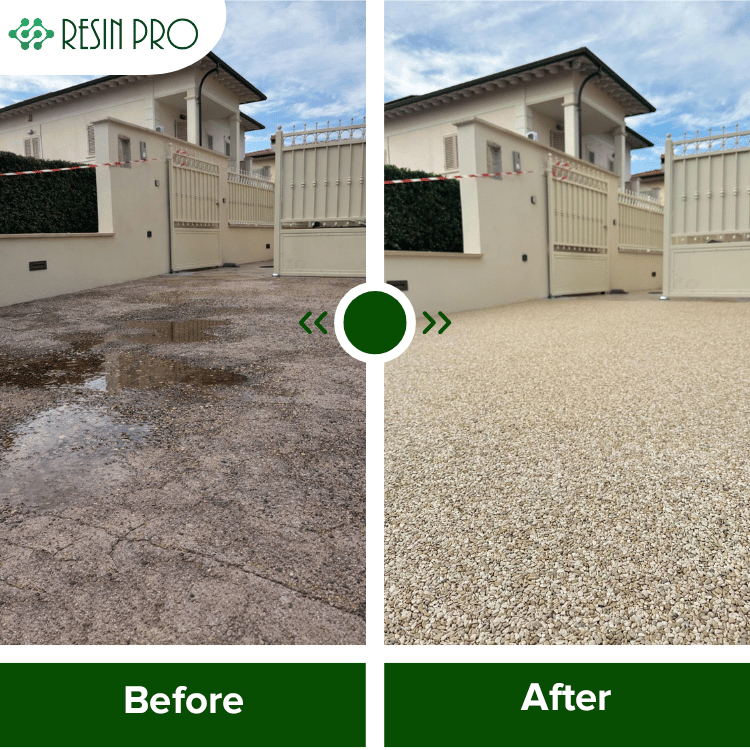
Upgrading and maintaining permeable flooring is key to preserving water drainage, safety and visual appeal for outdoor areas in the UK. Whether your driveway, path or patio is showing signs of wear or you need to improve drainage performance, it’s natural to ask if your existing permeable installation can be effectively resurfaced. The answer is yes—with the right materials and approach, most permeable flooring systems can be restored or enhanced to deliver continued durability and attractive results.
This page explores your best resurfacing options, practical considerations, and which modern resin-bound and sealed solutions will help you achieve a long-lasting, permeable finish on existing outdoor surfaces. We compare proven products such as the “Flowstone” – Complete Permeable Floor Kit with Pebbles and Resin, the versatile “Resinstone” – One-Component Methacrylic Resin for Concrete Floors and Driveways, and Washed Pebbles for Permeable Floors 25kg – Outdoor Resin-Bound Surfaces for your next resurfacing project.
Permeable Resurfacing: How Modern Resin Solutions Work
Resurfacing existing permeable flooring is about more than just aesthetics—it’s about protecting surface function, ensuring safety, and extending the usable life of your installation. The ideal products are those that revitalise drainage capacity while adding new strength and low-maintenance performance. Modern resin systems offer solutions for both aggregate-bound and concrete-based outdoor floors. Let’s compare the leading options:
- Permeable solution: Kits like the “Flowstone” – Complete Permeable Floor Kit with Pebbles and Resin allow you to upgrade patios, paths, or driveways with a durable and fully draining pebble-resin layer on top of your existing base. This system is designed for British weather and features non-yellowing polyurethane and low-yellowing epoxy resins, depending on pebble colour.
- Cost-effective renewal: The Flowstone kit includes everything needed for resurfacing, allowing for easy restoration of permeable flooring without full replacement.
- For sealed concrete floors or driveways, “Resinstone” – One-Component Methacrylic Resin for Concrete Floors and Driveways penetrates deeply, providing a Waterproof yet breathable protection that locks out moisture and resists chemicals, weathering, and UV rays.
- Quick drying and durable protection: “Resinstone” is ready for use in under 12 hours, ideal when you need minimal downtime.
- Enhance your surface appearance with Washed Pebbles for Permeable Floors 25kg – Outdoor Resin-Bound Surfaces, featuring natural, pre-washed pebbles ideal for custom designs, immediate use, and reliable Excellent Drainage.
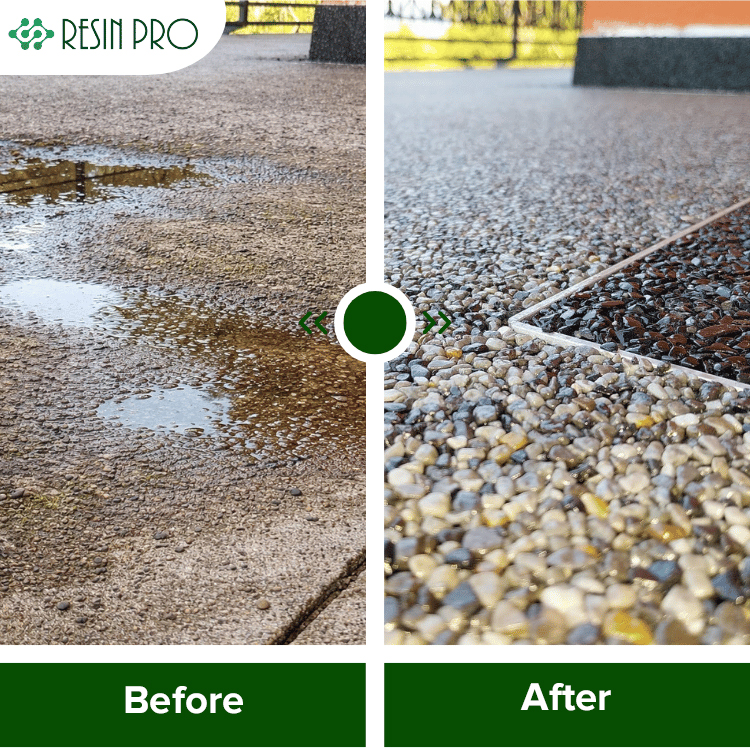
Visual Comparison of Permeable Resurfacing Methods
Explore how various resin systems renew the function and appearance of existing permeable floors. See real project outcomes achieved using the Flowstone Complete Permeable Floor Kit, transparent resin sealants, and our range of natural washed pebbles for a refreshed, low-maintenance result.
Choosing the Right Approach for Your Existing Permeable Surface
The correct resurfacing method depends on your current surface structure and end goals. If your base is structurally sound—be it a previous resin-bound, permeable concrete, or well-compacted substratum—surface renewal can often be completed by cleaning, minor repair, and the addition of a new resin-bound layer.
The “Flowstone” Complete Permeable Floor Kit with Pebbles and Resin is well suited to this type of application, as it provides clear guidance tailored to UK weather and delivers reliable drainage that reduces puddling. This kit can be used atop existing permeable flooring, offering a Customisable finish with your choice of pebble colour and size for renewed visual appeal.
If your surface is concrete-based and you’re simply seeking to revive and protect, “Resinstone” – One-Component Methacrylic Resin offers Durable protection while remaining breathable—so you don’t trap moisture underneath. It’s a versatile, low-effort approach suitable for both contractors and DIYers.
To achieve unique patterns or enhance drainage, Washed Pebbles for Permeable Floors 25kg can be blended with resins and other aggregates such as marble or granite, delivering eco-friendly, attractive, and functional results.
Best Practice: The Steps to Successful Resurfacing
To ensure lasting performance from your resurfaced permeable floor, a structured approach is essential. Start with careful cleaning and, where necessary, mild repairs, resolving any structural defects. Next, prime as needed, particularly on absorbent concrete, to guarantee good adhesion of the resin or binder.
Application can then proceed following the manufacturer’s guidelines. With options like “Flowstone” – Complete Permeable Floor Kit with Pebbles and Resin, detailed instructions are provided to make the process simple—even for those new to resin-bound resurfacing. Similarly, “Resinstone”’s pour-over method for concrete is straightforward and can cover both small and large areas efficiently. Remember, the best results occur in suitable weather—aim for moderate temperatures and avoid high humidity or rainfall when applying your chosen system.
Once set, surfaces can be light-foot traffic ready in around 12 hours, and vehicle-ready in 36 to 48 hours, depending on the solution used. This rapid turnaround reduces inconvenience and helps get your outdoor spaces back in use quickly, making these products especially practical for British climates where time windows for exterior improvement can be short.
Design Inspiration: Custom Pebble and Resin Solutions
Create bespoke outdoor flooring with our selection of resin binders and washed pebbles. Mix and match colours or combine different aggregates for innovative permeable surfaces that stand out and perform in any British garden or driveway.
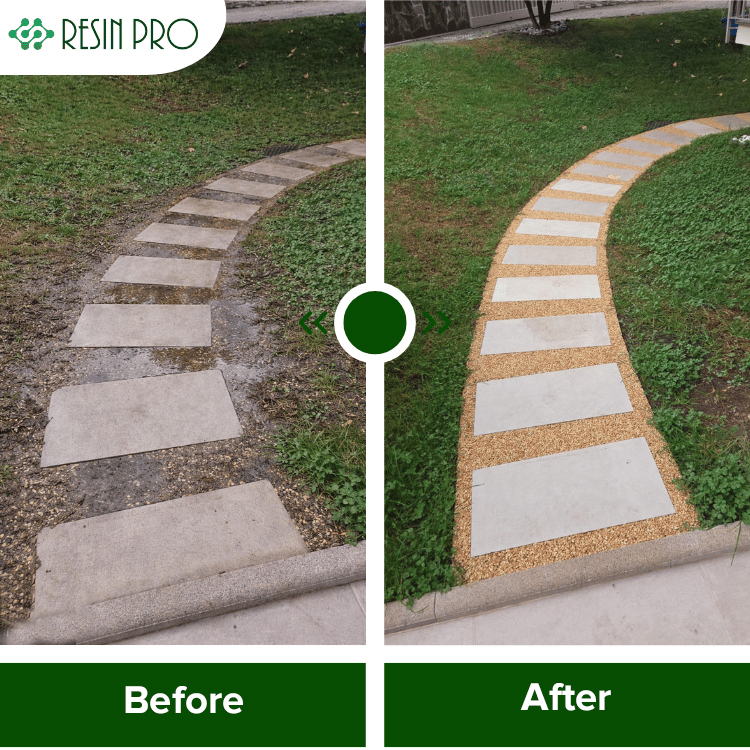
Products for Permeable Flooring Renewal: What to Use and Why
If you’re deciding on the right product for your flooring condition, consider the strengths of each:
- “Flowstone” – Complete Permeable Floor Kit with Pebbles and Resin: The ultimate solution for renewing a permeable, stone-bound finish with step-by-step application for all skill levels.
- “Resinstone” – One-Component Methacrylic Resin for Concrete Floors and Driveways: Specially designed for robust sealing and protection of concrete-based surfaces where a clear or semi-transparent finish is desirable.
- Washed Pebbles for Permeable Floors 25kg: Natural, uniform aggregates to ensure both optimal drainage and an attractive, eco-friendly finish, suitable for use with resin binders in bespoke surface designs.
Visit our Pebble Floors section for a full range of compatible systems and to discover more ways to enhance your outdoor areas. For sealing concrete, our Multipurpose Epoxy Resins collection provides even greater flexibility for demanding projects.
- "Flowstone" – Complete Permeable Floor Kit with Pebbles and ResinPrice range: £42.85 through £3,389.85The Flowstone kit offers a durable draining pebble and resin system suitable for outdoor surfaces with step-by-step guidance for application.
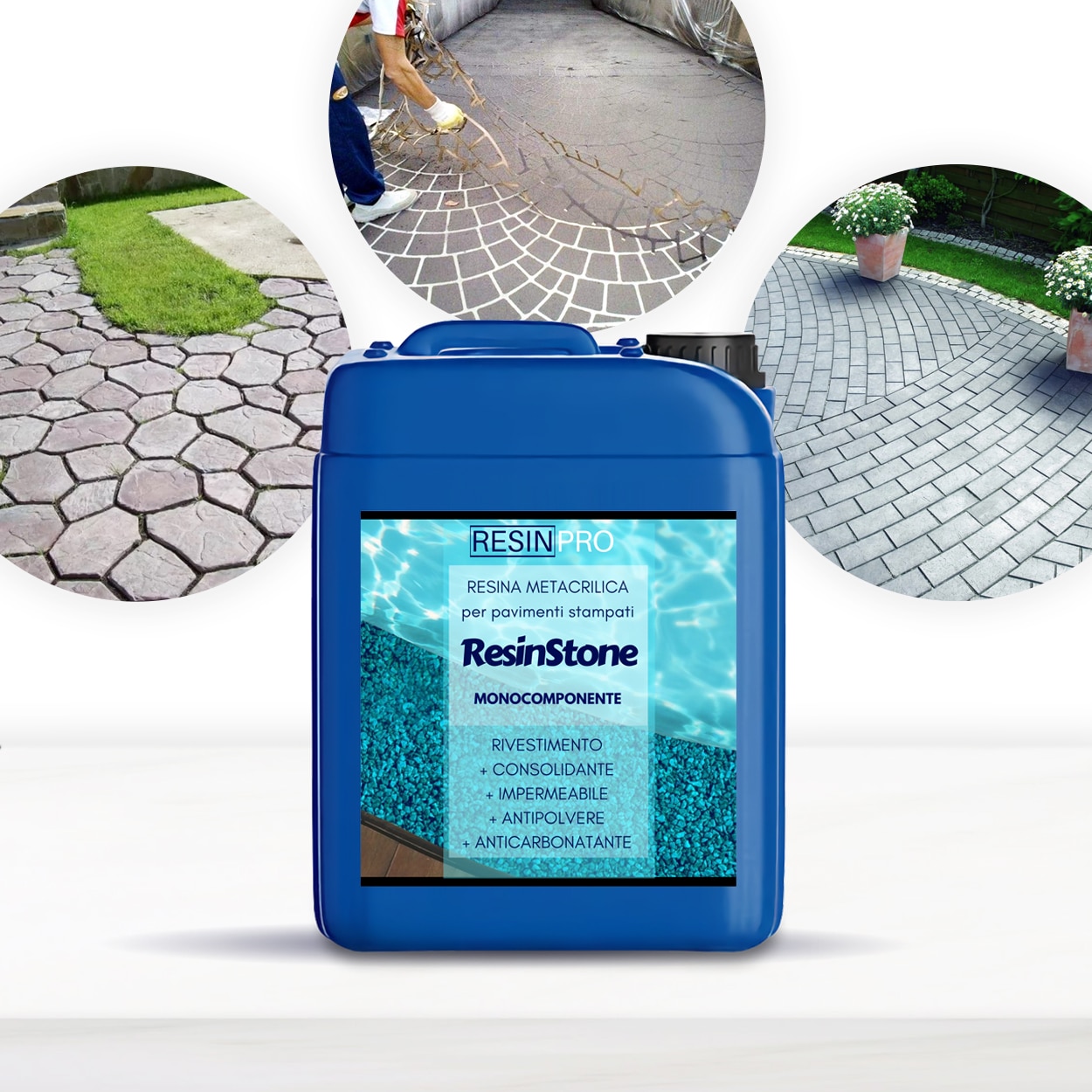 "Resinstone" – One-Component Methacrylic Resin for Concrete Floors and DrivewaysPrice range: £29.85 through £59.85"Resinstone" is a one-component methacrylic resin designed for sealing and protecting concrete floors with durable, breathable, and quick-drying…
 Washed Pebbles for Permeable Floors 25kg – Outdoor Resin-Bound Surfaces£26.85Washed Pebbles for Permeable Floors 25kg provide pre-washed stone aggregates suitable for use with resin binder on outdoor permeable surfaces.
Frequently Asked Questions
What is a permeable floor and why is it important?
A permeable floor is a surface designed to allow rainwater to pass through, preventing puddles and flooding. Made from granules and resin, it enables optimal water dispersion and reduces surface runoff, which is increasingly vital in the UK’s wet climate.Maintaining permeability ensures continued drainage, slip-resistance, and environmental benefits for driveways, paths and patios.
Can I simply resurface my existing permeable flooring, or does it need replacing?
Most old but structurally sound permeable floors—such as previous resin-bound, porous concrete, or stabilised stone—can be effectively resurfaced using a new resin-pebble layer or a compatible resin sealant. Products like "Flowstone" or "Resinstone" are designed for such upgrades.Do ensure the base is stable and properly prepared before resurfacing for best results.
How long does resin resurfacing take before the area is usable again?
Application times vary, but most systems such as Flowstone or Resinstone allow light foot traffic in about 12 hours and are vehicle-ready in 36–48 hours, assuming suitable weather (above 20°C, low humidity).Larger projects progress faster with more applicators, but always follow product guidelines for curing before use.
What maintenance does a resurfaced permeable driveway or path require?
These surfaces require little upkeep. Occasional sweeping and rinsing are usually sufficient to maintain water permeability and visual appeal.Resin-bound and resin-sealed surfaces naturally resist weeds, oil and common stains, further reducing maintenance needs.
Can I apply these products myself, or do I need a professional?
DIY application is possible for most ResinPro permeable floor products. The Flowstone kit includes detailed, step-by-step guidance, making it suitable for users of all skill levels.For large areas, a cement mixer may make mixing easier, but no specialised skills are needed.
What are the benefits of using washed pebbles and resin for outdoor surfaces?
Washed pebbles provide consistent drainage, eco-friendly appeal, and visual versatility. When combined with resin, they create a strong, long-lasting surface with anti-slip characteristics.Custom blends with marble or granite are possible for a unique result.
What are the weather limitations for applying resin permeable systems?
Resin application requires moderate temperatures and low humidity for optimal adhesion and curing. Avoid installing in very cold, hot, or wet conditions.Plan your resurfacing for stable, fair-weather periods for the best finish.
Is resurfacing with resin-bound or resin-sealed methods suitable for all permeable surfaces?
These systems work best on stable, solid bases—such as existing resin-bound, concrete, or well-compacted gravel. Loose surfaces may require additional preparation.Not all sealants are suitable as direct binders for loose gravel; refer to product specifications for guidance.