 Free shipping on orders over £29,85
  Shipping Tracking!


 Google
 Facebook
← Back to how to apply resin to wood
Restoring old or damaged wood with resin is a practical way to extend its life and improve its appearance. Proper preparation lets you achieve a lasting and durable result, even on surfaces that seem beyond repair.
Sealing and Reinforcing Damaged Wood
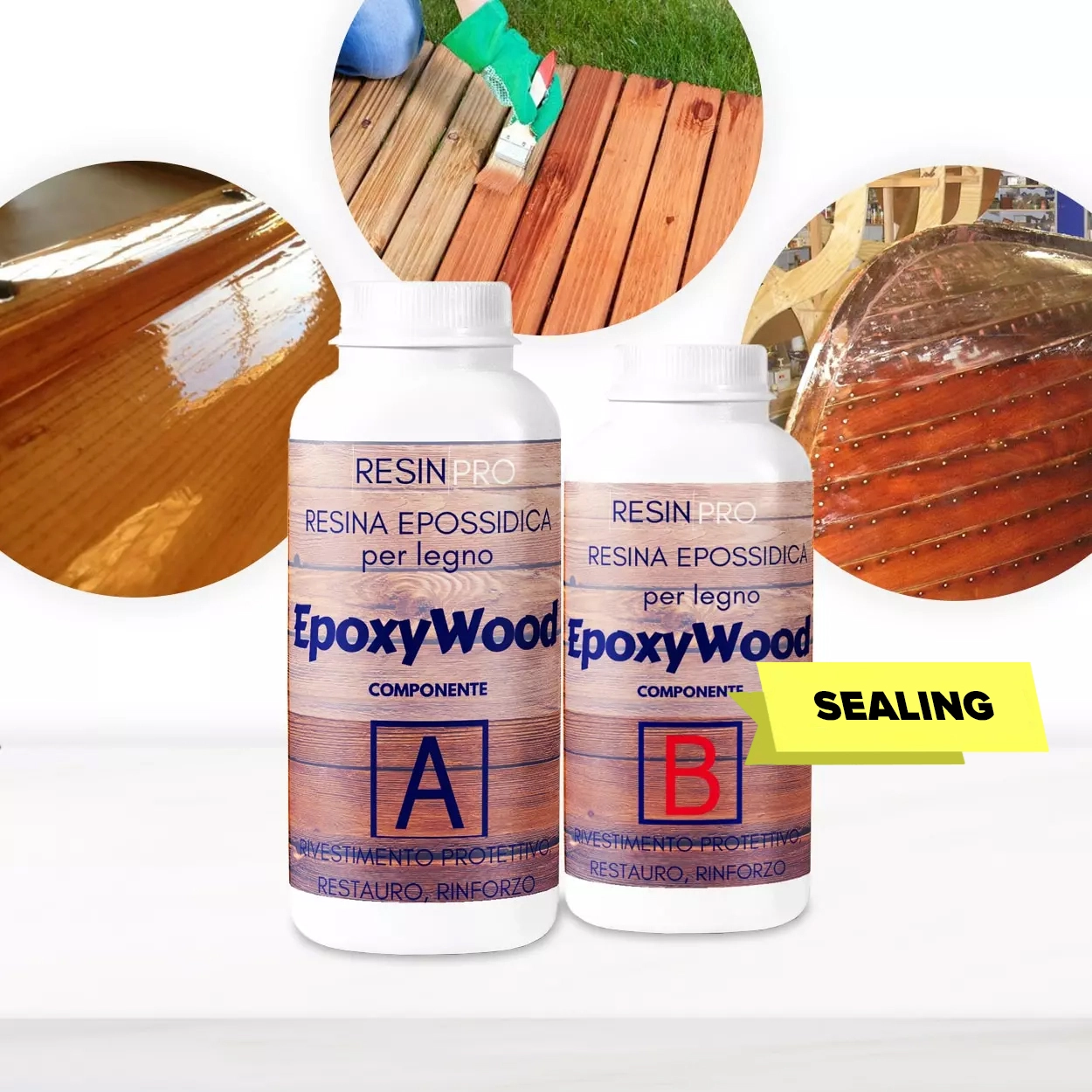
Before adding resin to old or damaged wood, it’s essential to address any structural concerns. Weak or dry timber can absorb resin unevenly, leading to poor adhesion. Use a deep-penetrating epoxy such as EpoxyWood to seal and strengthen the wood fibres. This product is designed to soak into porous and weathered wood, reinforcing the material from within and helping restore its integrity. Allow the consolidating resin to cure fully, creating a solid base for further resin work.
Surface Preparation for Best Results
Thorough surface preparation ensures your finish will last. Start by removing any loose fragments, dust or rot. Sand the area to create a clean, even surface and ensure total dryness before applying your chosen resin. Moisture in or under the wood may interfere with bonding. Once the surface is sealed and dry, you can continue with decorative coatings or casting layers as required for your project.
When This Matters Most
Sealing and reinforcing damaged wood makes a real difference for restoration projects such as antique furniture, doors, or wooden outdoor features. Choosing the right epoxy for initial sealing ensures your efforts protect and preserve the wood over time.
Related products
Related guides
Taking the time to properly reinforce and prepare old or damaged wood before resin application leads to a strong, attractive finish. For more advice on resin and wood projects, explore our comprehensive how to apply resin to wood guide.