 Free shipping on orders over £29,85
  Shipping Tracking!


 Google
 Facebook
how to apply resin to wood
Applying resin to wood is an effective way to create durable, stunning surfaces—perfect for tables, worktops and decorative pieces. This step-by-step guide will show you how to achieve a professional, bubble-free finish. Whether you are refurbishing furniture or embarking on your first art project, following these tips will help you avoid common pitfalls and produce lasting results.
Step-by-step technique for a flawless wood resin finish
What You’ll Need
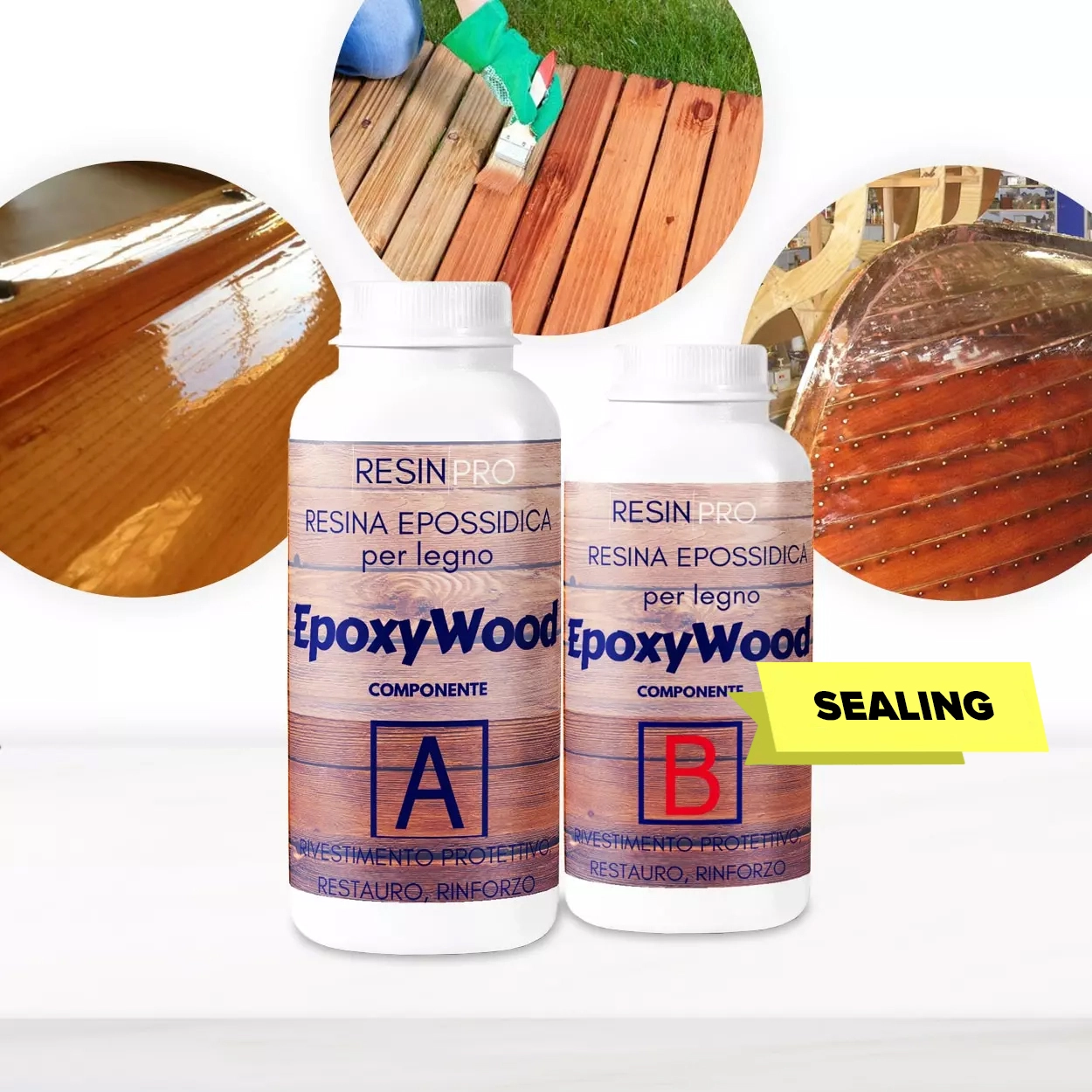
- “EpoxyWood” – Wood Restoration Epoxy Resin for Deep Penetration and Waterproofing: Deeply seals, penetrates and waterproofs wood.
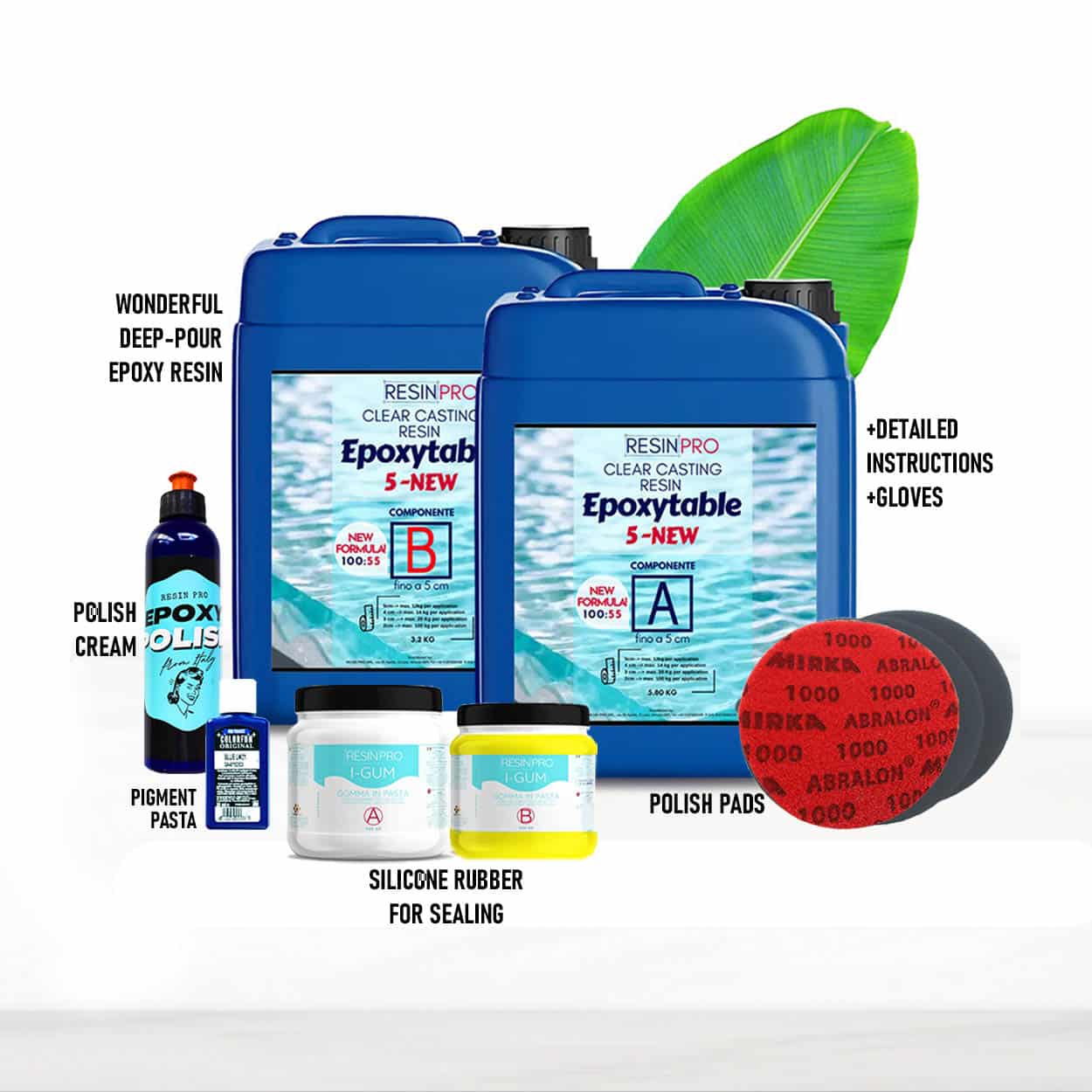
- “River-Table” – Complete Kit for Creating Your First Epoxy Resin Table: Ideal for river tables and beginners, includes resin, sealant and tools.
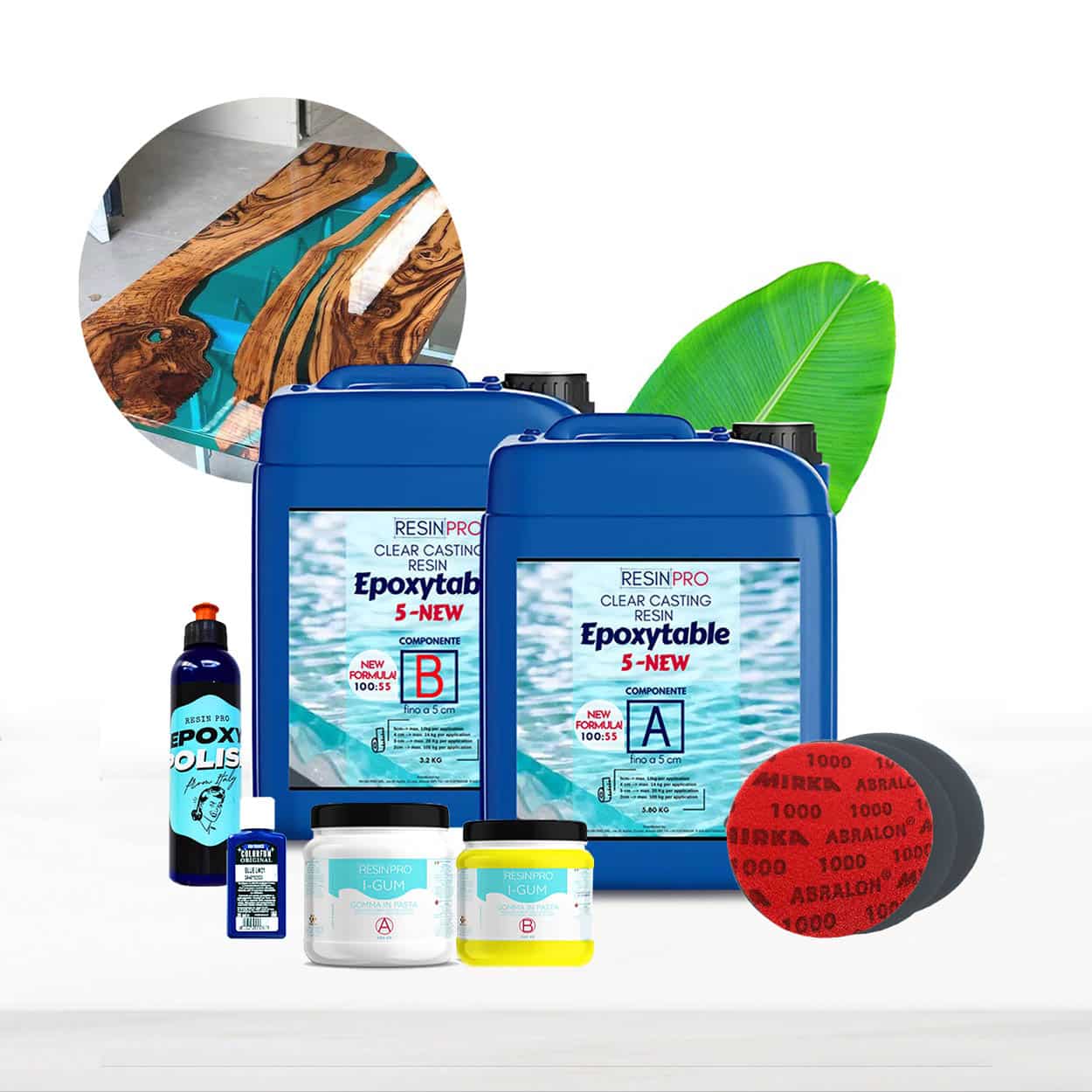
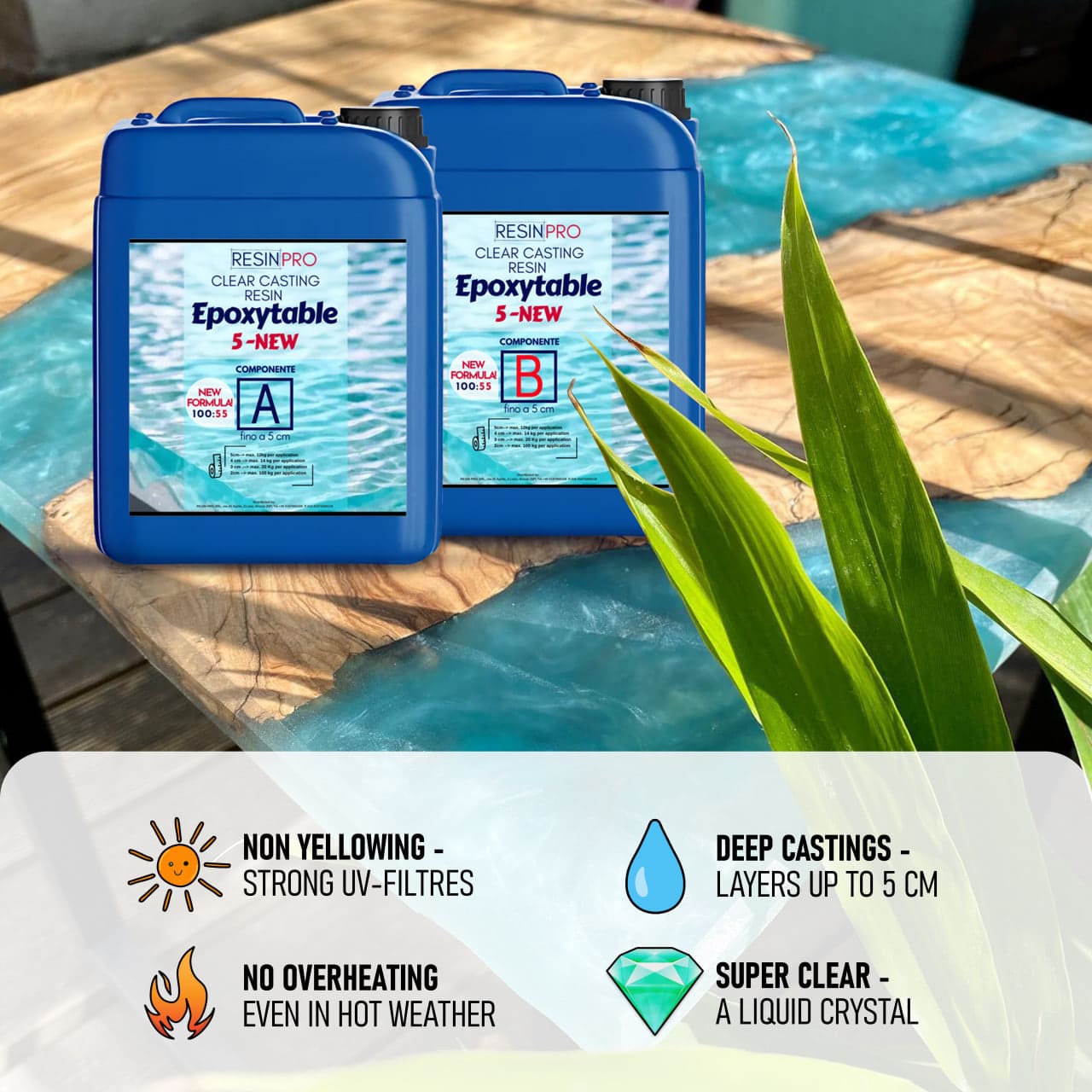
- “EpoxyTable 5-Five” – Deep Pour Epoxy Resin for Tables and Large Projects – Up to 5cm: Suitable for thick tabletops and deep pours.
- “Trasparente” – Multipurpose Clear Epoxy Resin for Casting – Up to 2cm: For crystal-clear coatings up to 2cm thick.
- Mixing sticks and measuring jug
- Protective gloves and dust mask
- Painter’s tape or barrier
- Spirit level
- Orbital sander and fine grit sandpaper
- Plastic sheet or drop cloth
Preparing Wood for Resin Application
Cleaning, sanding, and sealing the wood sets the foundation for a flawless resin finish. Removing dust and ensuring the material is dry leads to superior adhesion and clarity.

Step 1: Prepare and Seal the Wooden Surface
Ensure the wood is thoroughly dry and sanded before beginning. Excess moisture can cause resin to lift or yellow over time, and an unprepared surface will prevent good adhesion. Use a spirit level to check your workpiece is even, and sand the wood with fine grit (180–220) to create a smooth, keyable surface. Remove all dust with a vacuum or tack cloth, as any debris can become trapped under the resin layer.
Protect your work area using painter’s tape or a barrier around the edges, especially if you intend for the resin to form a crisp border. Placing a plastic sheet below your piece will keep drips and spills contained.
For deep restoration or making wood truly waterproof, consider using “EpoxyWood” – Wood Restoration Epoxy Resin for Deep Penetration and Waterproofing at this stage, as it is designed to reinforce and seal wood from within.
Step 2: Measure and Mix the Resin
Read and follow the instructions on your chosen resin carefully, as proportions and mixing techniques can vary. Wear gloves and a dust mask for protection. Mix your resin according to the instructions, ensuring both components are thoroughly blended. Mix slowly to minimise air bubbles, scraping the sides and base of the container regularly.
For general pours up to 2cm thickness and a glass-clear finish, “Trasparente” – Multipurpose Clear Epoxy Resin for Casting – Up to 2cm is a popular option. For pours up to 5cm, especially with large slabs or river tables, use “EpoxyTable 5-Five” – Deep Pour Epoxy Resin for Tables and Large Projects – Up to 5cm for minimal exotherm and clarity.
Step 3: Pour and Spread the Resin
Pour and spread the resin with care, starting from the centre and guiding it gently towards edges with a clean spreader or stick. For table projects or infills, use formwork or barriers to contain the pour. Aim to work steadily—most resins have a generous open time but will cure faster in warm environments.
If producing a river table or complete wood-and-resin piece, the “River-Table” – Complete Kit for Creating Your First Epoxy Resin Table provides helpful accessories, silicone sealant for formwork and pigments for decorative effects.

Step 4: Remove Bubbles and Allow to Cure
After pouring, use a heat gun or blow torch at a safe distance to eliminate surface bubbles. Take care not to scorch or overheat the resin. Repeat this process over the first 30–60 minutes as needed.
Remove bubbles and allow curing undisturbed. Prevent dust or debris settling during the curing stage by covering your work if possible. Allow the resin to cure for the full recommended period before demoulding or handling—this can range from 24 hours to a few days depending on the system and conditions.
Tips and Troubleshooting
Temperature and humidity play a significant role in successful resin work; always work in a dry, dust-free space between 18–25°C. Don’t rush or attempt to accelerate curing with excess heat, as this can cause cloudiness or warping. If you spot imperfections, wait until the resin is fully cured before sanding and applying a second coat. Always follow product-specific guidelines for best results and remember to protect your workspace.
Achieving Crystal-Clear Results
Work slowly, manage ambient temperature, and cover your piece during curing to prevent dust and bubbles. Select resin products appropriate for your project’s pour thickness for optimal shine.
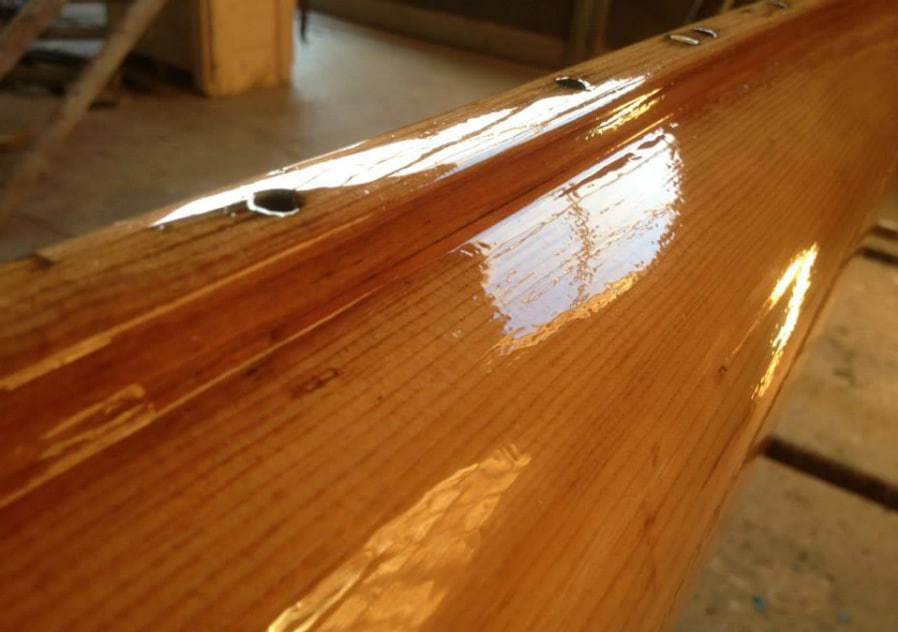
- "EpoxyWood" – Wood Restoration Epoxy Resin for Deep Penetration and WaterproofingOriginal price was: £64.00.£39.85Current price is: £39.85.Designed for wood restoration, "EpoxyWood" penetrates deeply to reinforce and waterproof wood with a natural straw-yellow finish.
- "River-Table" – Complete Kit for Creating Your First Epoxy Resin TablePrice range: £188.85 through £444.85"River-Table" kit includes resin, sealant and polishing components with instructions, suitable for beginners in wood and resin projects.
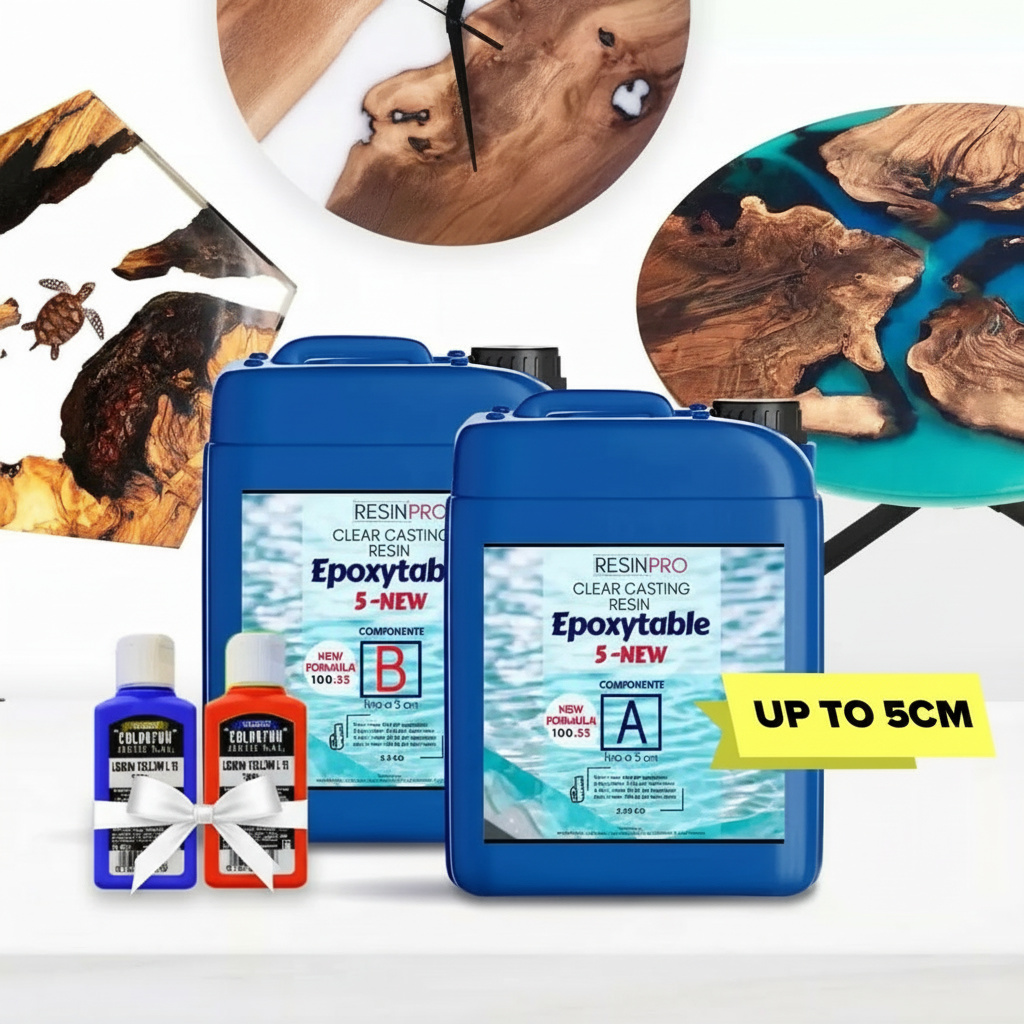 "EpoxyTable 5-Five" – Deep Pour Epoxy Resin for Tables and Large Projects – Up to 5cmPrice range: £16.85 through £1,099.85"EpoxyTable 5-Five" is suitable for deep pouring on wood projects, offering UV resistance and a scratch-resistant finish.
 "Trasparente" – Multipurpose Clear Epoxy Resin for Casting – Up to 2cmPrice range: £8.45 through £948.85"Trasparente" offers an ultra-clear, self-levelling finish up to 2cm thick, suitable for woodworking and various DIY projects.
Frequently Asked Questions
How should you prepare wood for resin application?
Sand the wood thoroughly, ensure it is dry, and remove all dust before applying resin. This ensures ideal adhesion and a smooth result.
Which resin is best for different pour thicknesses?
Use 'Trasparente' for layers up to 2cm and 'EpoxyTable 5-Five' for pours up to 5cm thick for clear, bubble-free finishes.
Can you apply resin to old or damaged wood?
Yes, but you should seal or reinforce damaged wood first using a penetrating epoxy like 'EpoxyWood' for long-lasting durability.
How can you prevent bubbles and yellowing?
Mix slowly, pour in correct layer thickness, and choose UV-stabilised resin to minimise bubbles and yellowing.
How long should you wait before sanding or recoating?
Allow the resin to cure fully—usually 24–48 hours—before sanding or applying another coat.
Is resin safe for indoor furniture?
Yes, most epoxy resins are suitable for indoor furniture once fully cured, providing a durable and attractive surface.