 Free shipping on orders over £29,85
  Shipping Tracking!


 Google
 Facebook
← Back to How much catalyst to use in polyester resin?

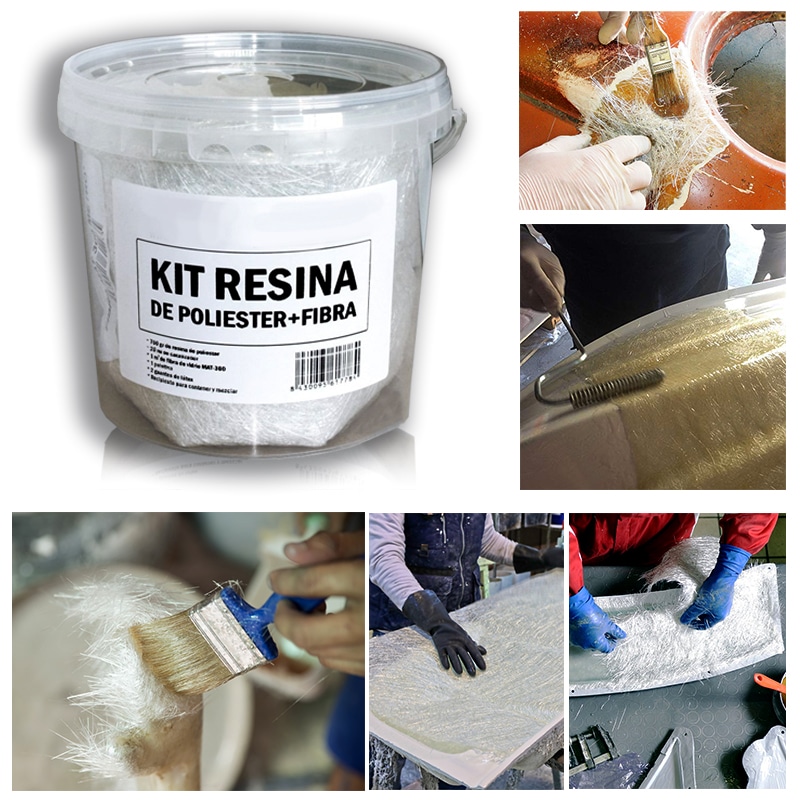
Correctly dosing catalyst in polyester resin ensures successful curing, even if you don’t have a dedicated resin kit. With a bit of care, it’s easy to do at home using basic tools you may already have to hand.
Tools You’ll Need for Accurate Measurement
If you’re mixing polyester resin without a kit, the main goal is accuracy. Reliable options include:
- Digital Scales: Ideal for weighing both resin and catalyst precisely.
- Measuring Syringe: Allows you to accurately measure out millilitres of liquid catalyst, useful when working by volume.
Whichever method you choose, always check the recommended catalyst ratio for your resin—often between 1% and 3% by weight.
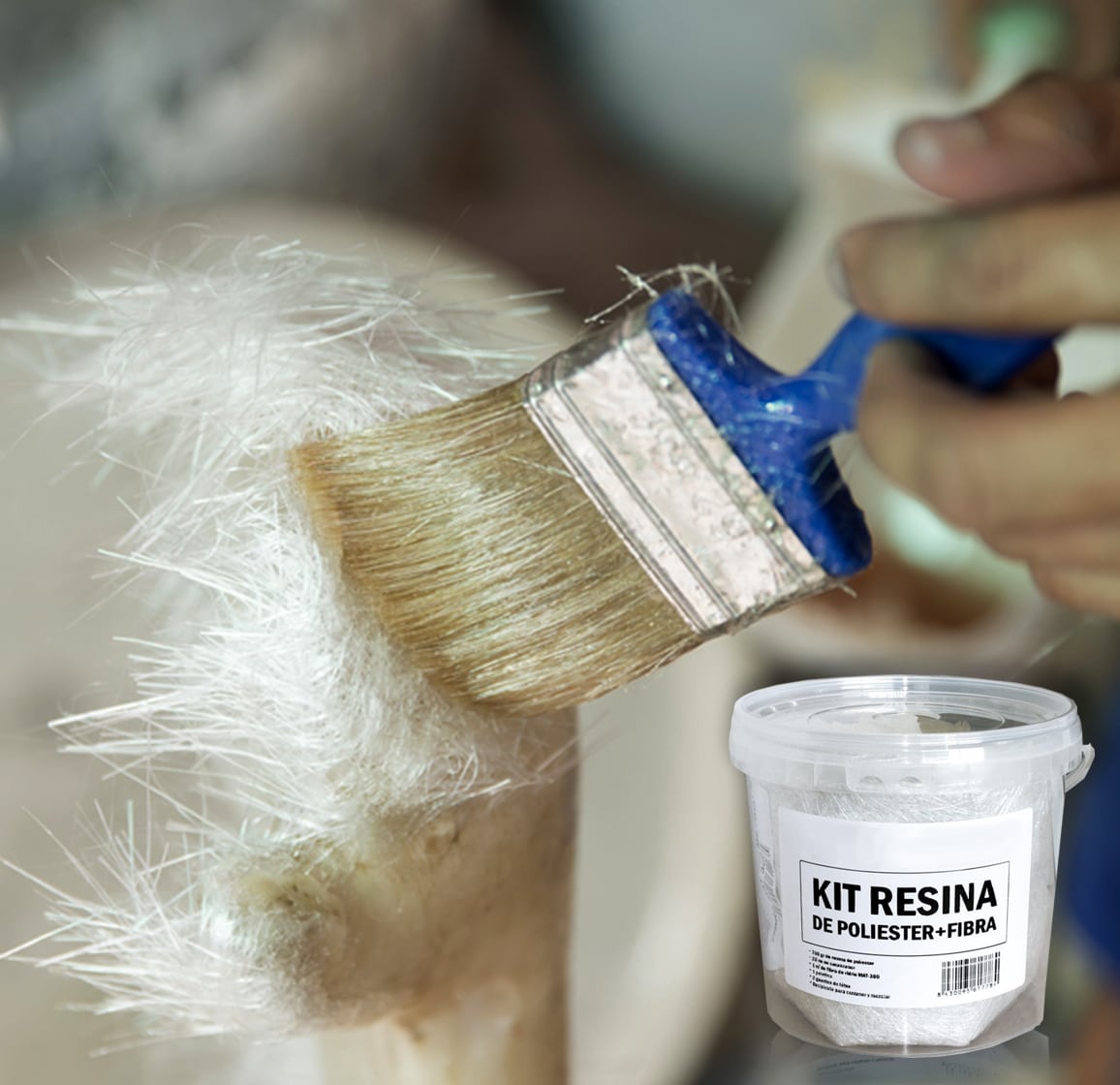
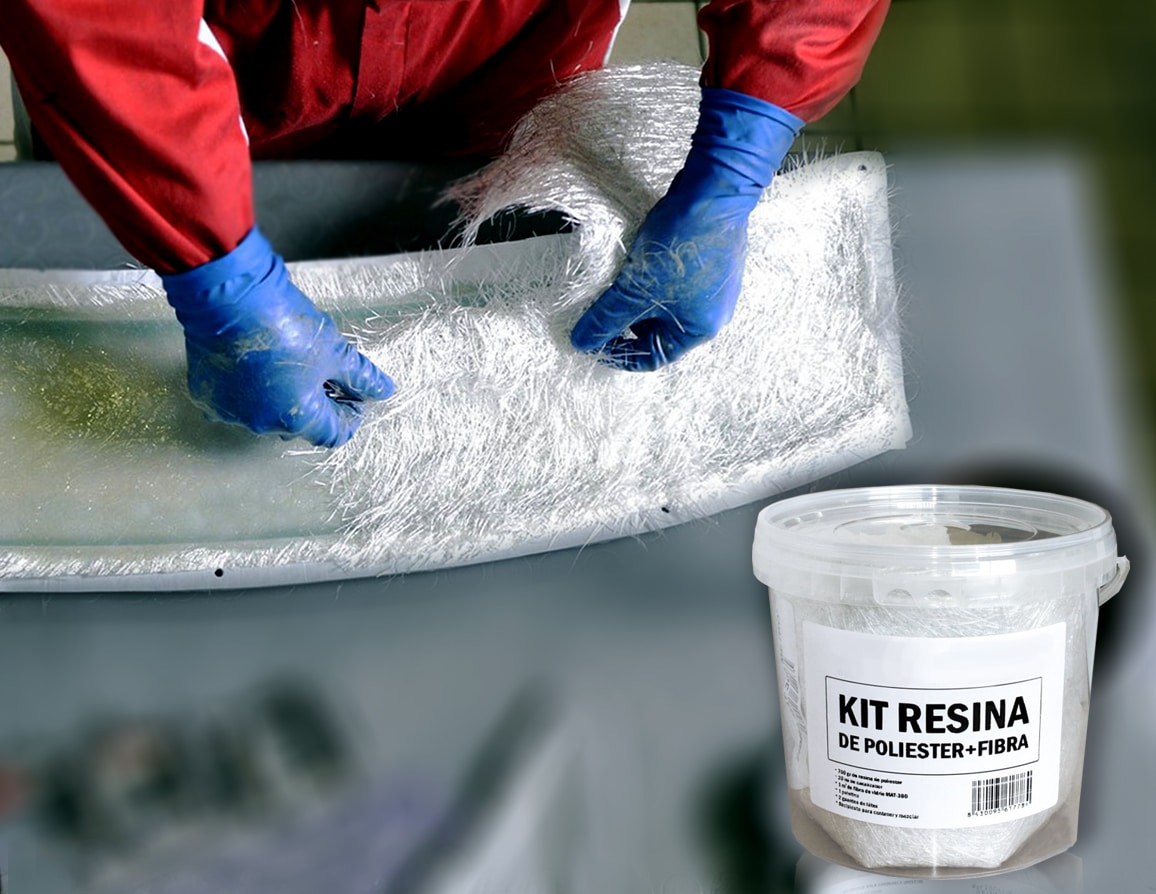
Step-by-Step Guide: Measuring and Mixing
- Weigh your resin: Place your mixing container on the scales, zero the weight, and add the required amount of resin.
- Calculate the catalyst: For instance, for 700g of resin and a 3% ratio, use 21g of catalyst (0.03 × 700 = 21).
- Measure accurately: Using a syringe or scales, add the catalyst to the resin.
- Mix thoroughly: Stir gently but fully to ensure an even cure.
If you want everything pre-measured and simple, consider a Resin Fibreglass Repair Kit – Complete Polyester Resin and Hardener Set for your next project.
When Precision Really Matters
Getting the catalyst dose right is particularly important when making structural repairs, waterproof seals or working in variable temperatures. Too little can lead to under-cured or sticky resin; too much can lead to rapid setting or heat build-up.
Related products
Related guides
Measuring catalyst yourself is straightforward with the right tools and a careful approach. For more guidance on ratios and resin kits, see our main advice on how much catalyst to use in polyester resin.