 Free shipping on orders over £29,85
  Shipping Tracking!


 Google
 Facebook
← Back to How much resin is needed in a water softener?
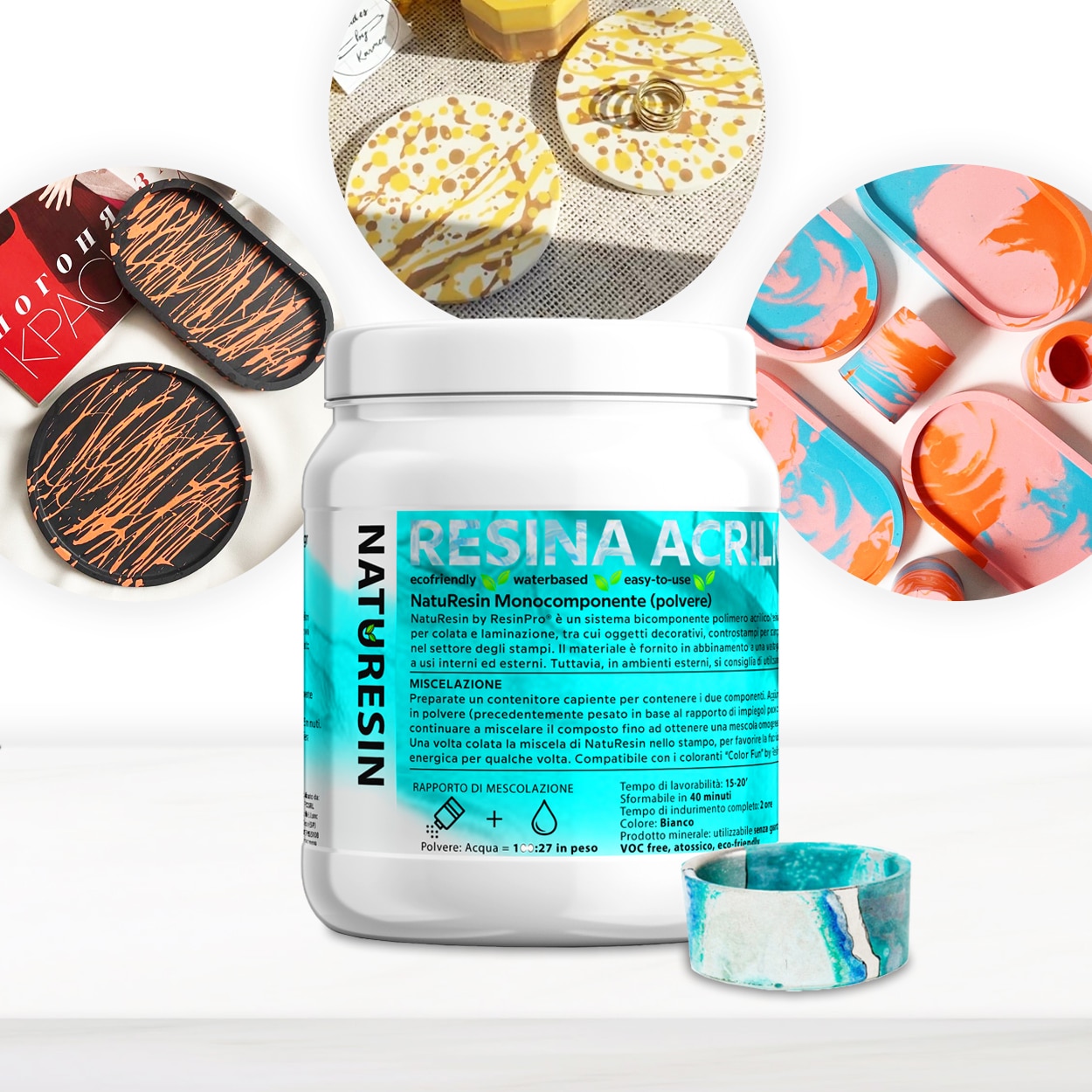
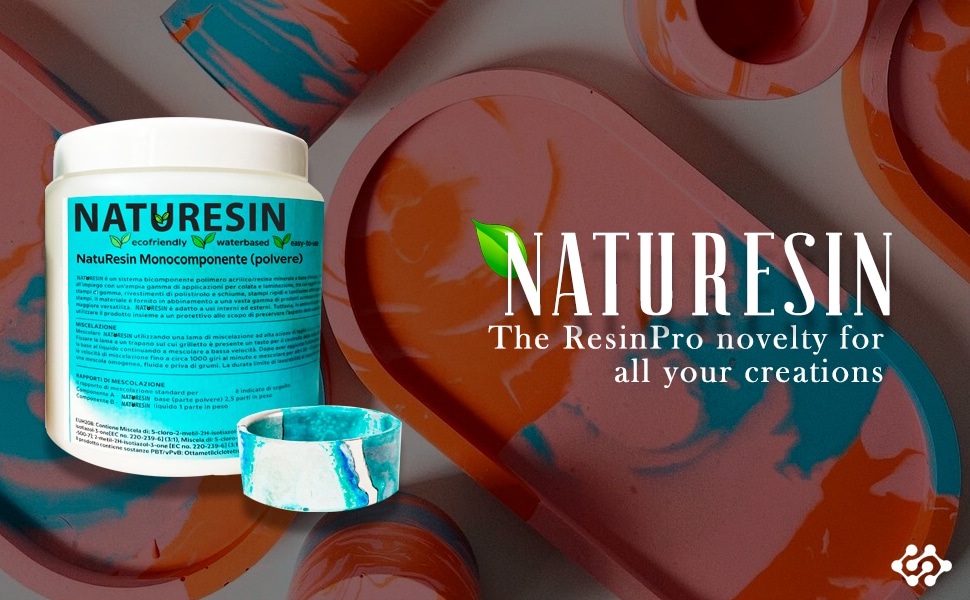
If you’ve ever wondered whether it’s possible to combine different types of resin in the same tank, it’s important to understand why this practice is generally discouraged. Resin selection plays a crucial role in both craft and more technical applications.
Why Mixing Resins Isn’t Advised
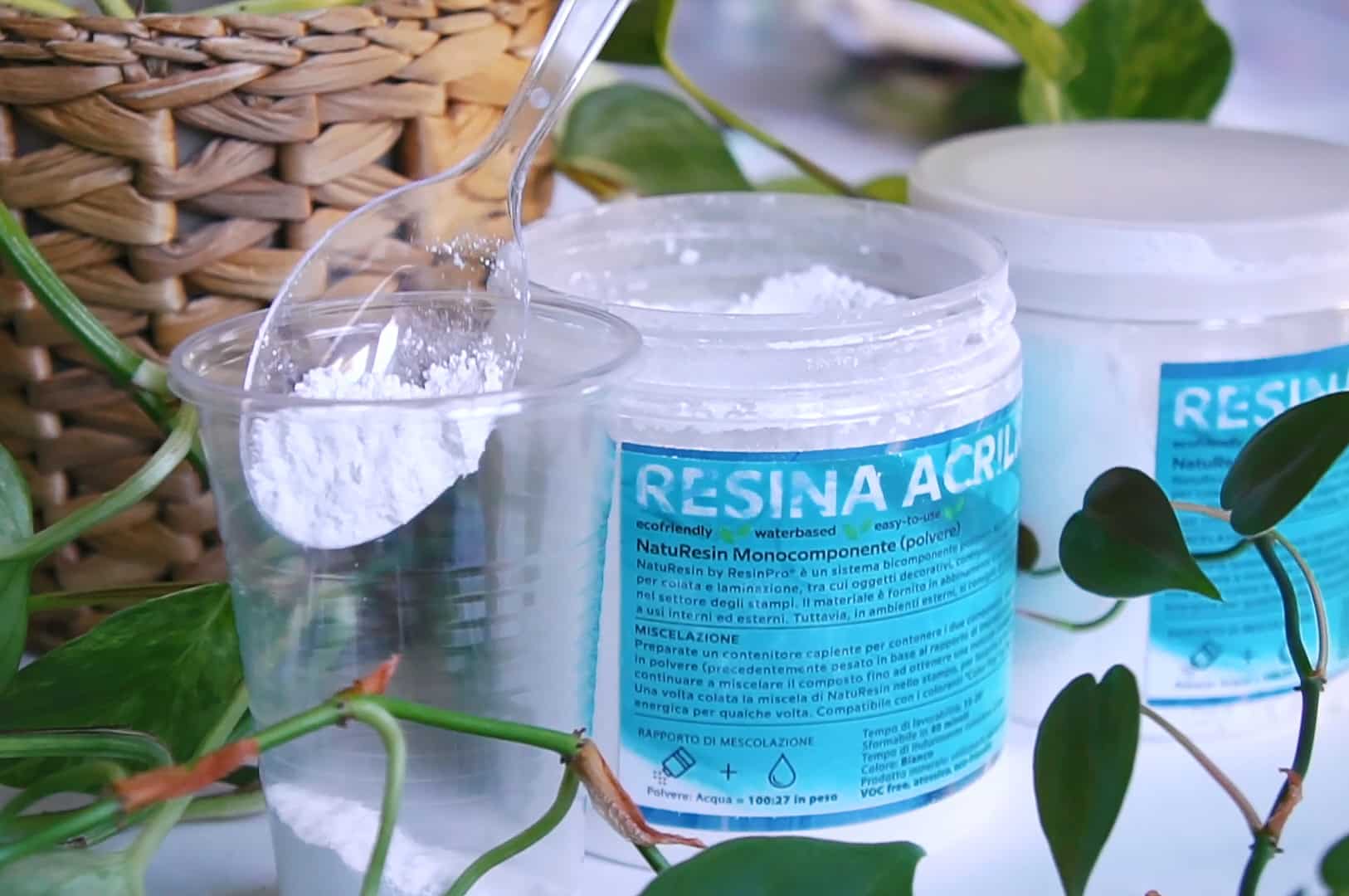
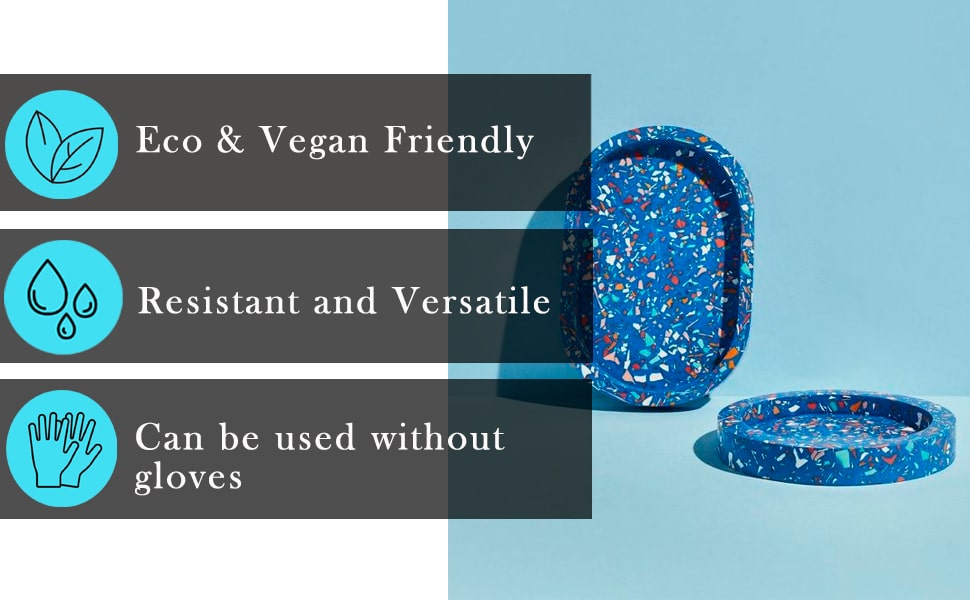
Each type of resin is engineered for a specific use and possesses its own set of chemical and physical properties. Mixing resins – whether for water softeners, table casting, or creative crafts – can lead to unpredictable results. Formulations may not be compatible, potentially resulting in inferior performance, reduced effectiveness, or issues in curing and strength. For example, NatuResin is designed to be mixed only with water for safe, creative work.
Best Practices for Resin Use
When starting any resin-based project, select a product intended for your exact needs. Stick to a single resin type within each project, tank, or mould to ensure consistent results. Always follow the manufacturer’s guidelines on mixing ratios and additives. If you’re planning a large-scale pour, as with tabletop resins like “Epoxytable 10-Ten”, complete the process using only the recommended system to avoid complications.
When This Matters Most
Mixing different resins is particularly risky when working with systems that require specific performance characteristics – such as water softening capacity, food-safe crafts, or deep-pour furniture casting. In these cases, the wrong combination can compromise durability, safety, and appearance. It’s always best to err on the side of caution and keep resin types separate.
Related products
Related guides
Choosing and sticking to one suitable resin ensures your project’s success and performance. For more detail on quantities and appropriate resin use in specialised systems, see our main guide on water softener resin.