 Free shipping on orders over £29,85
  Shipping Tracking!


 Google
 Facebook
← Back to What to put underneath for resins and?
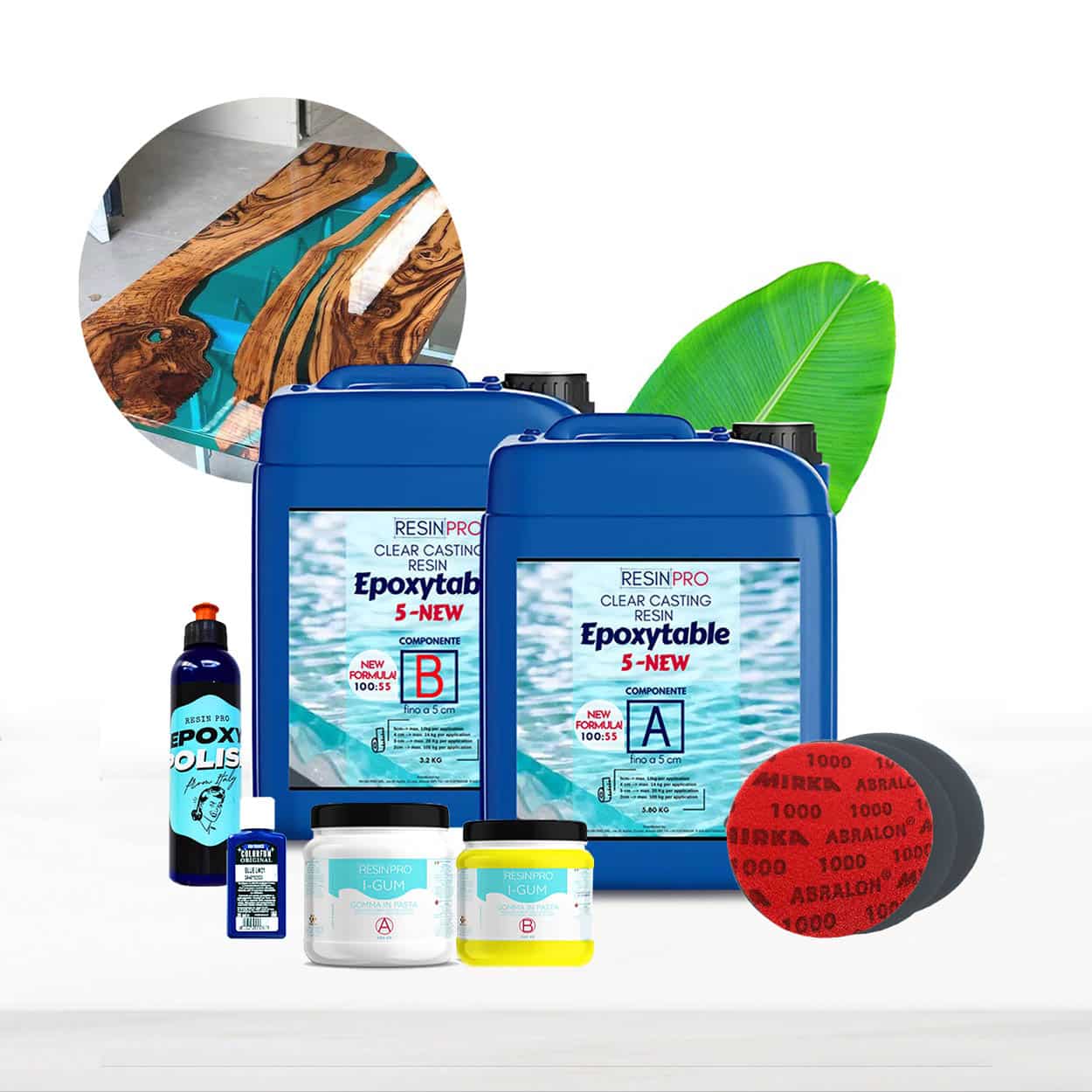
If you’re looking to create stunning resin projects, it’s natural to wonder whether you can simply pour epoxy resin directly onto a wooden base. While it might be tempting to start right away with bare wood, there are considerations that will ensure your finished piece remains durable and visually flawless.
Why Sealing Wood Is Essential
Plain, untreated wood is highly absorbent. Pouring epoxy resin directly onto it allows the wood to soak up not only the resin, but also moisture from the surrounding air, which can cause uneven curing, air bubbles, or weak bonding between the resin and wood. Sealing the wood base acts as a barrier, minimising absorption and promoting a strong, even interface. This extra step dramatically improves clarity and prevents unwanted marks or pitting in the finished surface.


Best Practices for Preparing Your Wooden Base
- Step 1: Sand and Clean – Start by sanding the wood to a smooth finish and remove any dust or debris.
- Step 2: Apply a Sealant – Use a thin layer of epoxy resin or a dedicated wood sealer to coat all surfaces. Allow this to cure fully before your main resin pour.
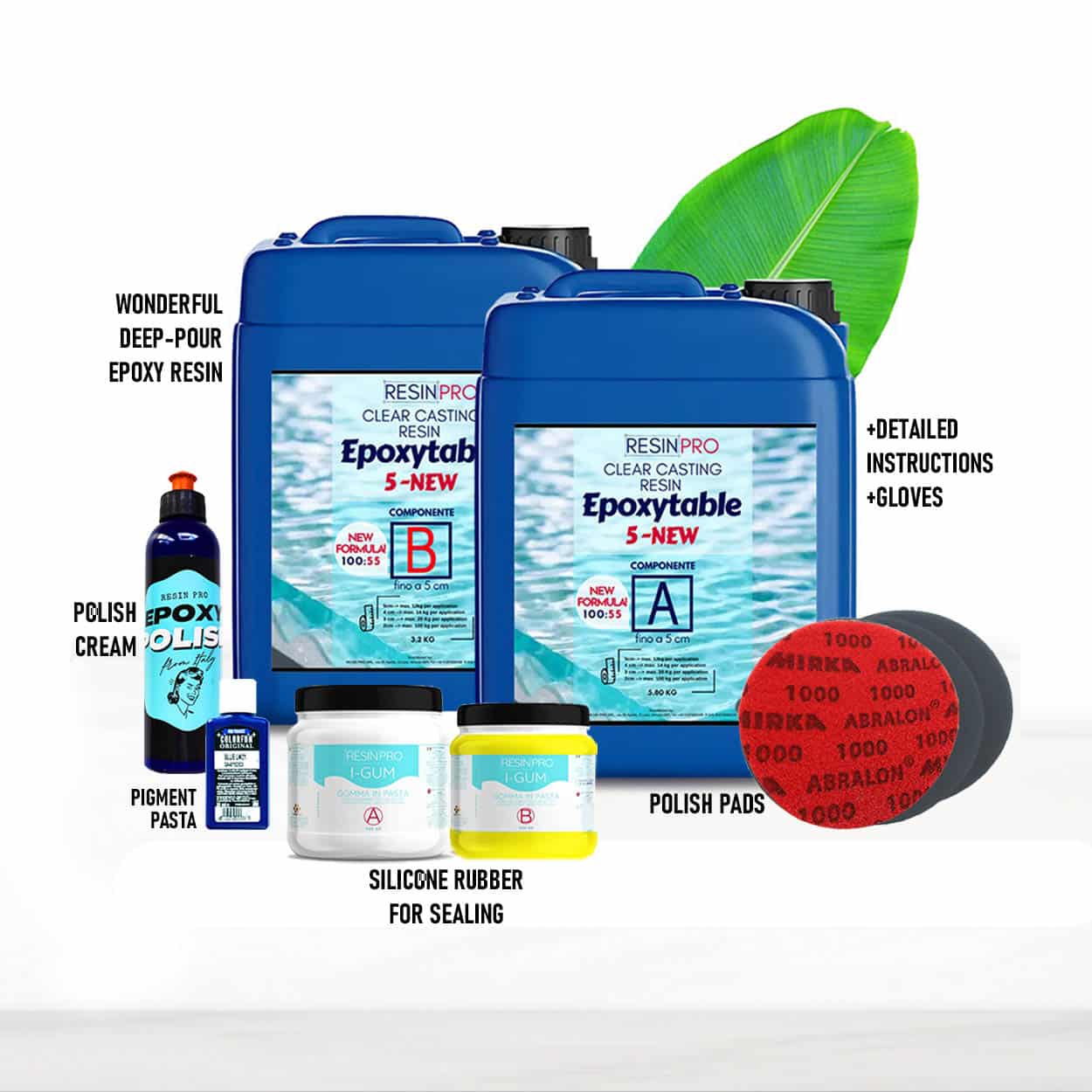
- Step 3: Contain the Resin – Build a solid formwork around the wood to prevent leaks. Many find kits like the “River-Table” Complete Kit helpful, as it includes sealant, release film, and full instructions.
Taking this care ensures your resin bonds well and your project cures with a smooth, professional finish.
When This Matters Most
This preparation is particularly important for large resin pours, river tables, or situations where the visual clarity and long-term stability of your piece are important. Skipping the sealing step often leads to expensive and disappointing results, especially on valuable wood or for showcase projects.
Related products
Related guides
Taking the time to prepare your wooden base sets the foundation for a strong and attractive resin finish. For more tips on choosing the right substrates and best practices for resin projects, visit our main guide on what to put underneath for resins and.