 Free shipping on orders over £29,85
  Shipping Tracking!


 Google
 Facebook
What to put underneath for resins and?
Choose the ideal underlay for tables, art and pebble floors
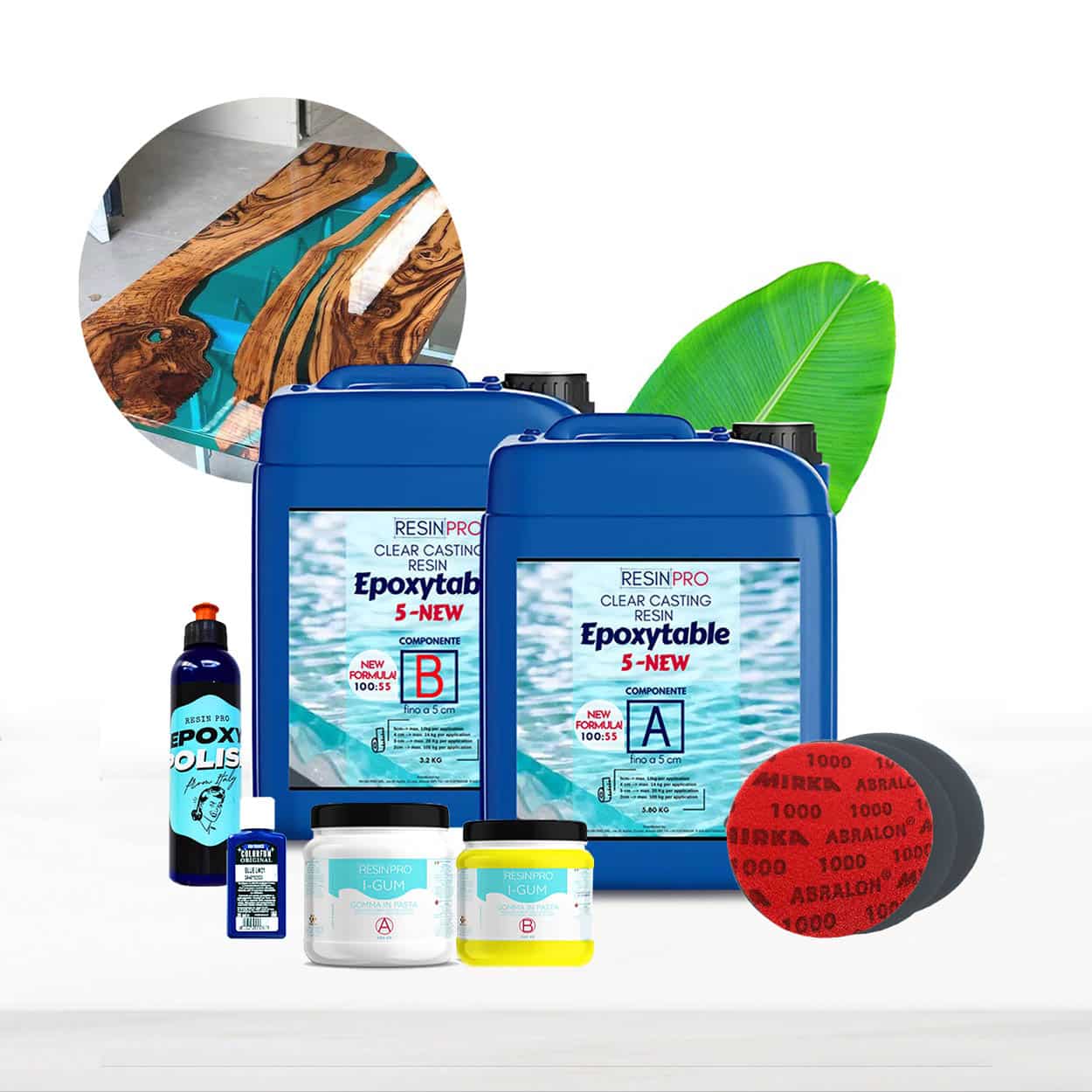
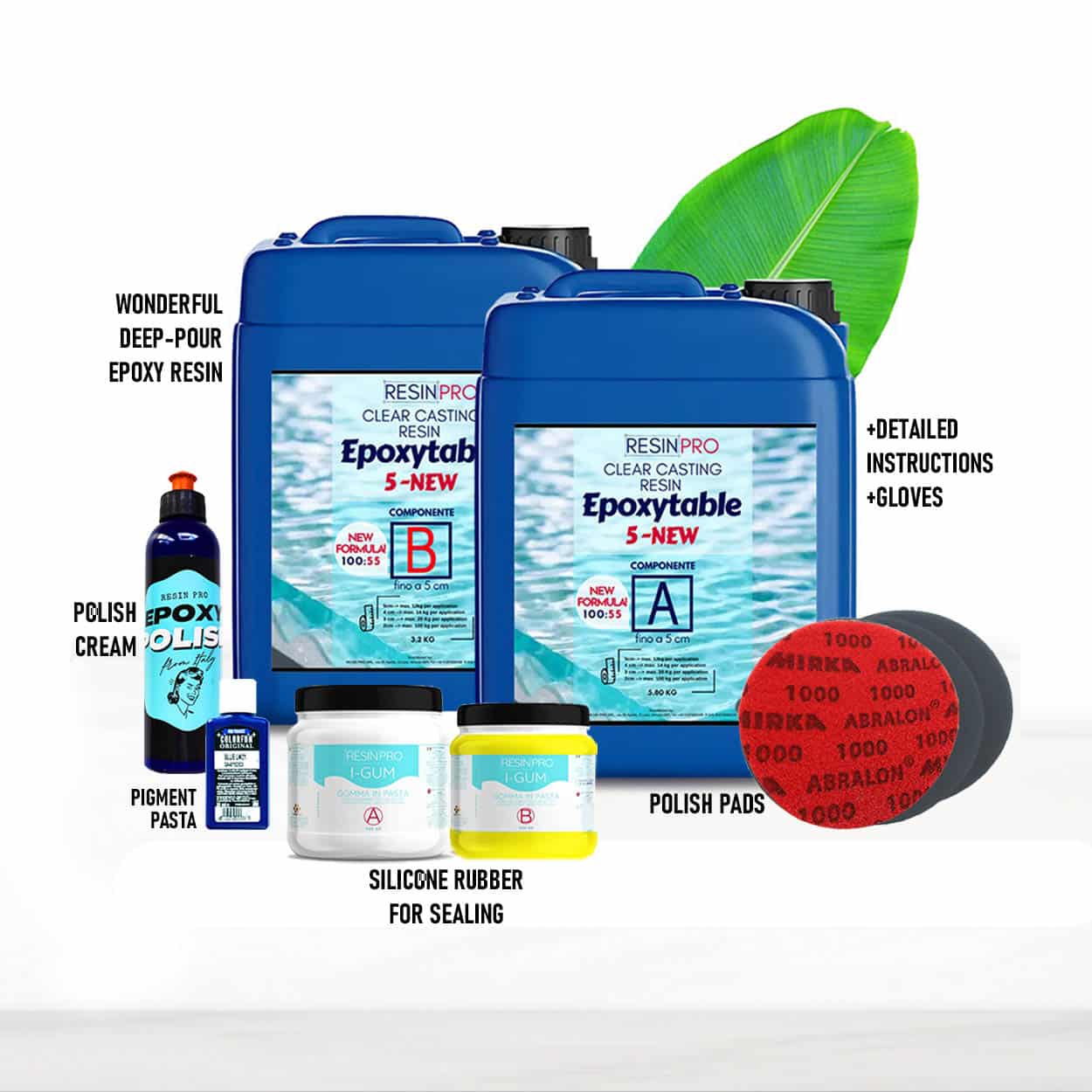
When working with epoxy resin, selecting the correct base or substrate is crucial to the final outcome. Whether you’re casting a river table, crafting resin artwork, making detailed moulds, or installing decorative pebble floors, the right underlay determines ease of demoulding and the finish quality. This guide is designed for makers, crafters, DIYers, and professionals seeking the most effective solutions for what to put underneath resin—highlighting the top substrate options for different resin projects.
Overview: Comparing Common Underlays for Resins
Epoxy resin projects demand carefully chosen surfaces and supports to ensure optimal adhesion, easy removal, and an impressive result. The best option depends on your technique: for example, bespoke kit solutions with integrated sealant suit wood-and-resin tables, robust wooden bases are ideal for stable artwork supports, platinum silicone is unmatched for mould-making, and crystal-clear binders are perfect for pebble or grit flooring. Understanding these differences helps you avoid trapping your project or blemishing the resin during demoulding.
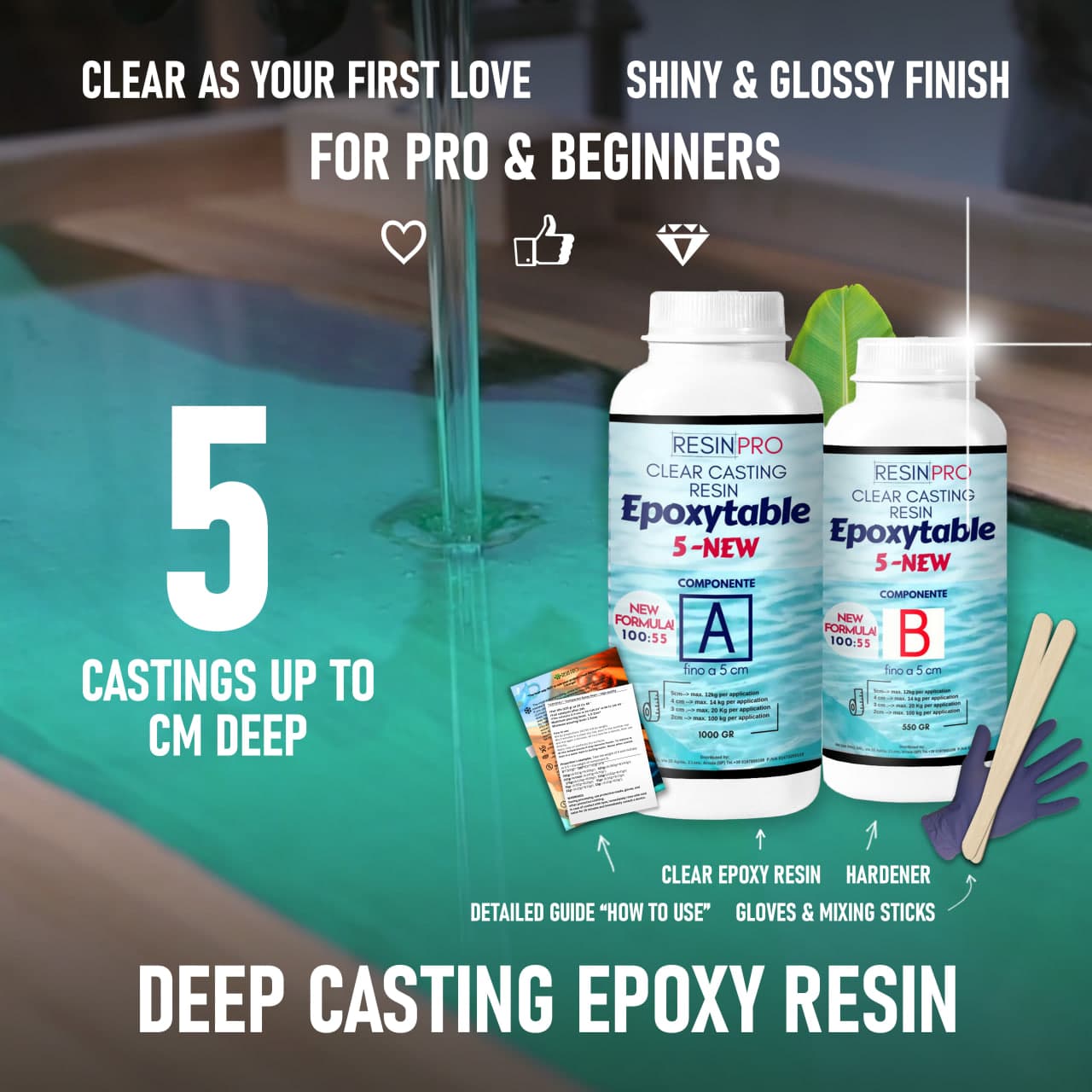
See Popular Substrate Solutions in Action
From resin art to pebble floors, choosing the correct base improves your project from start to finish. The right underlay makes demoulding simpler and surface quality superb. See how the options above enhance both beginner and advanced resin techniques on our product gallery and instructional pages.
“River-Table” – Complete Kit for Creating Your First Epoxy Resin Table
For those looking to start their journey into resin tables, the “River-Table” – Complete Kit for Creating Your First Epoxy Resin Table offers everything needed to prepare and protect the underlying surface. The kit includes epoxy resin capable of casting up to 2 or 5cm in a single pour, reliable silicone rubber for sealing your formwork and preventing leaks, a dedicated release film aiding effortless removal, and a final polishing kit for a professional shine. With clear instructions on building formwork and managing pours, beginners benefit from simplicity and completeness—giving peace of mind when tackling large or detailed tables.
“Geode O” – Table Base for Epoxy Resin Art – Wood Support for Resin Projects
If your project demands a sturdy, flat base for resin pouring, the “Geode O” – Table Base for Epoxy Resin Art – Wood Support for Resin Projects is specifically designed to support resin art pieces. Made from robust, high-quality wood, it provides stability and optimal compatibility with various techniques, from poured resin artwork to creative layered effects. Its versatility suits artists and DIYers aiming for consistency, and it holds up reliably for repeated use with multiple materials.
“Pure Mould” – Translucent Liquid Silicone Rubber for Mould Making
For anyone casting resin into complex shapes or requiring easy demoulding, “Pure Mould” – Translucent Liquid Silicone Rubber for Mould Making is a platinum-based silicone designed to create custom-fit, detailed moulds. The 1:1 mixing ratio, fast curing (3–8 hours), and high flexibility ensure you can observe your casting, capture fine details, and enjoy a longer service life with reduced shrinkage. This is particularly well-suited for jewellery, decorative objects, and scenarios where standard wooden or plastic bases would not allow smooth release.
“Trasparente” – Epoxy Binder for Coloured Pebbles and Grits
Transforming pebble floors or outdoor paths? “Trasparente” – Epoxy Binder for Coloured Pebbles and Grits provides a clear, UV-resistant option specifically for binder applications with coloured aggregates. Instead of pouring resin atop loose gravel, this binder is designed to encapsulate pebbles and grits—ensuring adhesion and a durable, non-yellowing surface. Perfect for driveways, permeable outdoor areas, and creative flooring, it’s certified non-toxic after curing and applies with ease thanks to its low viscosity.
Tips for Choosing the Right Resin Underlay
Selecting the appropriate substrate or support is determined by your project’s requirements. Wood bases are best for structural artwork or functional surfaces, while silicone moulds are ideal for intricate designs requiring precise detail and easy removal. For formwork, use a dedicated sealant and release film to prevent leaks; for floors and aggregates, ensure aggregates are well-mixed with binders before application. Always check the compatibility of materials, thickness tolerances, and follow each product’s unique preparation guidelines to achieve professional, reliable results.
Expert Substrate Prep and Application Advice
Preparation is everything in resin work. Cleanliness, stable mounting, proper sealing, and the use of dedicated products like release films or silicone moulds make a tangible difference. Explore more in our user guides or delve into essentials within our complete kits and table bases range.

- "River-Table" – Complete Kit for Creating Your First Epoxy Resin TablePrice range: £198.45 through £467.45Kit for creating resin tables with included epoxy resin, silicone sealant, polishing kit and pigments. Suitable for beginners under the theme What to…
 "Geode O" – Table Base for Epoxy Resin Art – Wood Support for Resin ProjectsPrice range: £18.45 through £23.45The "Geode O" table base is a sturdy wooden support suitable for various epoxy resin and crafting techniques.
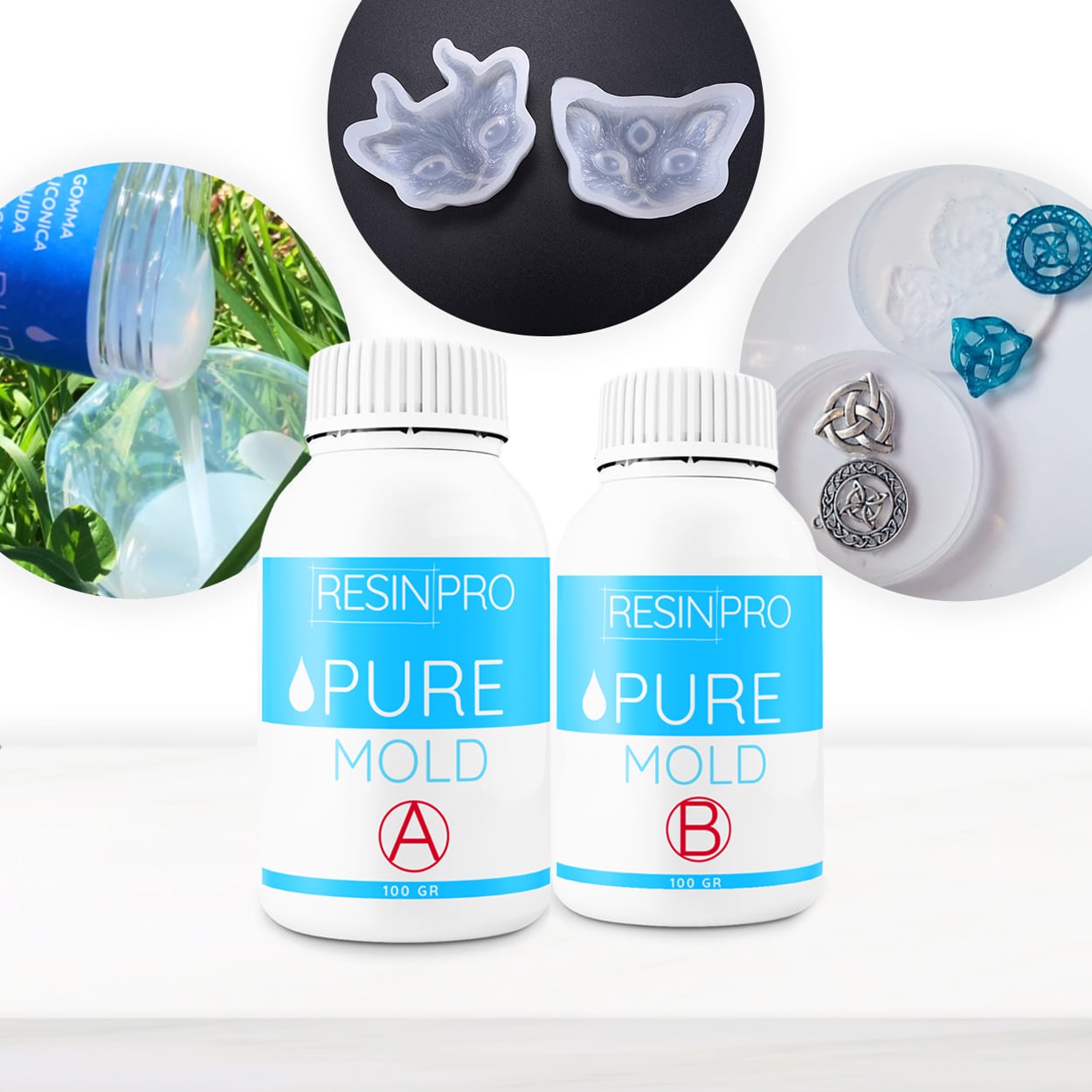 "Pure Mould" – Translucent Liquid Silicone Rubber for Mould MakingPrice range: £23.95 through £166.95"Pure Mould" is a translucent liquid silicone rubber suitable for mould making compatible with resins and other materials, fitting the theme of resin…
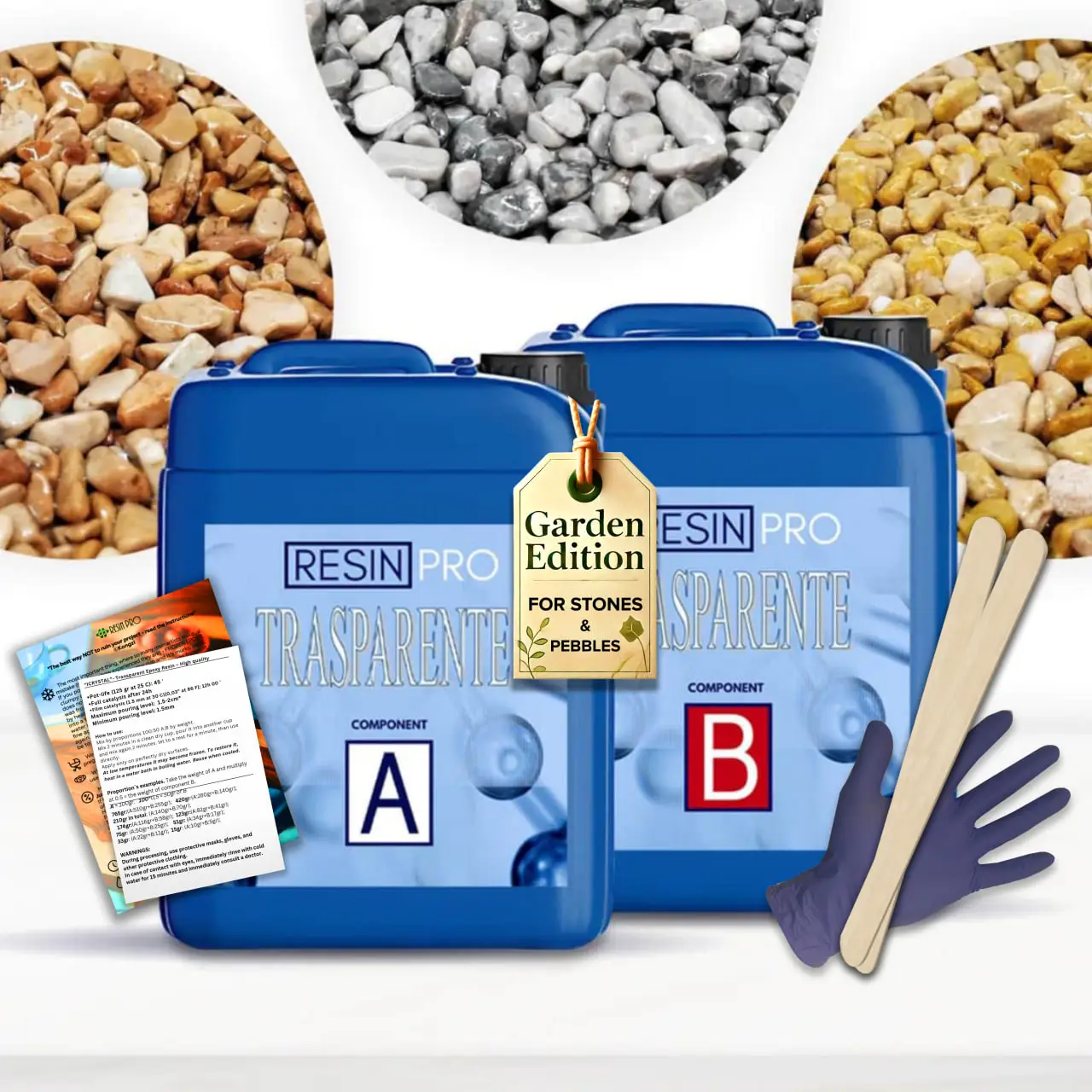 "Trasparente" – Epoxy Binder for Coloured Pebbles and GritsPrice range: £33.45 through £397.95"Trasparente" is a transparent epoxy binder suitable for coloured pebbles and grits, designed for use on driveways, paths and permeable floors.
Frequently Asked Questions
What is the best surface to use underneath an epoxy river table project?
Sealed wooden formwork, protected with release film and silicone sealant, is ideal for supporting resin river tables and simplifying demoulding.
Is it safe to pour epoxy resin directly onto plain wood?
While possible, untreated wood may absorb resin and cause bonding issues. Proper sealing or using a dedicated base improves results.
What’s the preferred substrate for intricate resin casting and mould creation?
Translucent platinum-cure silicone rubber is exceptional for detailed mould making, offering easy release and reduced shrinkage.
How do I secure coloured pebbles or grits beneath a resin surface?
Mix coloured pebbles thoroughly with a transparent epoxy binder to achieve structural stability before applying to the floor.
Is it necessary to use release films or silicone sealants for resin casting formworks?
Yes, release film and silicone paste prevent unwanted adhesion or leaks, making demoulding much easier and protecting your finished piece.
Can I use any base material underneath epoxy resin?
Not all bases are suitable. Only use surfaces proven to resist resin bonding or those designed for easy removal and support.