 Free shipping on orders over £29,85
  Shipping Tracking!


 Google
 Facebook
← Back to How to remove epoxy glue?
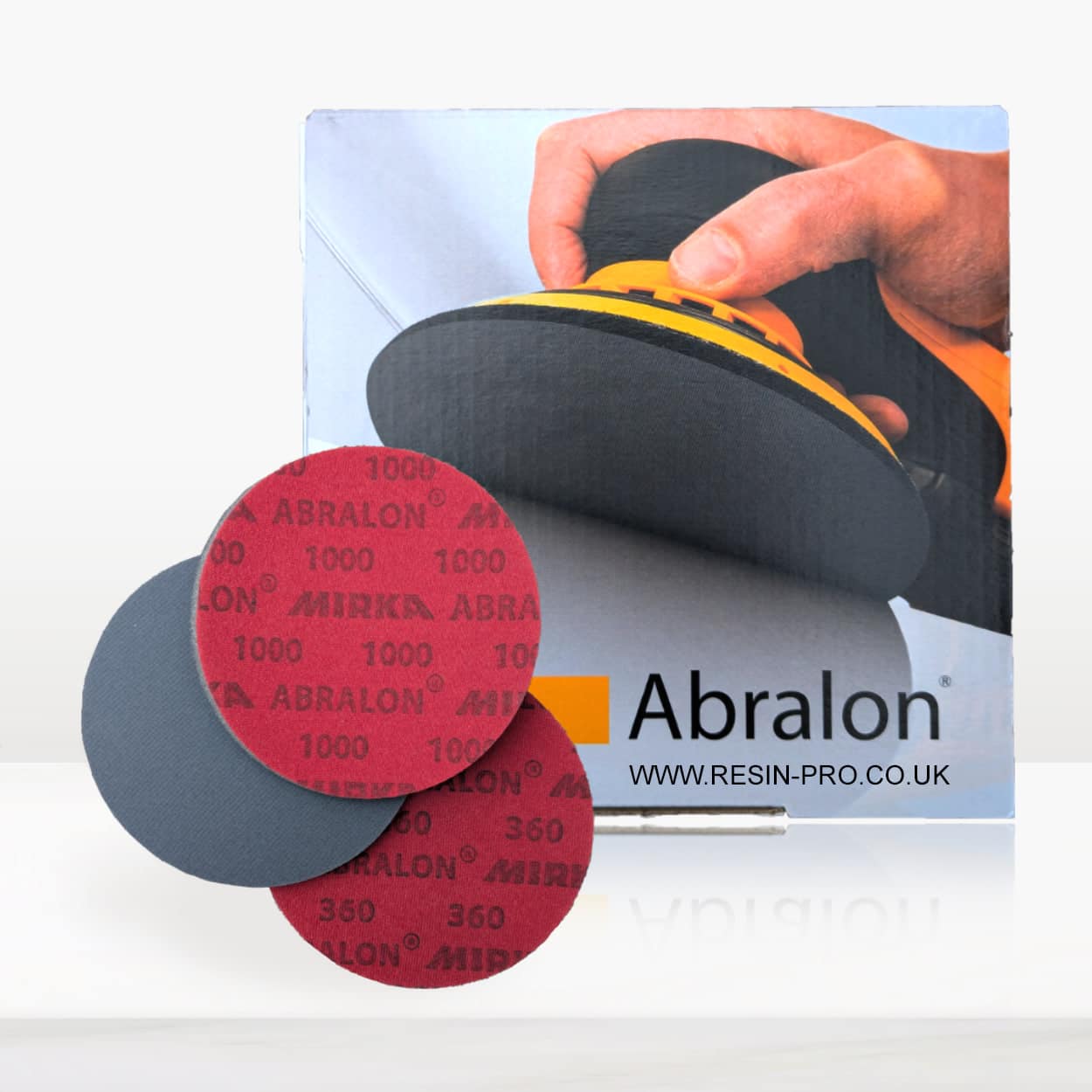
If you need to remove epoxy glue from wood or metal, sanding can be an effective solution—provided you use the right materials and technique. Here’s how to tackle stubborn epoxy residues safely and efficiently.
How to Approach Sanding Epoxy Glue
Before you begin, ensure the epoxy glue is fully cured and the surface is clean. Always start with a finer grit sanding pad—such as 360 or 600—to minimise the risk of scratching the underlying wood or metal. For most projects, specialised sanding pads are suitable and allow for greater control, especially when working on flat or contoured areas. If you have a larger or thicker section of epoxy, consider gently scraping away the bulk with a heavy duty scraper before moving onto sanding.
Choosing the Right Sanding Tools and Grit
Versatile sanding pads like the “Ebonite Abralon” range provide multiple grit options, spanning from coarse to very fine. Begin with the finest grit that will still be effective at removing the residue. This reduces the chances of leaving marks, particularly important for visible wood grains or polished metal surfaces. Sanding can be performed wet or dry; using a little water may help control dust and keep the surface cooler on metal.
When Sanding Matters Most
- Restoring visible surfaces: Sanding is often safest for items where finish quality is important.
- After scraping off bulk glue: Sanding pads are perfect for final smoothing and blending with the original surface.
- When chemical removers aren’t suitable: Sanding offers a dust-only, controlled removal process for sensitive environments.
Related products
Related guides
Sanding is a precise way to tackle cured epoxy glue on hard surfaces, particularly when quality matters. For a complete overview of removal techniques, including scrapers and suitable cleaners, see our main guide on how to remove epoxy glue.