 Free shipping on orders over £29,85
  Shipping Tracking!


 Google
 Facebook
← Back to Is Resin Bound Gravel Suitable for Driveways?
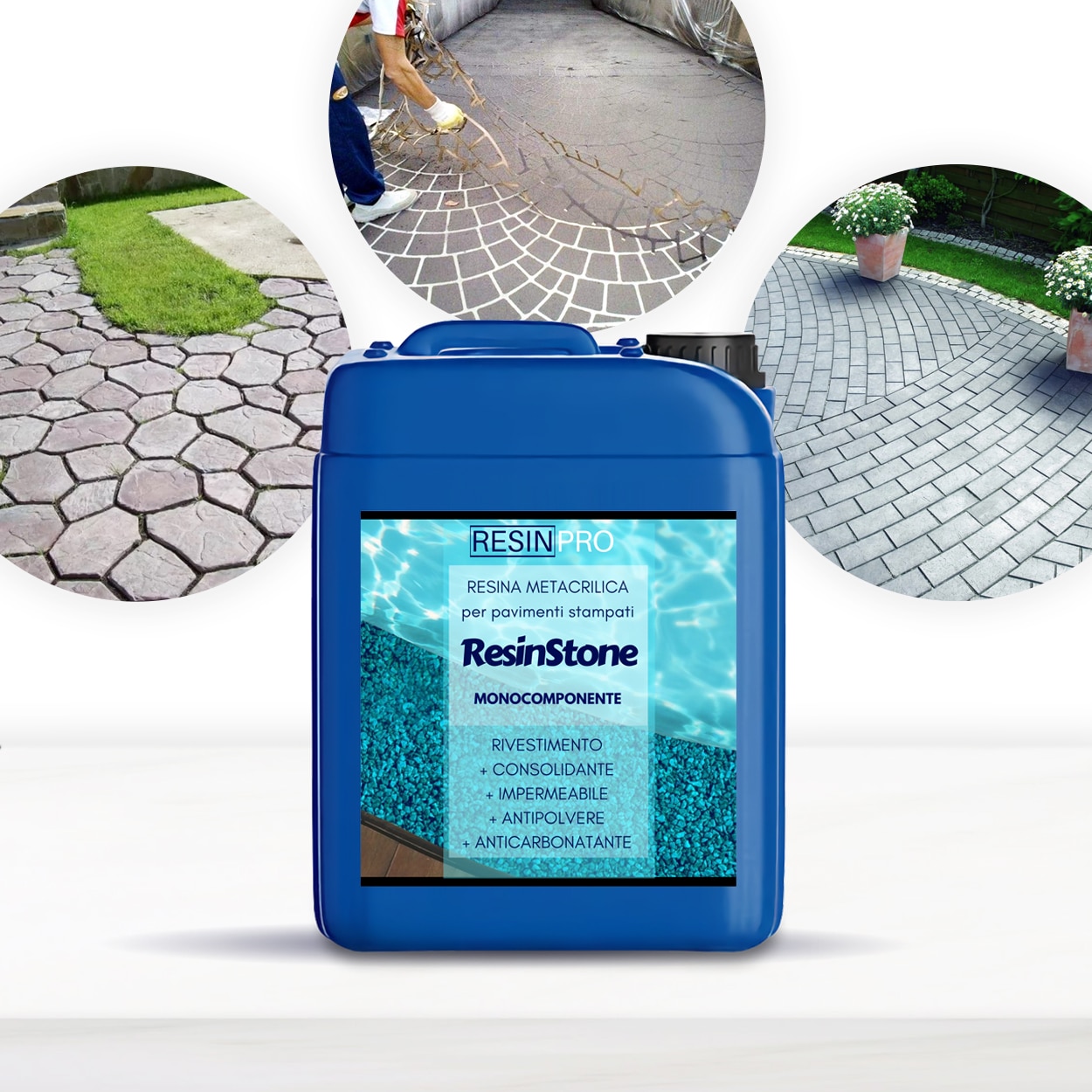
If you’re looking to safeguard your concrete driveway from the British weather, using a suitable resin sealer can be a practical and long-lasting choice. Let’s explore how resin works for concrete and what to expect.
How Resin Protects Concrete Driveways
A methacrylic resin, such as Resinstone, is designed specifically for sealing and protecting concrete surfaces. When applied to a driveway, this type of resin penetrates into the surface, creating a barrier that helps prevent moisture ingress while remaining breathable. This protective layer also boosts the concrete’s resistance to chemicals, stains, UV exposure, and the wear and tear of regular use.
Application Tips for a Durable Finish
Sealing your driveway with resin is a straightforward task. Start by making sure the concrete is clean, dry, and free from oil or loose debris. The resin can then be rolled or brushed on in even coats, following the manufacturer’s guidance. Most methacrylic resins are quick-drying, with driveways often ready for light use within a day. For best results, apply the resin in mild, dry conditions and avoid very low temperatures.
When This Approach Matters
- Preventing surface deterioration: If your concrete driveway is beginning to show signs of weathering, resin sealing can significantly extend its life.
- Enhancing appearance and cleanability: Resin creates a subtle sheen and makes the surface easier to keep clean.
- Minimising future repairs: By protecting against water and chemical ingress, you reduce the risk of cracks and stains.
Related products
Related guides
Using the right resin sealer makes it easy to protect and maintain your concrete driveway. For more on driveway care and choosing the best surface solutions, explore our full guide on resin bound gravel suitability for driveways.