 Free shipping on orders over £29,85
  Shipping Tracking!


 Google
 Facebook
← Back to How to catalyse resin?
Waiting for epoxy to cure can test anyone’s patience, especially on busy craft projects or tight deadlines. Can adding warmth help you save time safely? Here’s what you need to know about using heat to speed up the epoxy curing process.
Using Heat to Accelerate Epoxy Curing
Applying gentle warmth can accelerate curing, but it must be done carefully. Most standard epoxies react faster at slightly increased temperatures – around 25–30°C is usually effective for a small boost. A warm room or a low-temperature heat mat is often enough. Avoid direct sources like heat guns or hairdryers, as excessive heat can cause bubbling or uneven hardening.
- Check your product’s recommended curing temperature range.
- Increase air circulation in your workspace for even warmth.
- Never exceed the manufacturer’s suggested maximum temperature.
Risks of Overheating Your Resin
Too much heat or improper methods can actually damage your project. Overheating risks include trapped air bubbles, foaming, discolouration, or even soft or sticky finishes. For deep pours or larger volumes, overheating can cause rapid exothermic reactions that ruin clarity and strength. Always favour gradual warming over quick bursts of heat for best results.
Faster Alternatives: Choosing Quick-Cure Resin
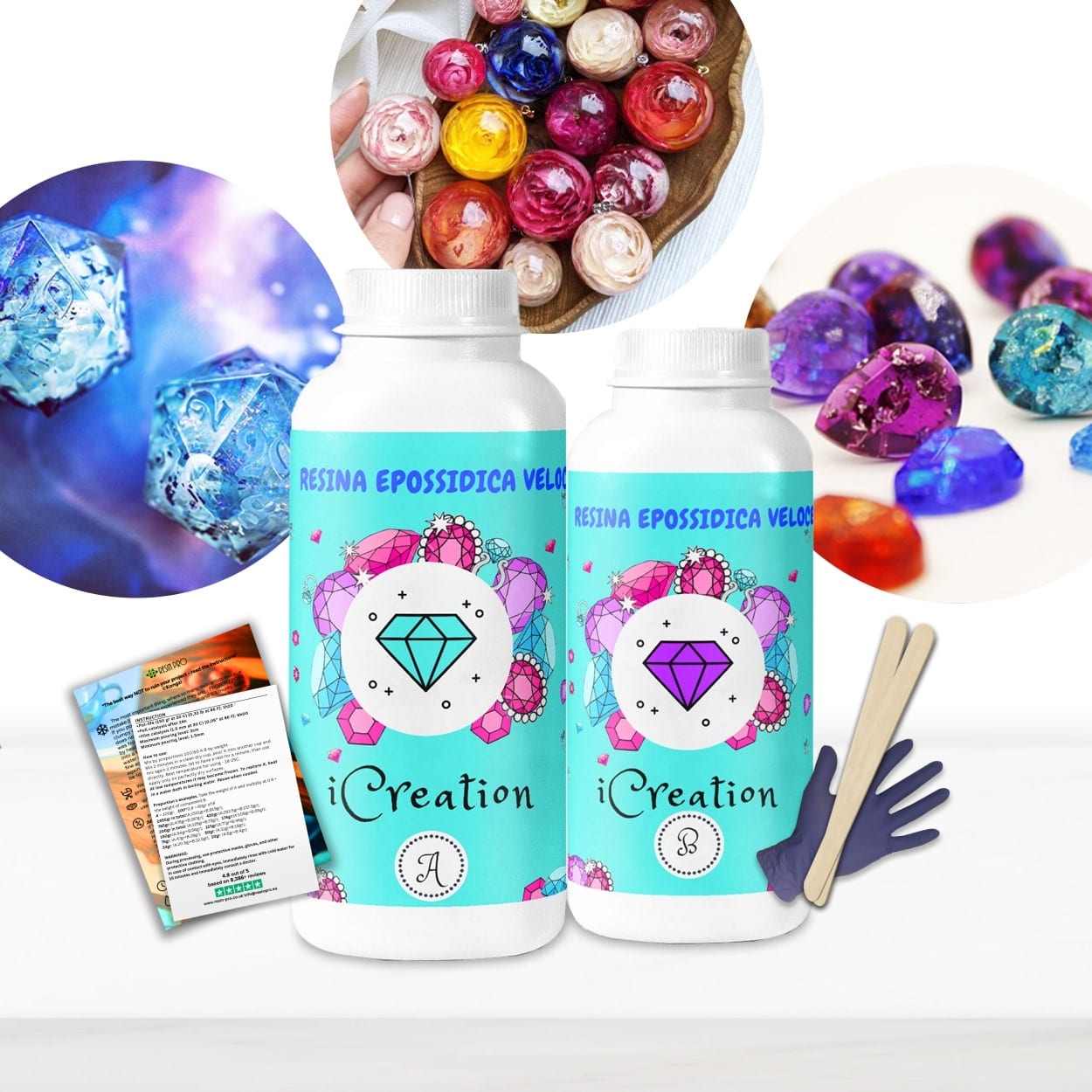
If consistently fast results are required, selecting a specially formulated quick-cure resin is often safer than heating. For instance, the ICreation Fast Epoxy Resin offers a 6-hour demoulding time with a clear, glossy finish, letting you keep production moving smoothly without added heat or risk.
When This Matters
Speeding up epoxy curing is helpful for tight turnaround times, multi-layer art, or quickly moving to sanding and polishing. However, for very thick pours or detailed work, patience is key to avoid defects.
Related products
Related guides
While gentle warmth can aid curing, the safest way to accelerate epoxy is to match your resin and technique to your project needs. Explore more tips on optimal curing and resin catalysis on our How to catalyse resin? guide.