 Free shipping on orders over £29,85
  Shipping Tracking!


 Google
 Facebook
← Back to Why is the resin not catalyzing?
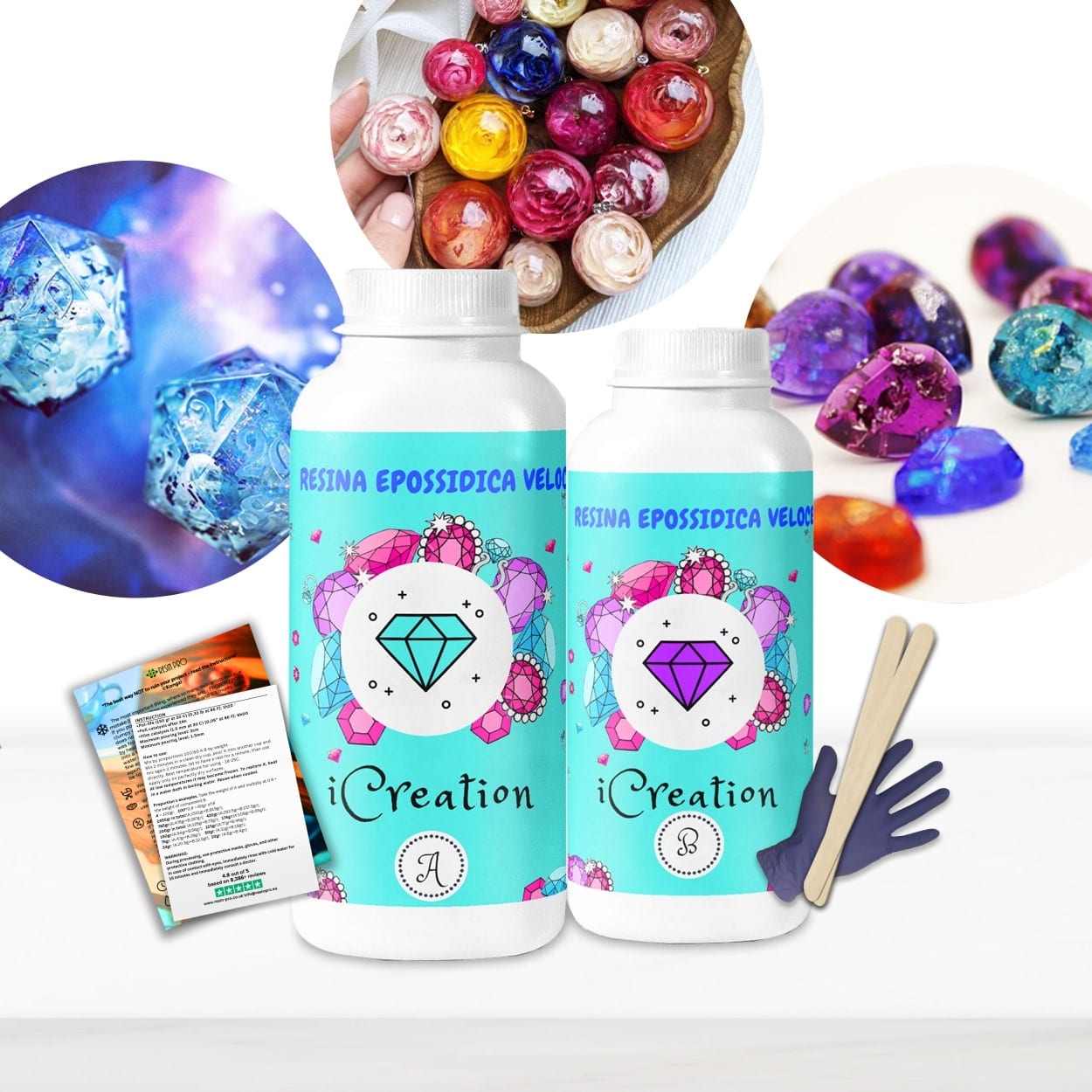
If your resin is taking longer than expected to cure, it can hold up your creative process. Thankfully, there are several safe techniques and product choices that may help speed up the curing process without risking the final results.
Safe Approaches to Accelerating Resin Cure
Warming your working area modestly can encourage resin to cure a little faster. Ideally, keep the ambient temperature near the manufacturer’s recommended upper range. Avoid using excessive heat such as hairdryers or placing projects near radiators, as overheating may lead to incomplete curing or surface distortion. Always refer to the instructions provided with your resin for the recommended temperature conditions, and never exceed them.
Choosing Faster-Curing Resins
If waiting for standard resins to set does not suit your needs, consider switching to a quick-setting formula like ICreation Fast Epoxy Resin. This type of resin is formulated to demould in as little as six hours, allowing you to finish projects much sooner. It’s ideal for jewellery, crafts, and situations demanding shorter turnaround times.
Practical Guidance for Reliable Results
- Double-check your mixing ratios—incorrect proportions can slow or prevent curing.
- Work in smaller batches if possible, as large volumes may cure unevenly.
- For deep-pour or thick applications, consider resins designed for those purposes, such as “EpoxyTable 5-Five,” to avoid curing delays and overheating.
When This Matters Most
Speeding up resin curing is particularly valuable when you need to complete time-sensitive orders, batch multiple items quickly, or simply prefer a swifter workflow for hobby projects. However, prioritise product safety guidelines to ensure the quality and clarity of your finished piece.
Related products
Related guides
Solving slow curing starts with understanding both environmental factors and product selection. For more guidance on achieving flawless results, visit our main guide on why resin may not be catalysing.