 Free shipping on orders over £29,85
  Shipping Tracking!


 Google
 Facebook
← Back to how to create the cell effect in resins
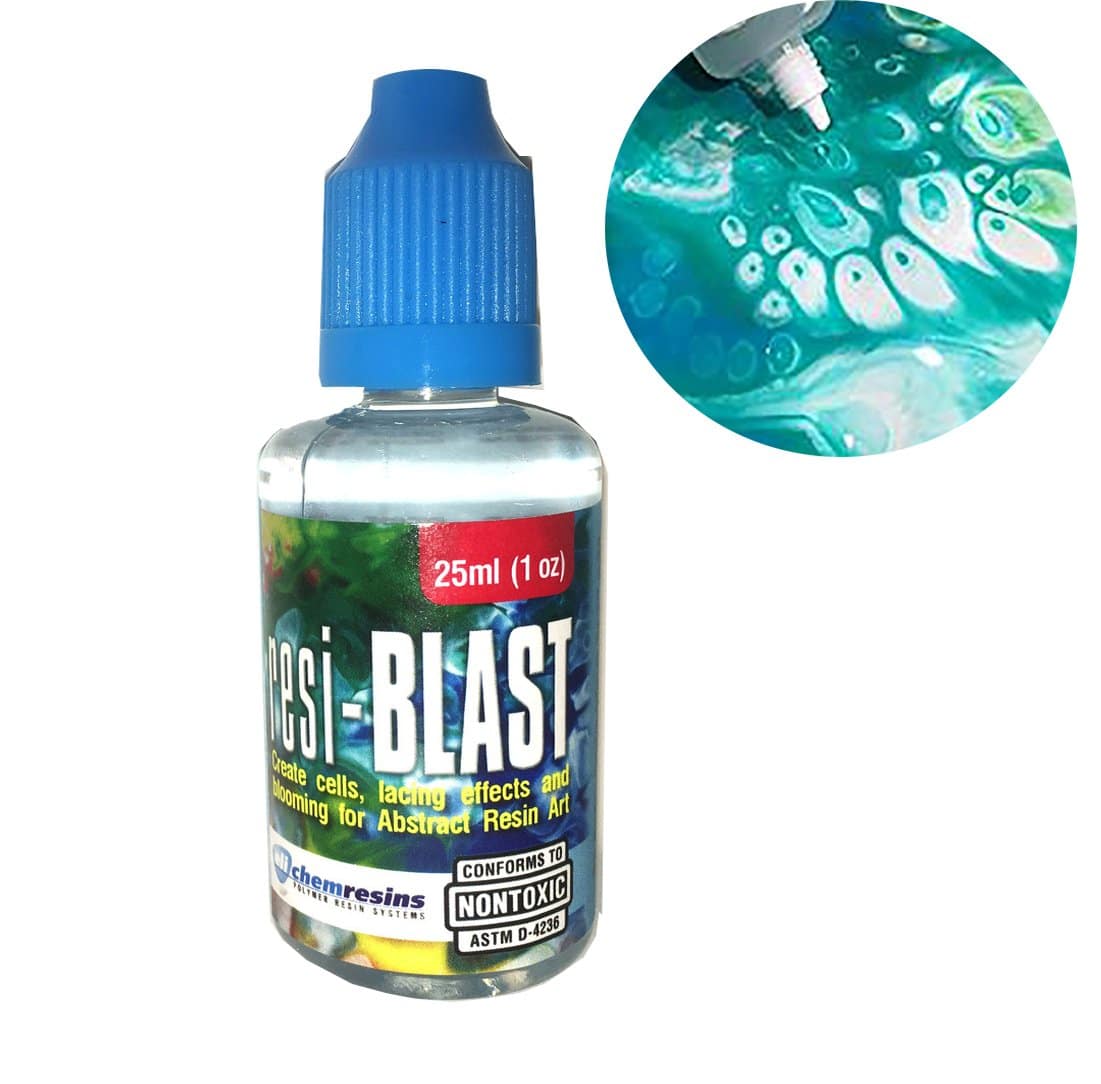
Cell effect additives are a popular way to bring dynamic, eye-catching patterns to resin art. But are these additives universally compatible, or does it matter which brand or type of epoxy resin you use?
Compatibility With Epoxy and Other Resins
Most cell effect additives available on the market, such as Resi-Blast and Magic Drops, are designed with broad compatibility in mind. They generally work well with standard epoxy, polyester, and polyurethane resins. However, it’s sensible to double-check both the additive and the resin manufacturer’s recommendations. Some specialty resins with particularly high or low viscosities may respond differently to certain additives, potentially affecting cell formation or the clarity of the effect.
Tips for Achieving the Best Results
For reliable, consistent cell effects, always test a small batch before starting a major project. Mixing methods and timing can influence outcomes; many additives are best dripped into pigmented epoxy or onto the surface of still-liquid resin. Using clear or high-clarity resins, like Icrystal, can help make your cell patterns stand out sharply. If you’re aiming for high-definition results or detailed separation of colours, choosing an ultra-high viscosity epoxy such as Art Pro Deluxe can help maintain defined sections and minimise colour bleeding.
When This Matters Most
- You’re mixing brands of resin and additives for the first time
- Your project requires precise cell or lacing effects
- Special resin characteristics (e.g. quick set times or unusual viscosities) may impact additive activation
Related products
Related guides
While most cell effect additives work with a range of resin types, testing them with your chosen brand is the key to flawless results. For more in-depth tips and advanced techniques on creating cell effects in resin, explore our full guide to resin cell art.