 Free shipping on orders over £29,85
  Shipping Tracking!


 Google
 Facebook
← Back to How to make resin figurines?
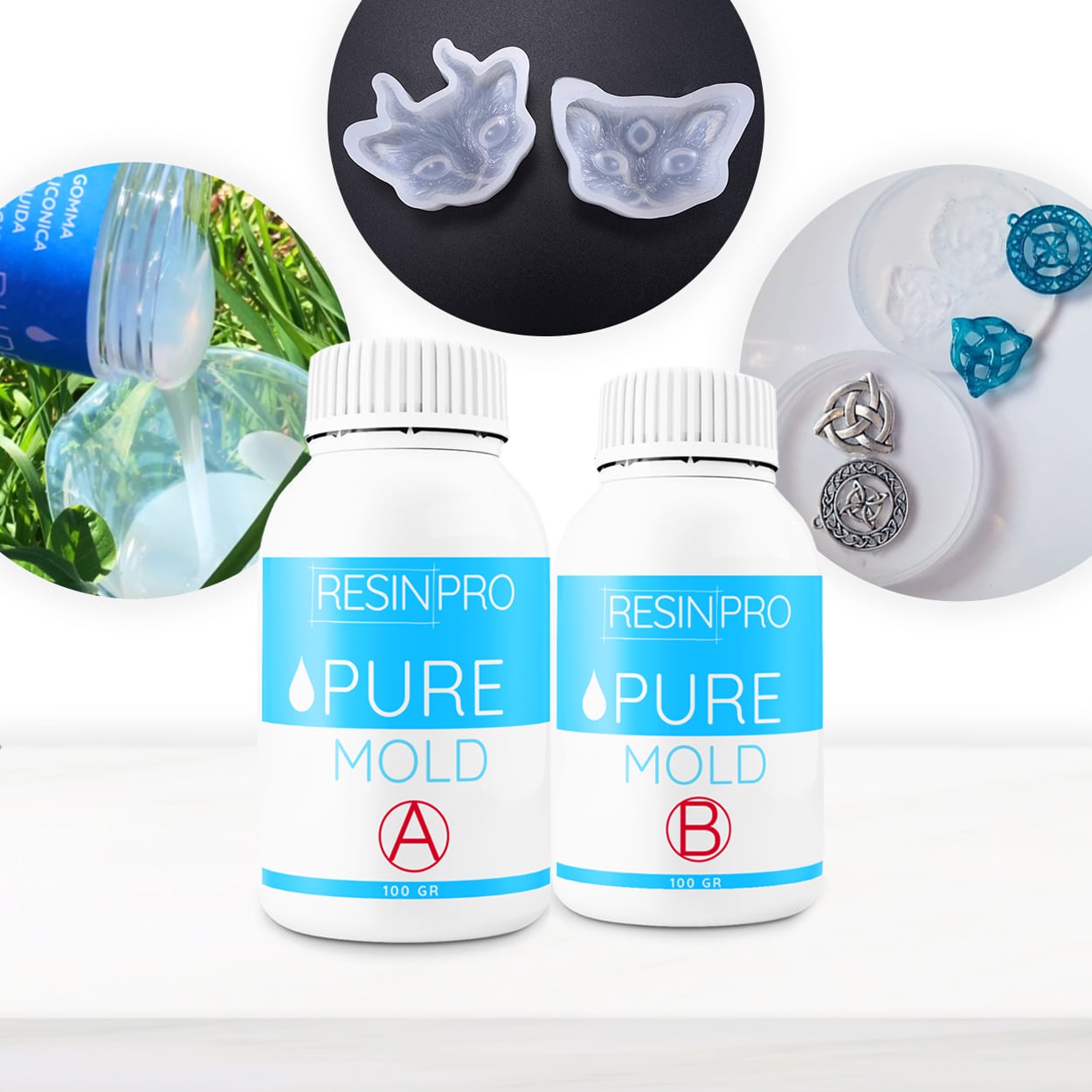
When starting out with resin figurine making, sourcing ready-made mould boxes isn’t always necessary. Many common household containers can quickly become effective mould boxes with a little preparation.
Choosing and Preparing Your Household Mould Box
Sturdy, leak-proof plastic tubs, food storage boxes, or even takeaway containers can be repurposed as mould boxes for casting. The key is ensuring your chosen container is clean, fits the size of your model comfortably, and does not have holes or cracks that would allow silicone or resin to escape. Avoid containers with flexible or thin sides, as these may bow out during pouring. For extra security with cardboard or thin plastic, lining the inside with tape or a plastic sheet can help prevent leaks.
Tips for Best Results
- Check the fit: Allow at least 1cm of space around all sides of your master model within the container for proper silicone coverage.
- Ensure release: Smooth, non-porous plastics are best; materials that stick to silicone should be avoided.
- Seal any seams: Hot glue or tape works well for temporary seams or lids.
- Keep steady: Place your container on a flat, level surface during pouring to maintain even thickness.
When Using Household Mould Boxes Matters
Repurposing household items is especially useful for small to medium projects, experimenting with new mould shapes or when creating test moulds. Just take extra care to check for leaks.
Related products
Related guides
Using household items for mould boxes makes resin figurine creation more accessible and flexible. To take your results further, consider pairing homemade mould boxes with a specialist silicone moulding product like Pure Mould silicone rubber. For more creative tips, see our full guide on how to make resin figurines.