 Free shipping on orders over £29,85
  Shipping Tracking!


 Google
 Facebook
← Back to how to work with resin
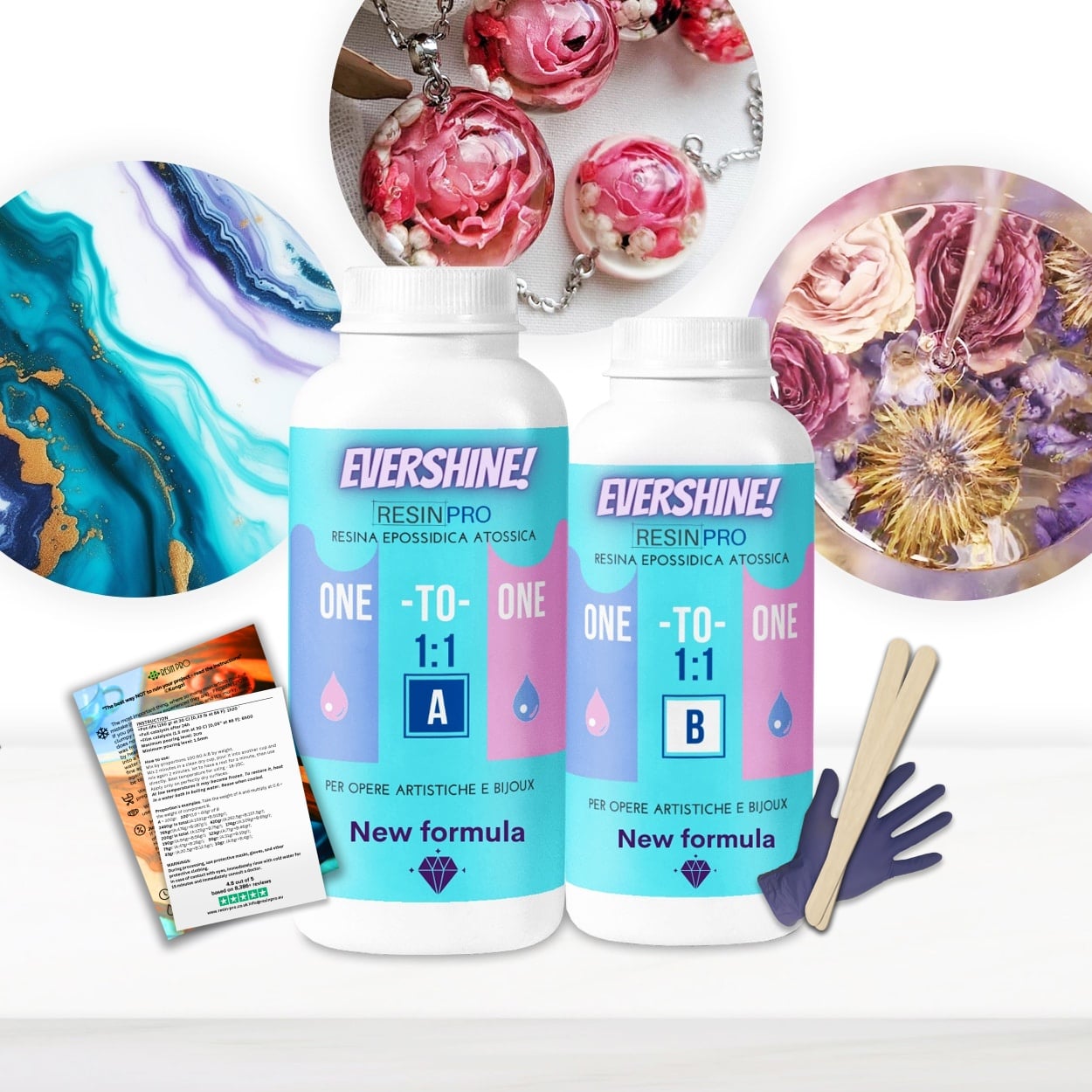
If you’re getting started with resin crafts, you might wonder whether all resins are the same. In reality, choosing the right resin type makes a noticeable difference in your results for jewellery, art pieces, or large furniture projects.
Why Different Resin Types Are Used
Resins come in various formulations, each tailored for specific uses. Jewellery and small decorative items often require low-viscosity, crystal-clear epoxy to capture fine detail and ensure a glossy finish. For large pieces, such as tables, deeper pour resins are vital since they allow thick layers to cure evenly and reduce issues like overheating or bubbles.
- Jewellery or charm making: Needs highly transparent resin with easy mixing for detailed moulds.
- Art and coatings: Often benefit from medium viscosity resins for smooth surface spreading.
- Table pours: Deep pour resins are essential for castings thicker than a couple of centimetres.
Match Your Resin to the Project
Selecting the correct resin involves more than finding any available epoxy. For instance, the One-2-One Epoxy Resin is designed for handcraft and jewellery, offering easy 1:1 mixing and a glossy finish. If you want to create thicker works, such as river tables or deep art blocks, consider a formula like EpoxyTable 5-Five, which safely cures in layers up to 5cm.
For crafters interested in comprehensive starter kits, the Evershine Collection provides everything needed for detailed jewellery, including accessories and pigments suited to smaller projects.
When this Matters Most
Choosing the wrong resin can mean surface imperfections, cloudiness, or even failed casts. Projects that require clarity and depth—like keepsake jewellery or statement tables—truly benefit from carefully selected epoxy. Always check the manufacturer’s guidelines for recommended thickness, mixing ratio, and curing time to avoid disappointment.
Related products
Related guides
Getting the best from your resin creations starts by matching the resin to your craft. For more details on selecting and working with resin, see our full guide on how to work with resin.