 Free shipping on orders over £29,85
  Shipping Tracking!


 Google
 Facebook
← Back to How much hardener should be used with penetrating resin?
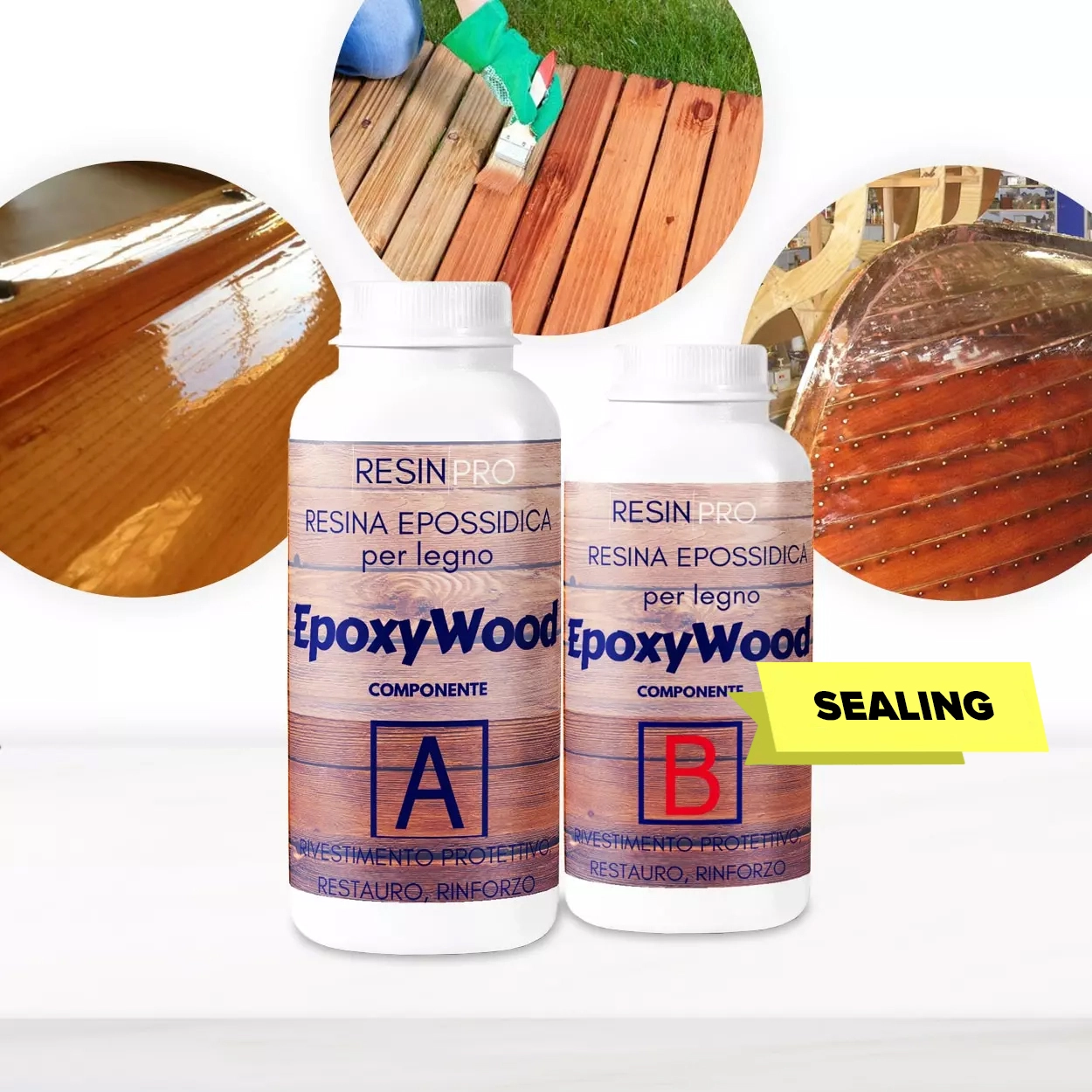
Wondering if you can use a hardener from a different brand with your penetrating resin? It’s important to understand why compatibility matters for successful resin projects.
Why You Should Only Use the Supplied Hardener
Each resin brand formulates its resin and hardener to work together as a matched system. Swapping the hardener for one from another brand, or even a different resin in the same range, risks poor curing, weak bonding, cloudiness, or even failed projects. Hardener chemistry—including curing times and the way it reacts—varies widely, so reliable results depend on using the components provided.
Potential Issues with Mixing Systems
- Incomplete Cure: Unexpected chemical reactions may leave your project sticky or soft.
- Reduced Durability: Mixing incompatible components can weaken the cured resin, making it more vulnerable to wear or environmental factors.
- Surface Problems: You may see hazing, discolouration, or bubbling if the wrong hardener is used.
Staying Safe and Getting the Best Result
For best performance, measure and mix only the resin and hardener that come together. For example, if you’re restoring wood with EpoxyWood, follow the manufacturer’s instructions for mixing ratios. If you’ve lost or run out of hardener, it’s safest to purchase a replacement matched to your resin batch.
When This Matters Most
It’s especially critical to use matched resin and hardener when waterproofing wood, reinforcing structural elements, or creating surfaces that must withstand stress or outdoor exposure. Using the supplied hardener ensures your project achieves full strength and the finish you expect.
Related products
Related guides
In summary, always stay with the hardener supplied for your chosen resin system to avoid compatibility issues. For more tips on correct mixing and hardener use, visit our FAQ on how much hardener should be used with penetrating resin.