 Free shipping on orders over £29,85
  Shipping Tracking!


 Google
 Facebook
← Back to How much resin is needed to cover a 3×3 bathroom?
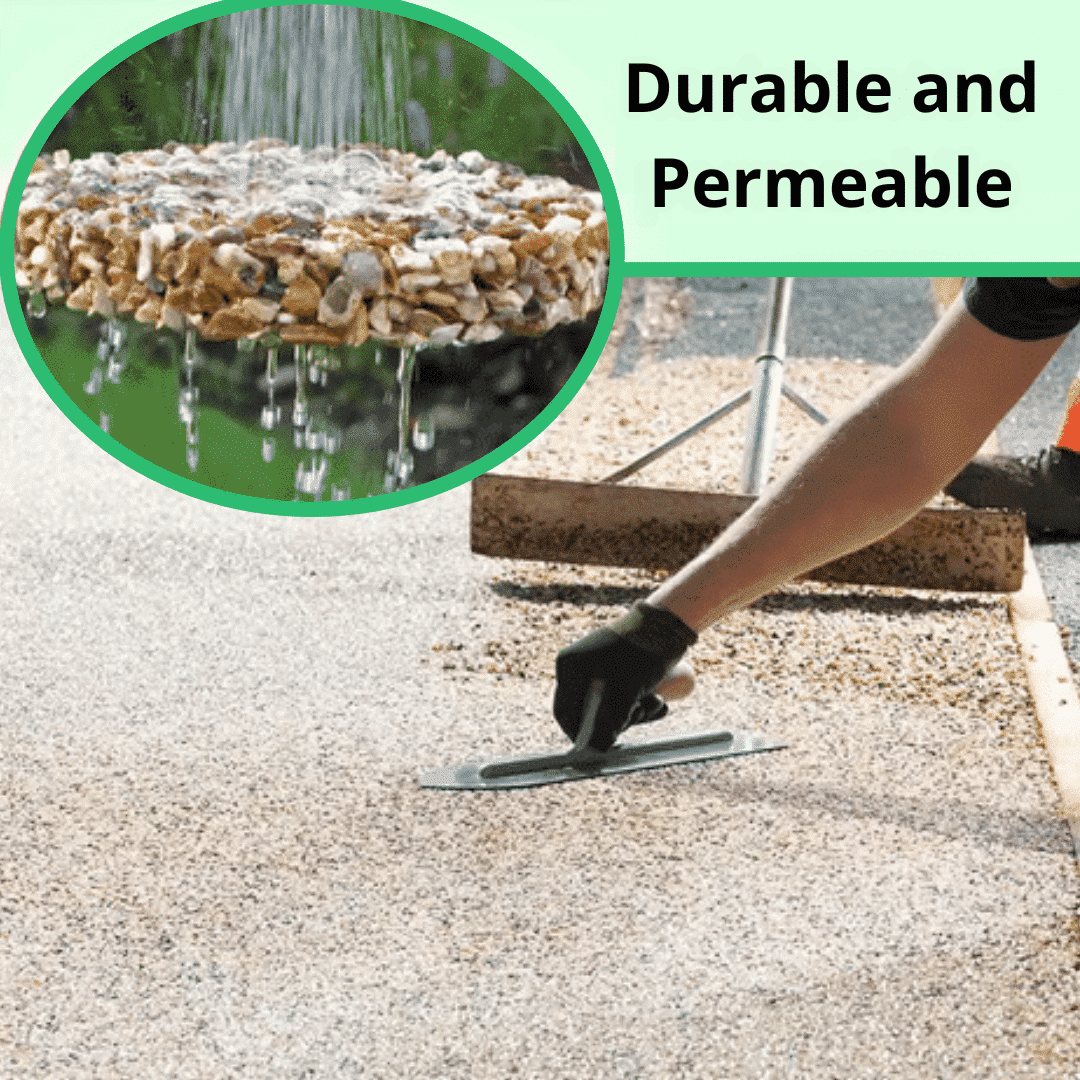
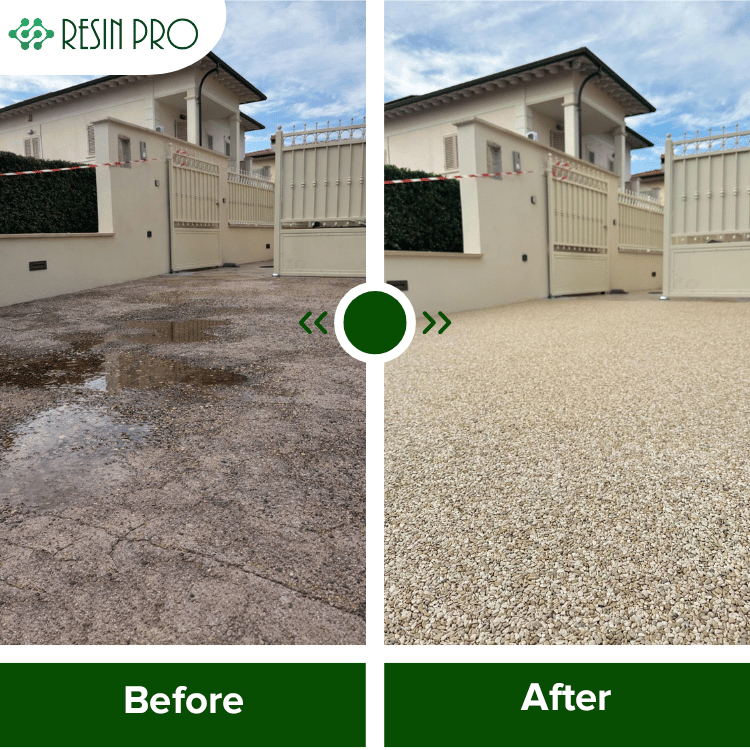
Pebble-resin kits are traditionally designed for external surfaces, such as driveways and patios. However, their unique characteristics can offer advantages for certain indoor environments—like bathrooms—where water drainage and slip resistance are key concerns.
Benefits of Using Pebble-Resin Kits Indoors
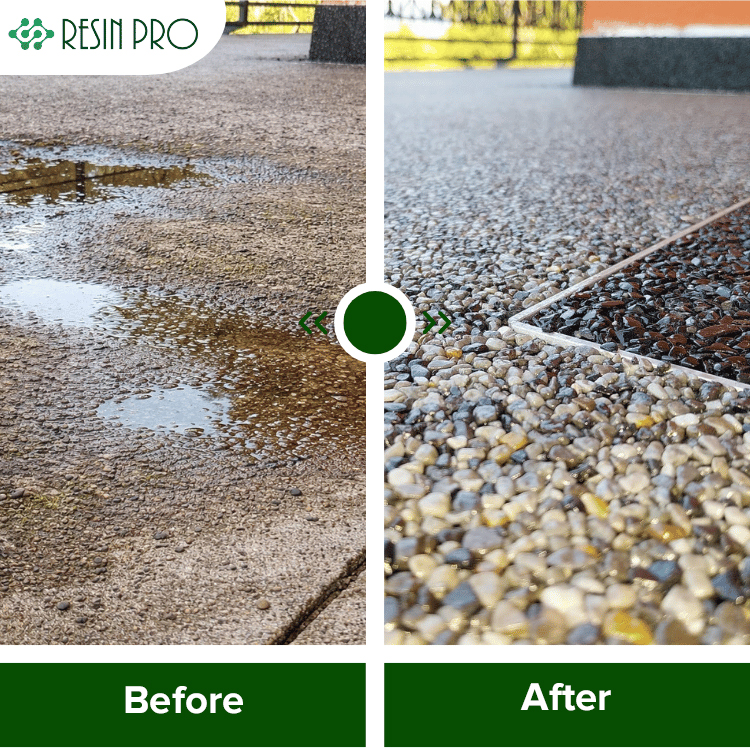
If you’re looking for a bathroom floor that tackles puddling and improves grip, a permeable pebble-resin surface is worth considering. These kits allow water to pass through the surface, reducing standing water and lowering the risk of slips. The natural texture of the pebbles can also add a tactile, spa-inspired look to your bathroom, making it visually distinctive compared to standard tiles or vinyl.
Installation Tips and Practical Considerations
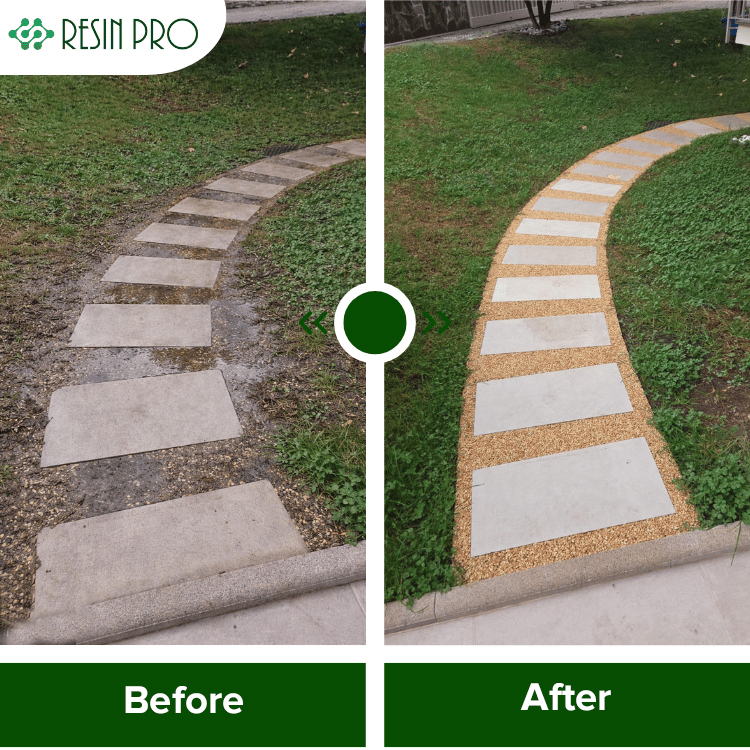
Installation of pebble-resin flooring indoors is similar to outdoor application but requires a few extra steps. Since these kits are engineered for water permeability, it’s wise to ensure your subfloor has suitable drainage or a gentle slope towards a drain. Proper sealing at wall edges prevents unwanted seepage. Always follow the supplier’s instructions for mixing and applying the resin and pebbles. For ease of use, the Flowstone Complete Permeable Floor Kit with Pebbles and Resin offers step-by-step guidance, making it approachable for DIYers.
When This Matters
A permeable pebble-resin floor is particularly beneficial if your bathroom is frequently used by children, older adults, or anyone who values slip-resistant, low-maintenance surfaces. It’s also ideal in wet rooms or bathrooms where enhanced water management is essential.
Related products
Related guides
Considering a pebble-resin floor for your bathroom combines stylish texture with practical slip resistance and drainage. For more details on choosing the right quantity for your space, visit our main guide on resin flooring in a 3×3 bathroom.