 Free shipping on orders over £29,85
  Shipping Tracking!


 Google
 Facebook
← Back to How to Make a Wood and Resin Table
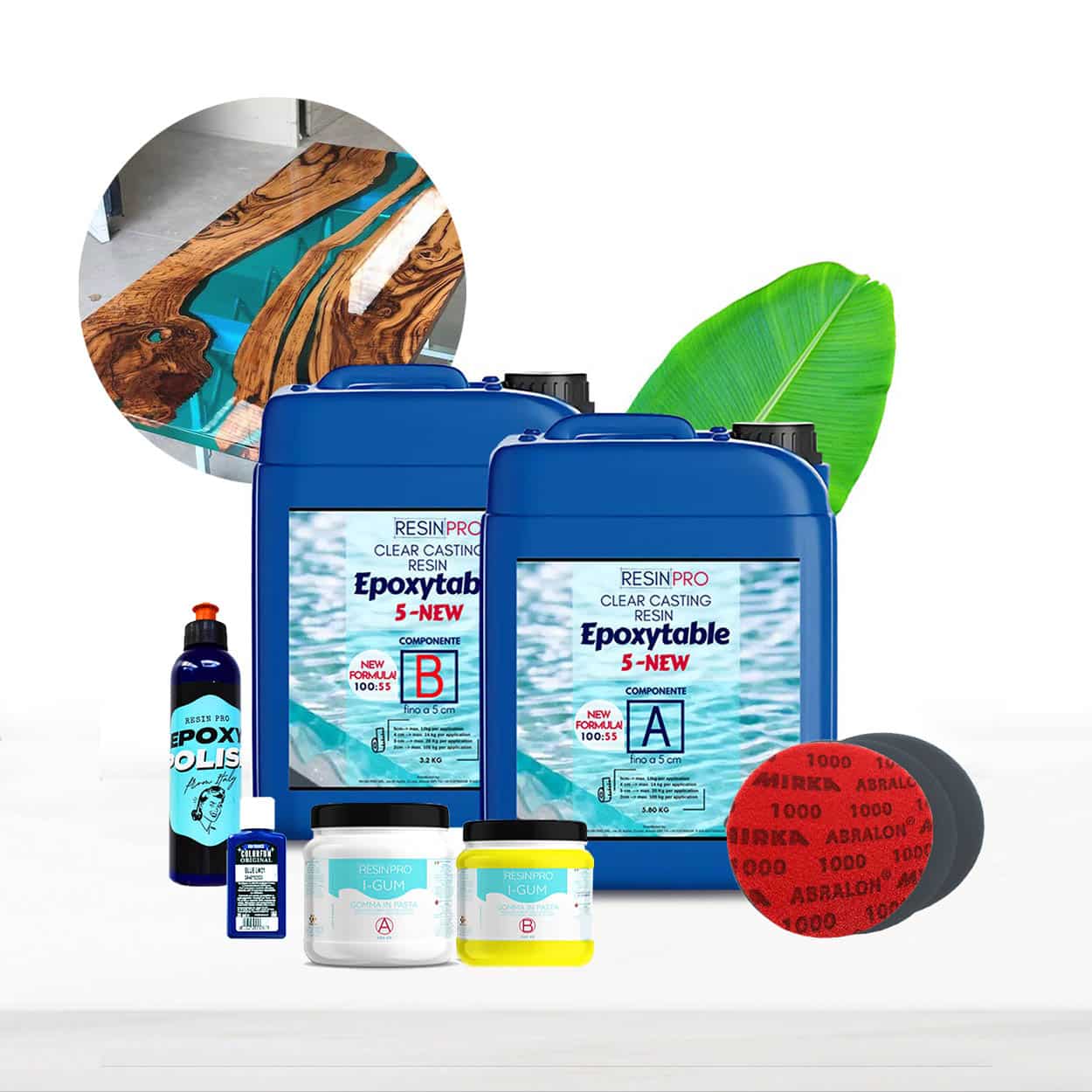
If you’re aiming for eye-catching finishes, adding pigment to your resin is a creative way to bring unique colour and style to your wood and resin table project.
How to Add Pigment to Epoxy Resin
It’s easy to blend pigment into epoxy resin to achieve vibrant or subtle colour effects. Start by carefully measuring your resin and hardener, then add your chosen pigment – powders, pastes or liquid dyes can all work depending on the effect you want. Stir the mixture steadily until the pigment is fully blended for a consistent result. Ensuring even coverage prevents streaks or uneven colour patches.
Choosing Pigment Types and Application Tips
Epoxy pigments come in many forms including metallic, opaque and translucent options. For striking river table designs, metallic or pearl pigments are popular, while solid colour pigments can help you achieve a bold, modern look. Complete kits often include a starter set of pigments, which makes it simple to experiment with different hues and combinations. Always check compatibility with your resin, and add pigment sparingly at first – a little goes a long way.
When Pigment Matters Most
Pigment becomes crucial when you want your resin table to stand out or to match a specific decor scheme. It’s also useful for disguising minor imperfections in the wood or casting. For projects where clarity and depth are key, such as deep pours, opt for high-quality pigments that won’t cloud the resin.
Related products
Related guides
Incorporating pigment into your resin opens up endless design possibilities for your wood and resin table. For more advice on selecting materials or step-by-step making guidance, see our main guide on how to make a wood and resin table.