 Free shipping on orders over £29,85
  Shipping Tracking!


 Google
 Facebook
← Back to How is polyolefin resin obtained?
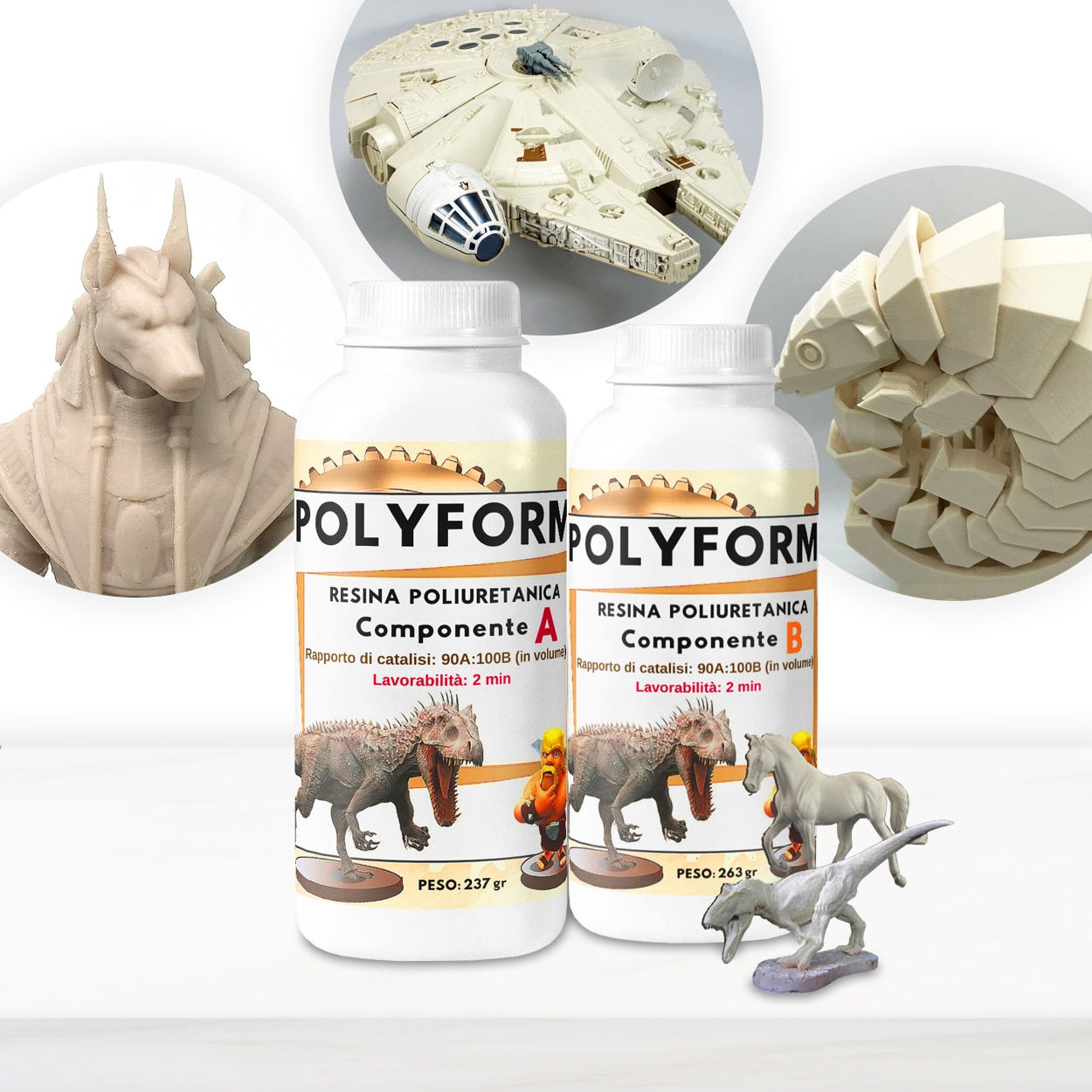
Model casting demands materials that deliver precision, speed, and detail. If you’re considering polyolefin resin for this purpose, here’s what you need to know to achieve the best results for your project.
Why Polyolefin Resin Isn’t the Top Choice for Casting
Polyolefin resin, despite its useful qualities in other applications, is generally not selected for casting models. The main reason is that it lacks the fast curing and exceptional detail capture required by most model making projects. Other materials, like polyurethane and epoxy resins, consistently outperform polyolefins when it comes to creating intricate shapes and demoulding quickly.
Proven Alternatives for Model Casting
For accurate, detailed, and speedy model production, polyurethane resins offer outstanding performance. Fast-setting products like Polyform Polyurethane Casting Resin solidify in minutes and capture fine details from silicone moulds. Epoxy resins also provide excellent results, especially for projects that need a durable and glossy finish. If you wish to colour your casting or need a white base, specialised formulas such as IWhite Polyurethane Casting Resin are available to suit your creative needs.
Tips for Better Model Casting Results
- Choose the right resin: Opt for polyurethane or epoxy designed for casting, not general adhesives or coatings.
- Follow safety guidelines: Use gloves and eye protection when working with uncured resin components.
- Work at recommended temperatures: Avoid casting in cold environments, which can affect cure times and final strength.
When This Matters
If you need detailed models for prototyping, jewellery, or small batch production, the resin choice directly affects your workflow and outcome. Using unsuitable materials like polyolefin can result in poor definition and longer production times.
Related products
Related guides
In summary, while polyolefin resin plays a valuable role in manufacturing, choosing specialist casting resins ensures your models meet both creative and technical requirements. For more on how these materials are produced and their uses, visit our main guide on how polyolefin resin is obtained.