 Free shipping on orders over £29,85
  Shipping Tracking!


 Google
 Facebook
← Back to How many litres of resin are needed for 50 square metres?
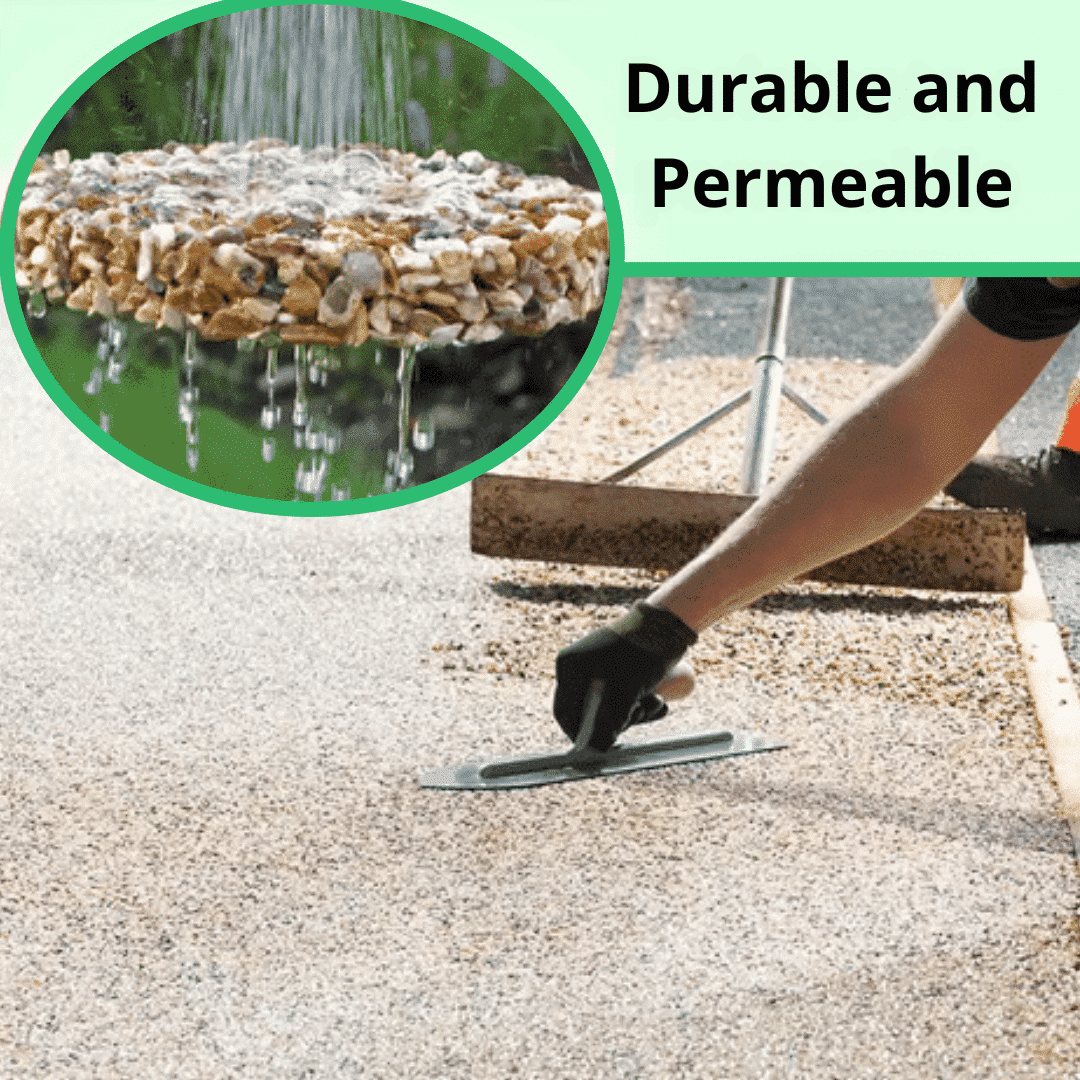
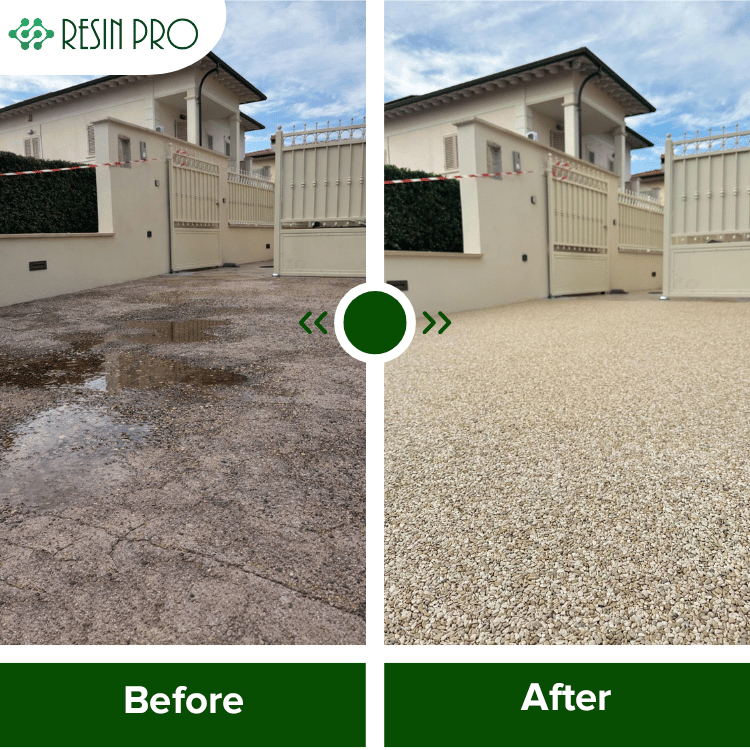
If you’re considering a permeable floor for your outdoor area, it’s essential to ensure you use materials that support effective drainage. Here’s what you need to know about resin choices for these specialist surfaces.
Why Standard Epoxy Isn’t Suitable
Permeable floors are designed to let rainwater flow through their structure, preventing pooling and helping manage surface water. Standard epoxy resin, however, creates a solid, impermeable layer that blocks drainage, causing water to sit on the surface. To achieve true permeability, a combination of carefully selected aggregates and a purpose-made resin binder is needed—standard epoxy simply cannot provide the draining properties required.
Specialist Resin Systems for Permeable Surfaces
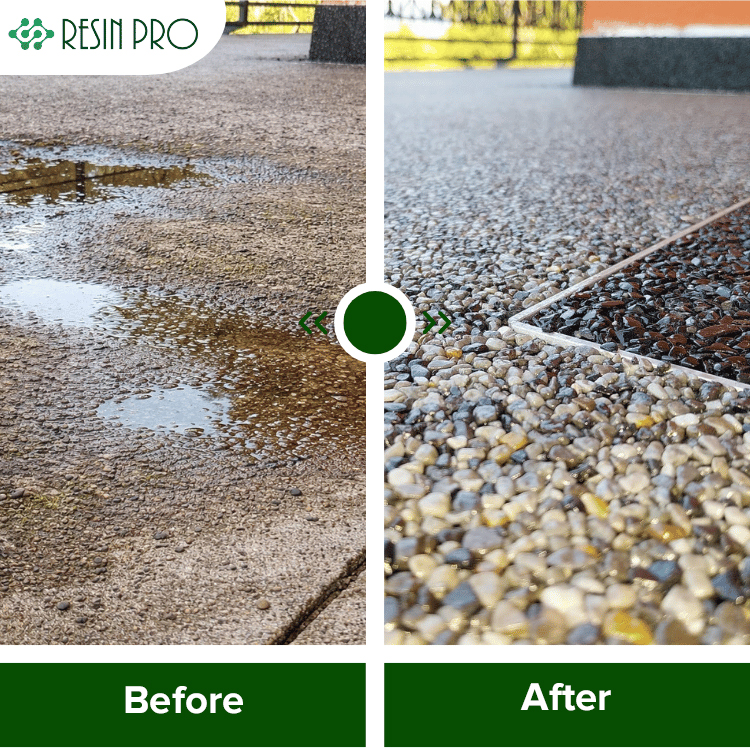
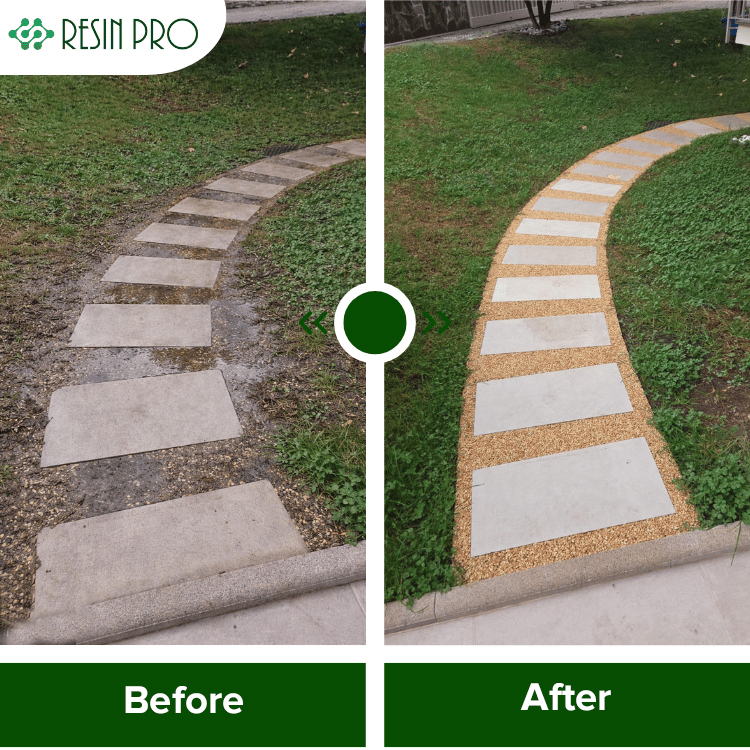
For permeable floors, it’s advisable to use a specialist kit such as the Flowstone Complete Permeable Floor Kit. These systems mix resin binders with aggregates, allowing water to pass freely between the granules. When using coloured or dark stones, opt for a low-yellowing epoxy binder specifically formulated for permeable surfaces. The resin and aggregate are blended before application to ensure a stable, durable result that maintains its drainage capacity over time.
Practical Considerations for Your Installation
Successful installation depends on thorough mixing and compacting to ensure stability while retaining permeability. Choosing the correct resin for your aggregate colour is also important: white stones may require a non-yellowing polyurethane, whereas coloured stones suit a low-yellowing epoxy. Step-by-step instructions are usually included with permeable floor kits, making them user-friendly for DIY projects and professionals alike.
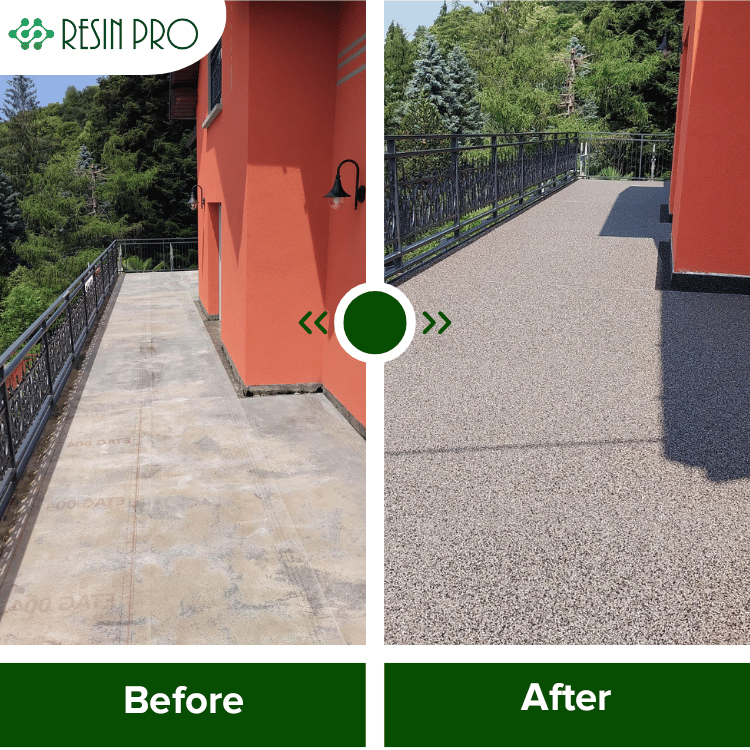
When This Matters
- Driveways and footpaths: Areas needing rapid rainwater dispersion benefit from permeable resin systems.
- Patios and urban spaces: Installing permeable floors prevents puddles and helps reduce local flooding risks.
Related products
Related guides
Selecting the correct resin binder is crucial for a functional and durable permeable floor. For more guidance and information on resin requirements for your project, visit our main page on resin quantities and surface planning.