 Free shipping on orders over £29,85
  Shipping Tracking!


 Google
 Facebook
← Back to How to prevent resin from leaking from the cut?
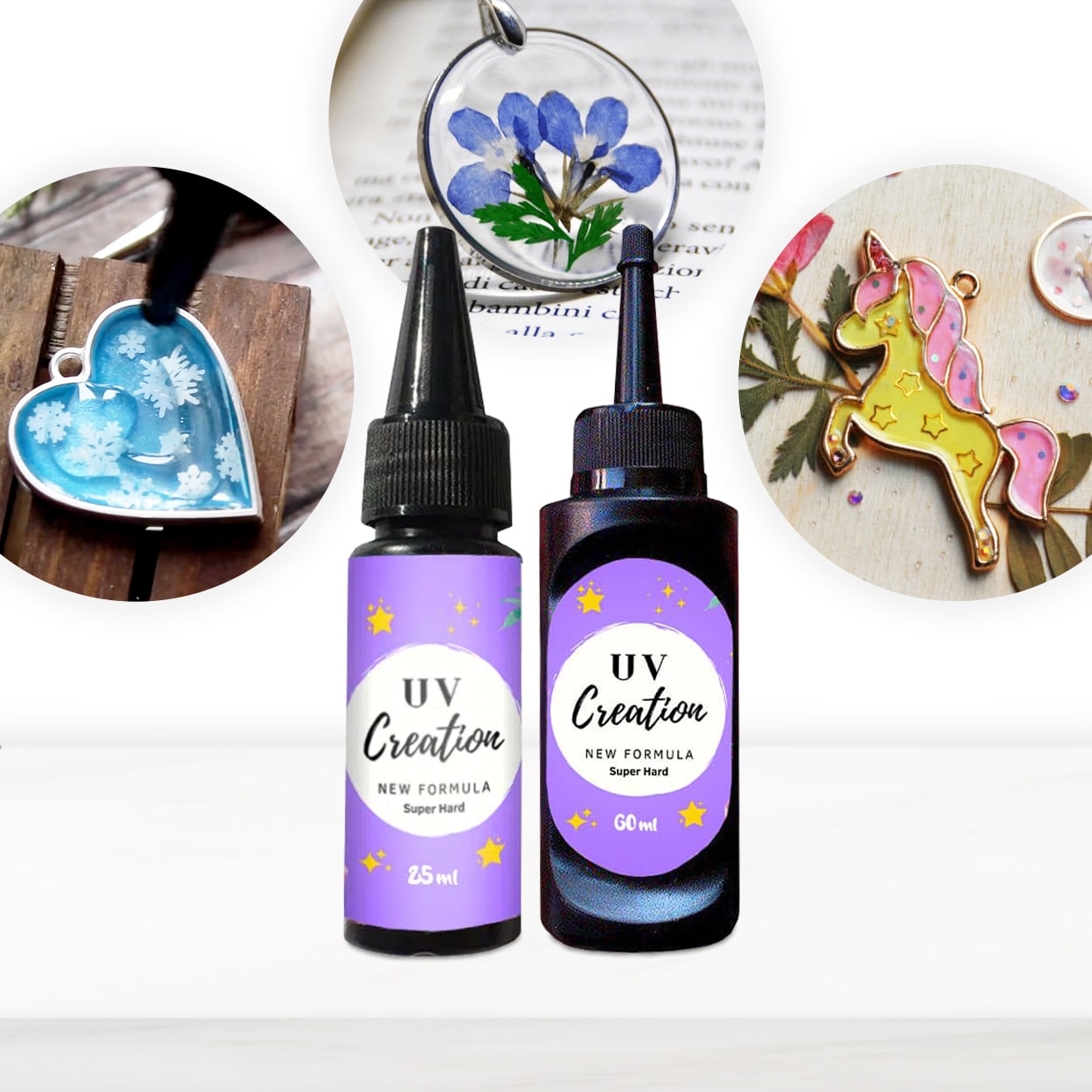
Sealing small gaps or cracks in your project is essential to prevent leaks and ensure a smooth, professional finish. UV resin is a popular choice for quick patching, but is it effective for this task?
How UV Resin Works for Sealing
UV resin cures rapidly when exposed to UV light, transforming from liquid to solid in just a few minutes. This fast-curing property makes it ideal for pre-sealing small gaps or cracks, especially in jewellery, crafts, and light project repairs. The precise application and hard setting can help prevent main resin pours from leaking through minor imperfections.
Practical Tips for Application
- Apply the UV resin sparingly to the gap or crack, using a fine-tipped applicator for accuracy.
- Directly target the resin with a suitable UV lamp, ensuring full coverage to avoid uncured sticky spots.
- Keep each application layer thin (generally up to 3 mm) to ensure proper and rapid curing.
- After the gap is sealed and hard, proceed with your main resin pour or decorative layer for the final finish.
Products like UV–Creation Fast Acrylic Resin are specifically tailored for small, precise tasks thanks to their quick setting and simple one-component design.
When This Matters
Using UV resin to seal gaps is particularly helpful when you need to act quickly—such as for emergency repairs, fixing minor errors in a mould, or when your project must remain free of leaks during a main epoxy pour. It’s also ideal for jewellery makers and crafters who value swift results without mixing components.
Related products
Related guides
Employing UV resin for sealing gaps is a straightforward way to protect your projects and prevent unwanted resin leaks. If you’re looking to control resin flow in your creative work, explore more solutions on our parent resin leak prevention guide.