 Free shipping on orders over £29,85
  Shipping Tracking!


 Google
 Facebook
How to prevent resin from leaking from the cut?
Techniques to seal edges and achieve flawless resin casts


Preventing resin from leaking out of cuts, edges, or gaps is crucial for achieving pristine results—whether pouring art panels, jewellery, or restoring wood. This guide explains proven methods to control resin flow, reduce wasted material, and ensure defined, clean project lines with every pour.
What You’ll Need
- “Art Pro Deluxe” – Ultra-High Viscosity Epoxy Resin for Artists: Ultra-high viscosity resin designed to limit resin flow from cuts, ideal for precise resin art and sharp line definition.
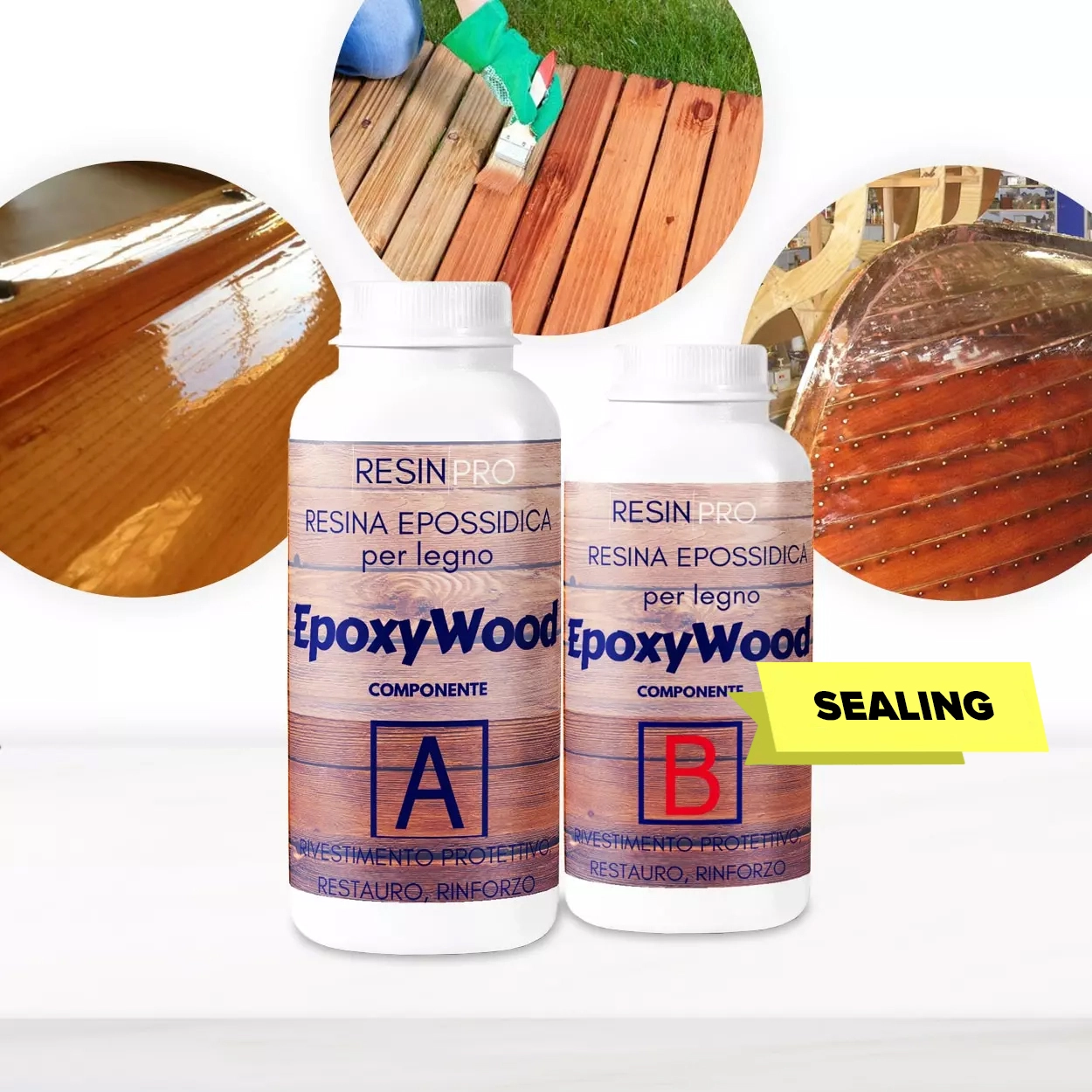
- “EpoxyWood” – Wood Restoration Epoxy Resin for Deep Penetration and Waterproofing: Excellent for repairing, sealing and strengthening wood before resin work.
- “I–Gum” – Non-Toxic Silicone Putty for Mould Making: Flexible, non-stick barrier maker for framing or plugging gaps.
- “UV–Creation” – Fast Acrylic Resin, 3 Minute UV Cure: For quickly sealing small areas and open spaces before main pours.
- Masking tape (high-quality, solvent-resistant)
- Mixing sticks, nitrile gloves, and a flat work surface

Visual Guide: Creating Leak-Proof Barriers
See how to shape silicone putty and apply tape to form durable, custom barriers before each pour. Notice the flush seal at the cut edge—minimising resin leakage is all about careful barrier work.
I–Gum – Non-Toxic Silicone Putty for Mould Making lets you adapt to any shape or surface easily.

Step 1: Prepare and Clean the Area
Cleaning is vital to ensure resin bonds well and does not find unnoticed escape routes. Begin by thoroughly wiping the surface around all cuts and edges to remove dust, grease, and debris. Check for tiny splits or pinhole gaps where resin might travel.
If you are working with wood that has cracks or natural crevices, consider pre-sealing with “EpoxyWood” – Wood Restoration Epoxy Resin for Deep Penetration and Waterproofing. This strengthens and waterproofs the surface, reducing seepage risks in subsequent pours.
Step 2: Seal Edges and Gaps with Barriers
Seal all potential escape points using either silicone putty, masking tape, or both. For irregular or tricky shapes, “I–Gum” – Non-Toxic Silicone Putty for Mould Making is ideal. Press and shape the putty firmly over the cut or edge, ensuring a tight, leak-proof fit without air bubbles underneath.
For flat or simple shapes, tightly applied masking tape can also prevent leaks. Overlap tape edges slightly, and press them down securely to the surface. Let the tape or putty adhere for a few minutes before proceeding.
Step 3: Choose and Mix the Right Resin
Selecting the correct resin type makes a substantial difference. Choose a thicker resin formula for open pours or areas prone to leaks. “Art Pro Deluxe” – Ultra-High Viscosity Epoxy Resin for Artists is specifically designed for controlled flow, minimising the chance of resin seeping out from cuts or edges.
Always follow the manufacturer’s mixing recommendations. Mix slowly to avoid excess bubbles, and only prepare as much resin as you are ready to apply immediately, as variable viscosity (thickness) can affect how well it seals as it begins to cure.

Step 4: Pour and Level Carefully
Work on a flat, levelled surface to ensure even resin distribution and reduce pressure around the cut or edges. Start with a thin pour to check for leaks—this ‘test’ layer can seal minor gaps you may have missed.
If you spot leaks after your first pour, pause and use silicone putty or tape to reinforce the barrier. Consider using a fast-curing resin like “UV–Creation” – Fast Acrylic Resin, 3 Minute UV Cure to patch minor spots before proceeding with the full pour.
Step 5: Allow for Gradual Curing and Inspect
Let the resin cure as recommended and inspect your work closely as it sets. Avoid moving the piece until fully hardened, as shifting can breach your barriers and invite leaks. Allow tape or barriers to adhere firmly for at least the first 2 hours of cure time.
Once semi-cured, carefully peel back tape or putty. A well-sealed cut or edge should have clear, crisp lines and minimal overflow. If needed, address slight imperfections by sanding or trimming once the resin is fully hard.
Tips and Common Mistakes
- Ultra-high viscosity helps control resin flow, but using too much pressure can push resin past even well-set barriers.
- Double-check corners and odd angles—most leaks start here.
- Test with a small quantity first if this is your first try or if working with a new surface type.
- Never remove barriers too early, as resin will still be soft at the edges.
- If leaks occur, act swiftly to block gaps with silicone putty or add an extra layer of tape.
Example Results and Edge Finishing Details
Spot the difference between sealed and unsealed edges in poured resin artworks and casting projects. Well-sealed cuts show clean, precise lines without resin runoff or feathering.
Explore Art Pro Deluxe for razor-sharp finishes in advanced resin art.

- "Art Pro Deluxe" – Ultra-High Viscosity Epoxy Resin for ArtistsPrice range: £33.85 through £287.85"Art Pro Deluxe" ultra-high viscosity epoxy resin is suited for artists seeking precise control, offering a clear, self-levelling, scratch-resistant…
- "EpoxyWood" – Wood Restoration Epoxy Resin for Deep Penetration and WaterproofingOriginal price was: £64.00.£39.85Current price is: £39.85."EpoxyWood" is designed for wood restoration with deep penetration and waterproofing, suited to the theme of preventing resin leaks from cuts.
 "I–Gum" – Non-Toxic Silicone Putty for Mould MakingPrice range: £22.85 through £99.85"I–Gum" is a non-toxic silicone putty designed for making moulds and frames with epoxy resin and similar materials.
 "UV–Creation" – Fast Acrylic Resin, 3 Minute UV CurePrice range: £7.85 through £59.85UV–Creation is a fast-curing acrylic resin designed for jewellery makers seeking a clear, glossy finish with no mixing required.
Frequently Asked Questions
Why does resin leak from cuts and edges?
Resin leaks occur when there are gaps, insufficient barriers, or low-viscosity resins that flow easily. Preventing leaks requires careful barrier application and choosing the right resin.
What are the best barriers to stop resin leaking?
Silicone putty and solvent-resistant masking tape provide excellent seals for most projects. Always ensure a firm and uniform application before pouring resin.
Does high-viscosity resin leak less than thin resin?
Yes, high-viscosity resins are thick and stay in place better, minimising the risk of leaking from cuts or edges during pours.
Can I use UV resin to seal gaps?
You can use fast-curing UV resin to pre-seal small gaps or cracks as a quick patch before the main epoxy pour.
How do I clean up cured resin leaks?
Once cured, resin can be trimmed with a utility knife or sanded. For best results, address issues before full curing.
Do I need mould release on silicone putty?
No, non-stick silicone putties like I–Gum do not require a release agent when forming leak barriers.
What are your top tips for leak-free resin casting?
Use high-viscosity resin, inspect all edges before pouring, and try a test pour first to check for possible leaks.