 Free shipping on orders over £29,85
  Shipping Tracking!


 Google
 Facebook
← Back to How to apply polyurethane resins?
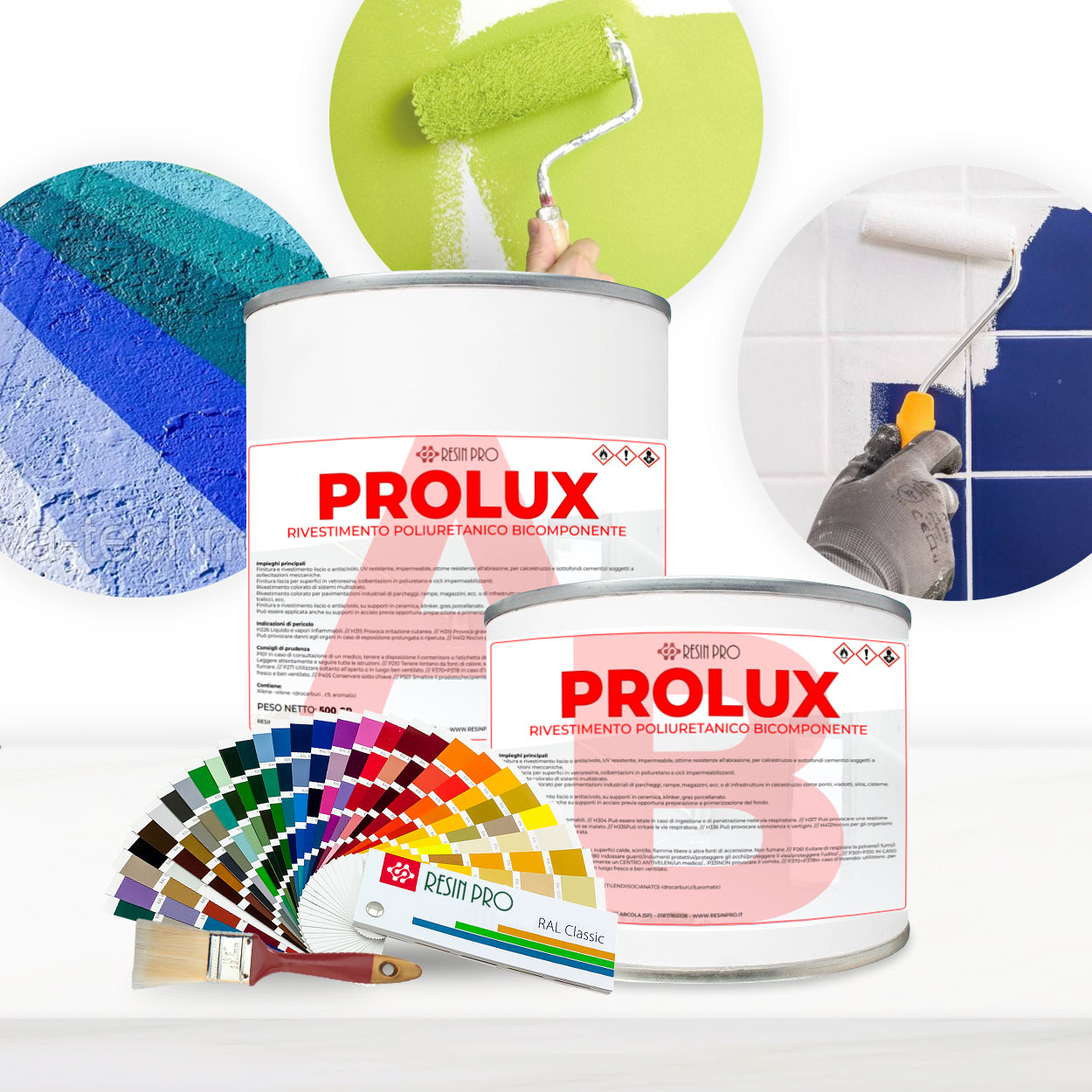
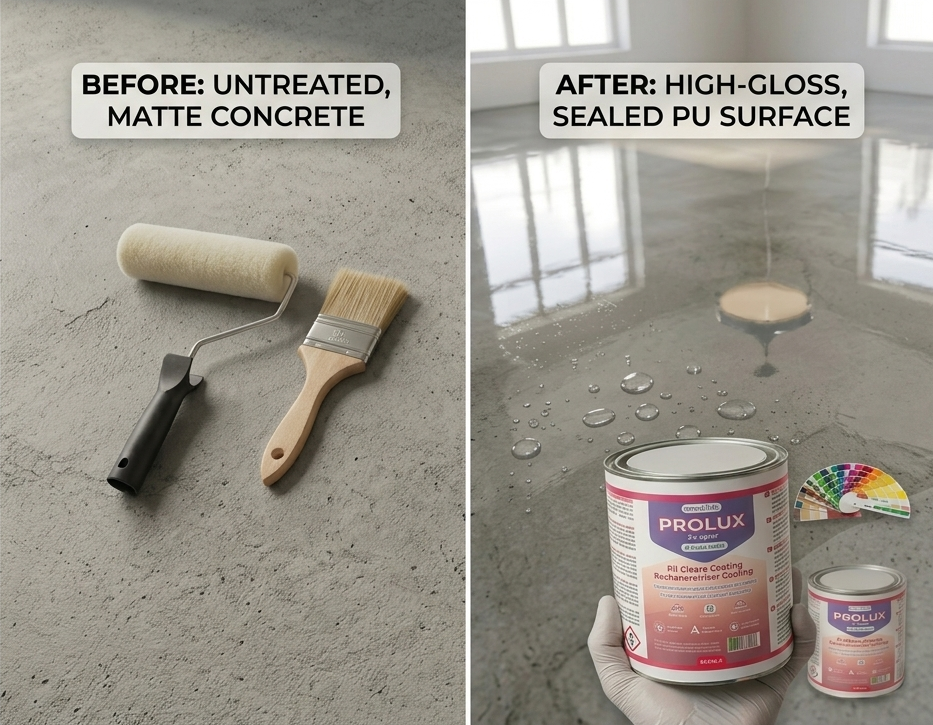
Applying polyurethane resins can enhance and protect a wide range of surfaces. But when temperatures drop, it’s important to consider how the environment will affect your application and final finish. Here’s what you need to know about using polyurethane on cold surfaces.
How Cold Temperatures Impact Polyurethane Application
When polyurethane is applied to a surface that is cold, the curing (or hardening) process slows down considerably. As a result, the coating may take much longer to set, and the final finish could appear cloudy or uneven. Poor curing can lead to compromised durability or adhesion, especially for demanding applications such as flooring or outdoor protective layers.
Recommended Conditions for Best Results
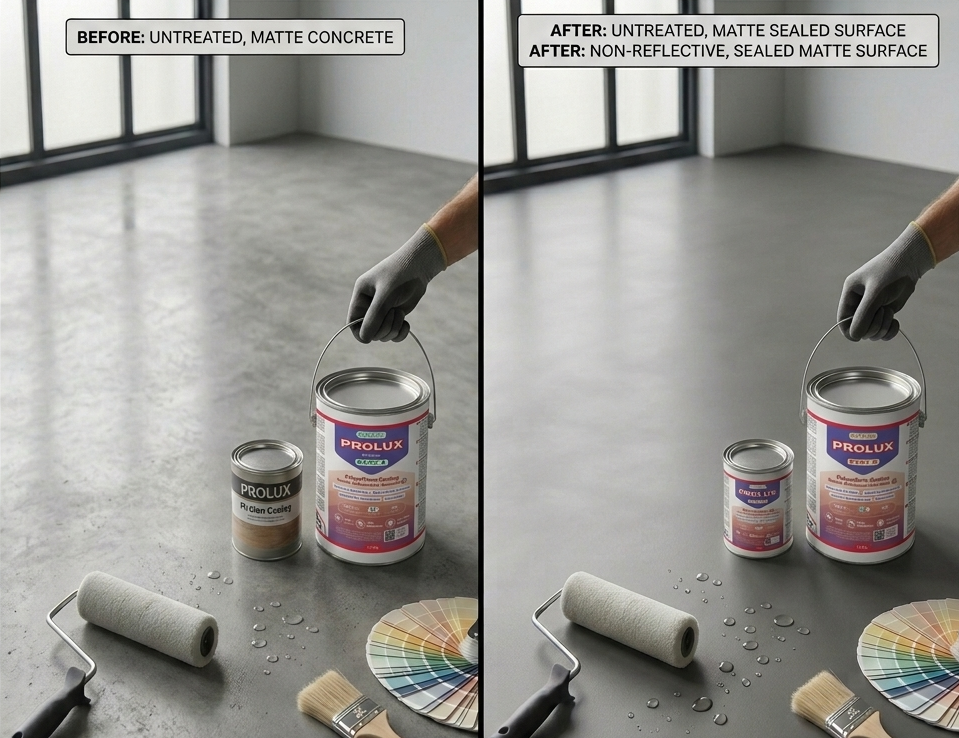
Polyurethane resins perform best when applied at or near room temperature. For example, products like Prolux PU coating are designed to deliver optimal protection and finish quality within their recommended temperature ranges. If you must apply resin in a cooler setting, try to pre-warm both the product and the surface if feasible, or delay application until conditions improve. Always avoid applying to surfaces below 8–10°C.
When This Matters Most
- Outdoor projects: External floors, driveways, or decorative stone surfaces are especially affected by low temperatures.
- High-traffic or load-bearing areas: Applications requiring maximum durability need a properly cured coating.
- Professional appearance: For commercial or visible projects, avoiding cold application ensures a uniform and lasting finish.

Related products
Related guides
For reliable results and a professional standard finish, always apply polyurethane resins in suitable temperature conditions. Want more tips on optimal resin application? See our complete guide on how to apply polyurethane resins.