 Free shipping on orders over £29,85
  Shipping Tracking!


 Google
 Facebook
← Back to How to use resin to seal rubber?
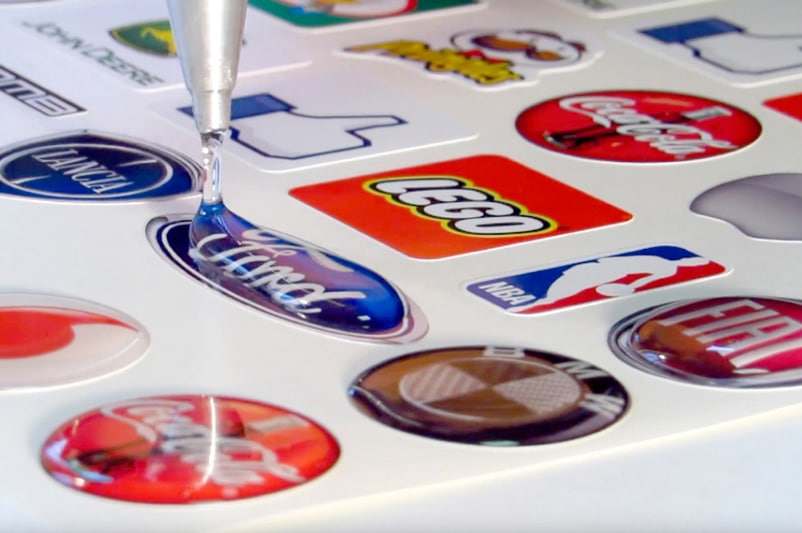
If you are considering sealing or protecting rubber with a resin finish, you may be wondering whether resin will actually stick to rubber surfaces. With correct preparation, resins can indeed form a reliable bond with rubber, opening up flexible and durable coating possibilities.
Preparation: The Key to Strong Adhesion
Before applying resin to any rubber surface, it’s essential to ensure the area is both clean and completely dry. Any oils, dust, or leftover residues will reduce adhesion. Wash the rubber with mild detergent, rinse thoroughly, and allow it to dry. For stubborn residues, a wipe with isopropyl alcohol (making sure the rubber can tolerate it) can help.
Choosing the Right Resin for Flexible Surfaces
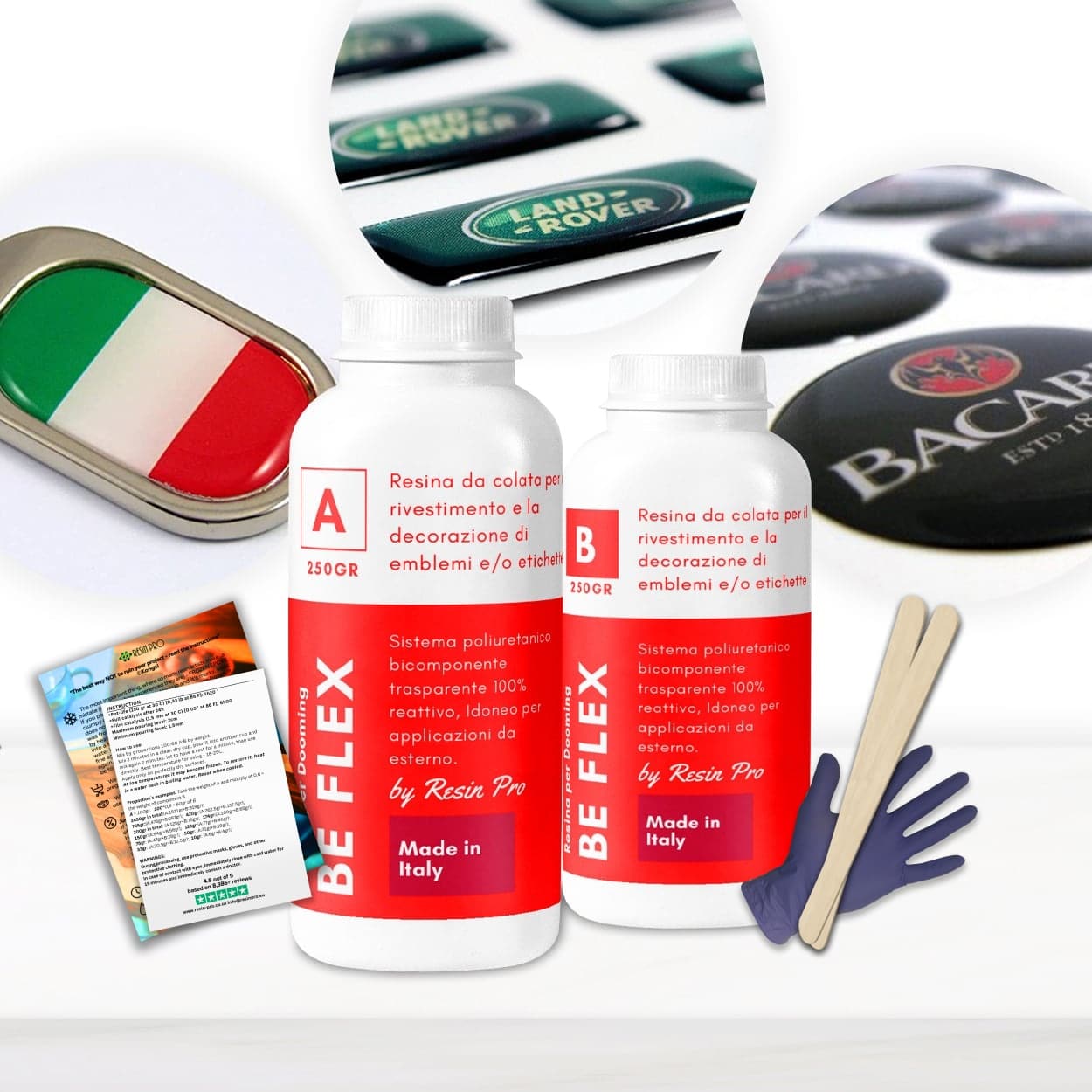
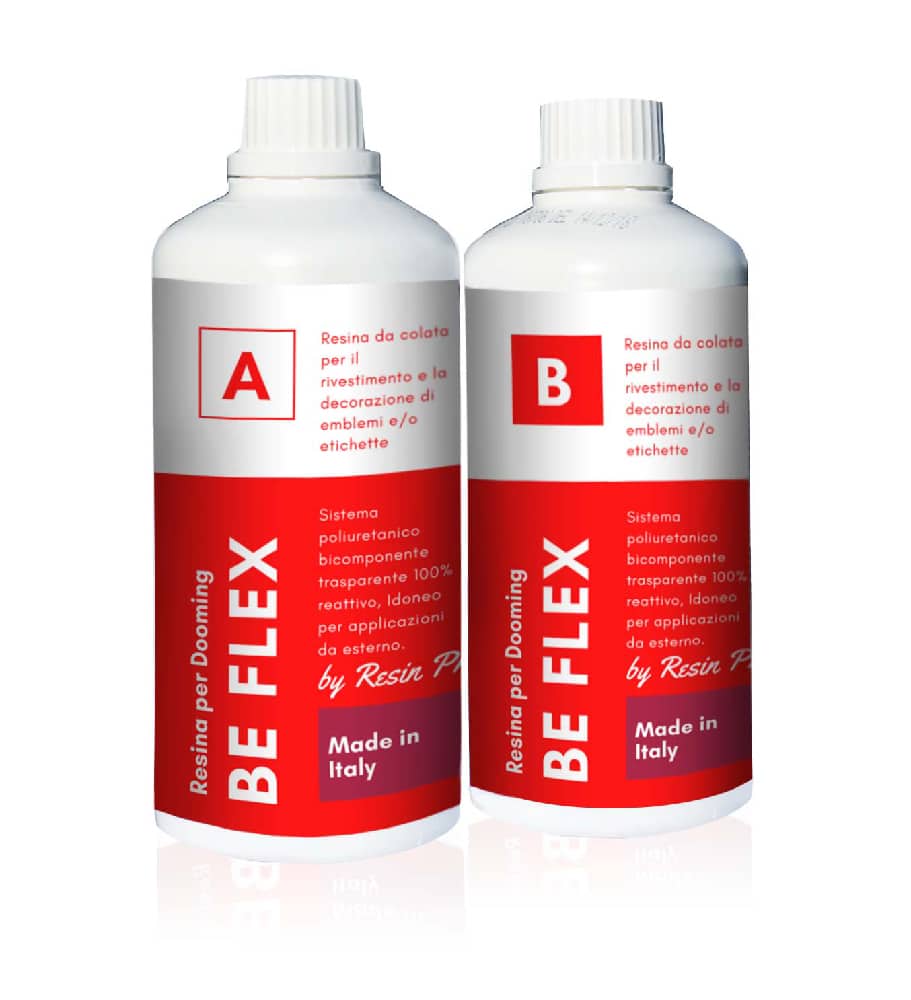
Not all resins are suitable for use on flexible or curved materials like rubber. It’s important to select a resin formulated for flexibility and outdoor durability. For example, the Be Flex Transparent Polyurethane Doming Resin offers a bubble-free, scratch-resistant finish that adheres well to curved and rubberised areas, providing UV and water resistance.
Application Tips for Reliable Results
- Always work in a clean, dust-free environment to prevent imperfections.
- Apply resin in thin, even layers for full coverage and gradual build-up.
- Allow adequate curing time as recommended by the manufacturer before handling.
When Does Resin Adhesion to Rubber Matter Most?
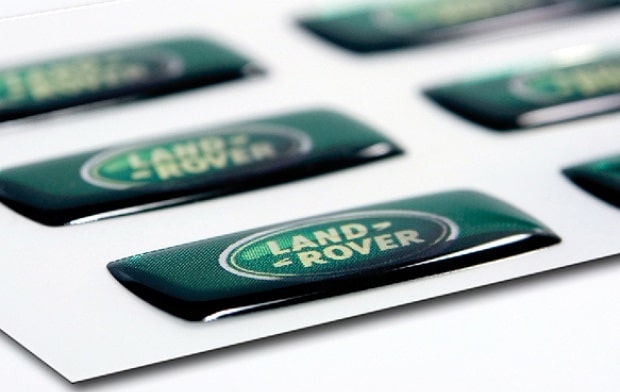
Sealing rubber with resin is particularly useful when protecting badges, labels, or stickers on flexible items. It ensures the underlying material remains shielded against moisture, abrasion, and UV exposure in demanding environments.
Related products
Related guides
With careful surface preparation and the right flexible resin, achieving excellent adhesion on rubber is straightforward—perfect for safeguarding your projects. Explore more tips and advanced techniques in our comprehensive resin-to-rubber sealing guide.