 Free shipping on orders over £29,85
  Shipping Tracking!


 Google
 Facebook
← Back to Is resin a suitable option when tiles are missing?
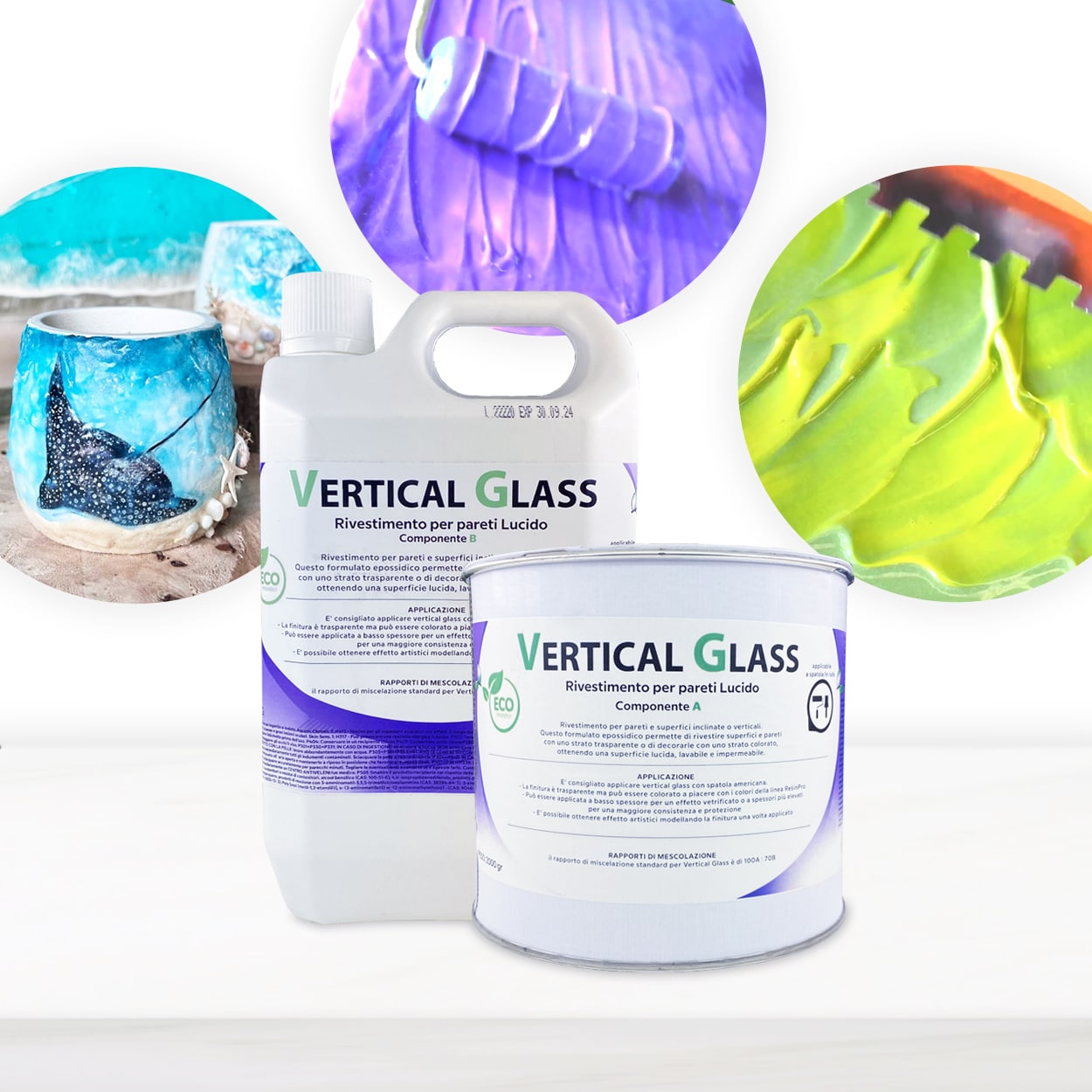
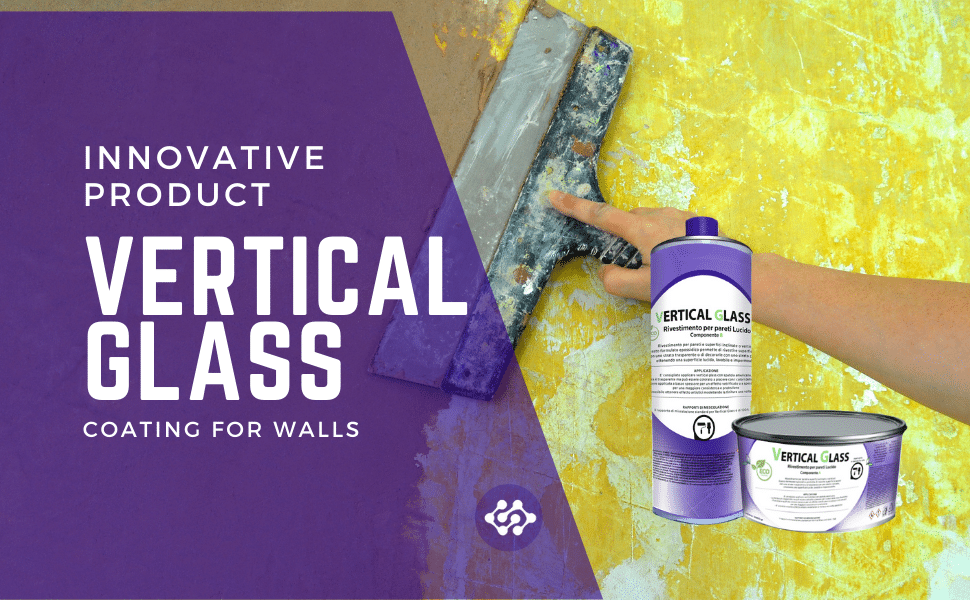
Missing tiles in your home or outdoor spaces can leave unsightly patches and expose surfaces to damage. Resin presents a versatile way to restore these areas, offering a durable and continuous finish on both floors and walls.
How Resin Covers Gaps Left by Missing Tiles
Resin coatings adhere well to a variety of substrates including existing tiles, cement, wood, or bricks. This makes them an effective solution when tiles are missing, as the resin forms a seamless layer that bridges gaps and creates a uniform surface. For wall applications, products such as Vertical Glass resin provide waterproof and decorative finishes that revitalise tiled walls or other surfaces.
Application Tips for a Seamless Result
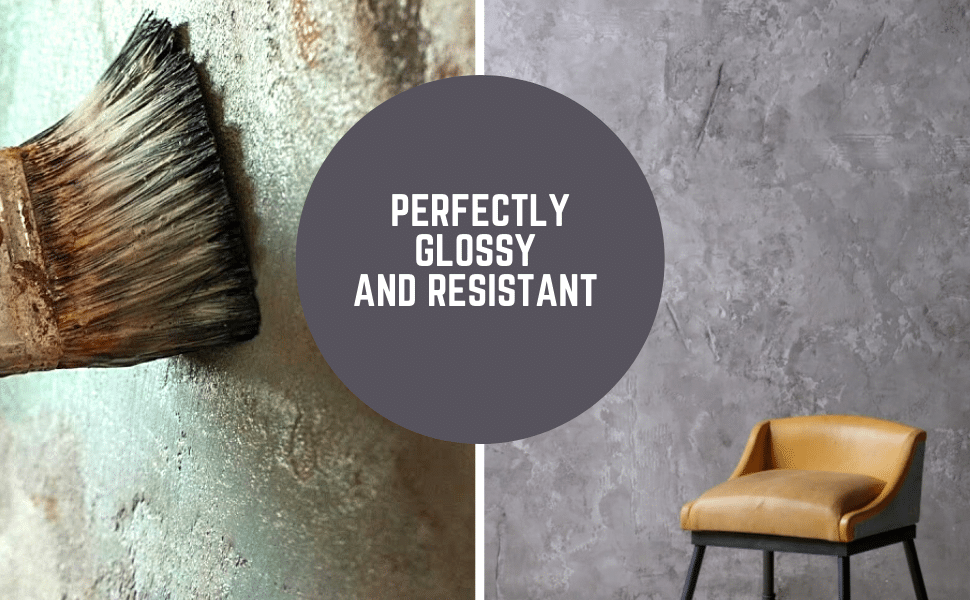
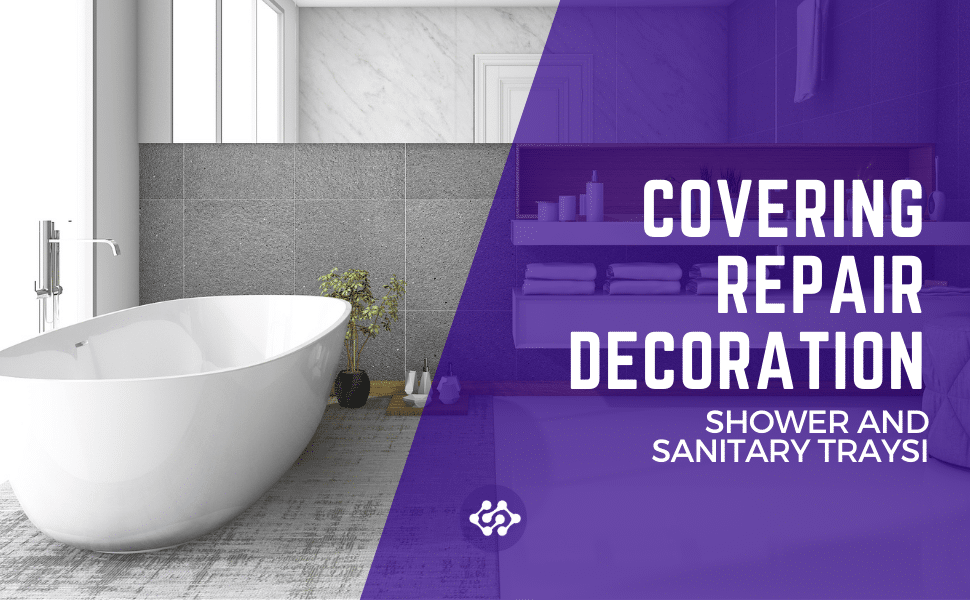
Begin by ensuring the surface is clean, dry, and free of loose debris. Resin can be applied directly over patches where tiles are missing, but uneven areas may need to be filled or levelled beforehand. Many resin systems are formulated to stay in place on vertical and even sloping surfaces, making them suitable for bathrooms, kitchens, or stairways. Always follow the manufacturer’s instructions for mixing and applying the resin, and allow adequate curing time for optimal performance.
When This Matters: Decorative and Functional Upgrades
Resin solutions are particularly valuable in high-moisture or high-traffic areas. They offer not just aesthetic improvement but also added protection against water ingress, stains, and damage. In outdoor settings, resin-based kits like Flowstone combine resin with decorative aggregates, allowing you to upgrade patios or paths where tiles have become unsalvageable.

Related products
Related guides
Repairing areas with missing tiles using resin can be both practical and visually appealing. For further information and more detailed considerations, explore our parent guide on resin as an option when tiles are missing.