 Free shipping on orders over £29,85
  Shipping Tracking!


 Google
 Facebook
← Back to How to install resin coating?
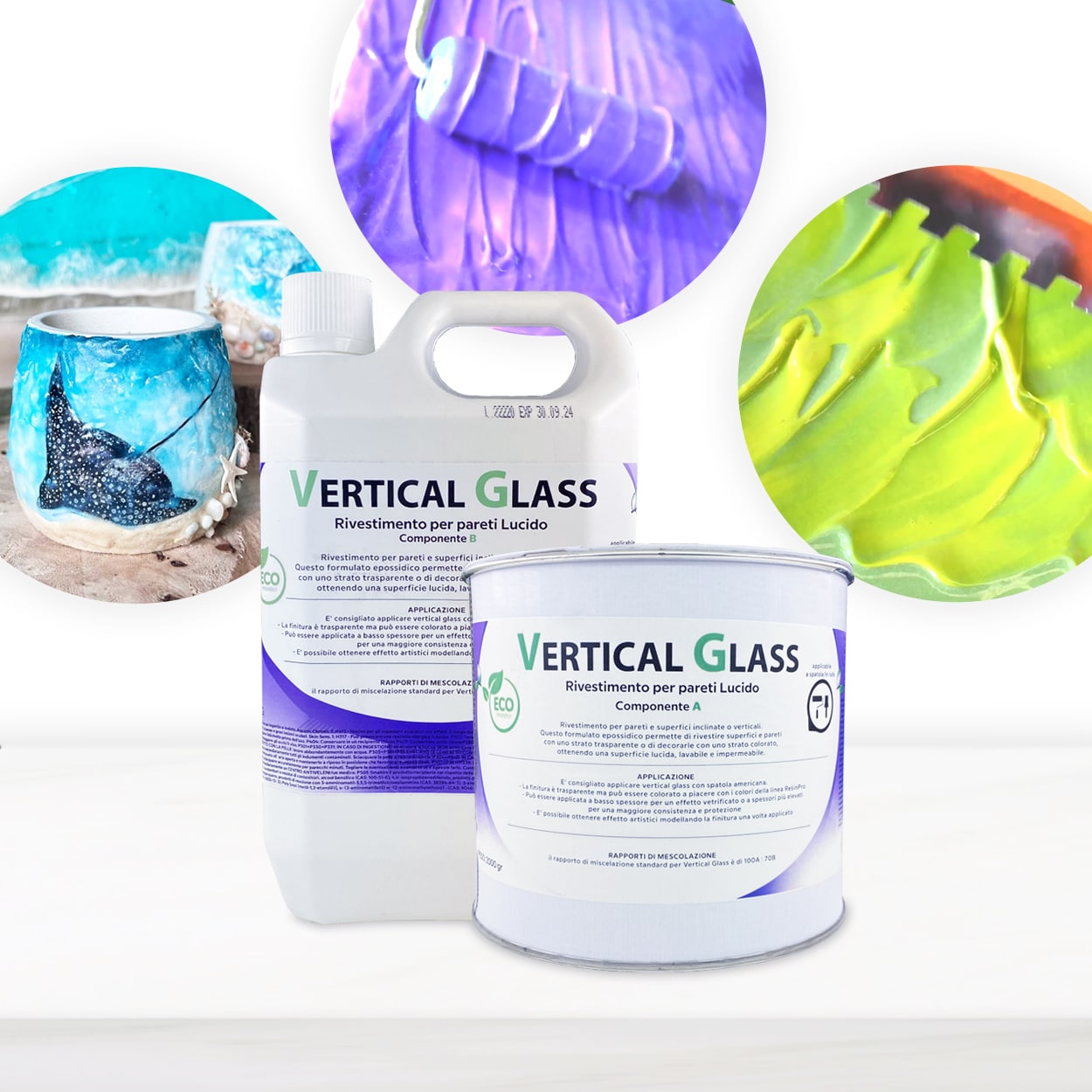
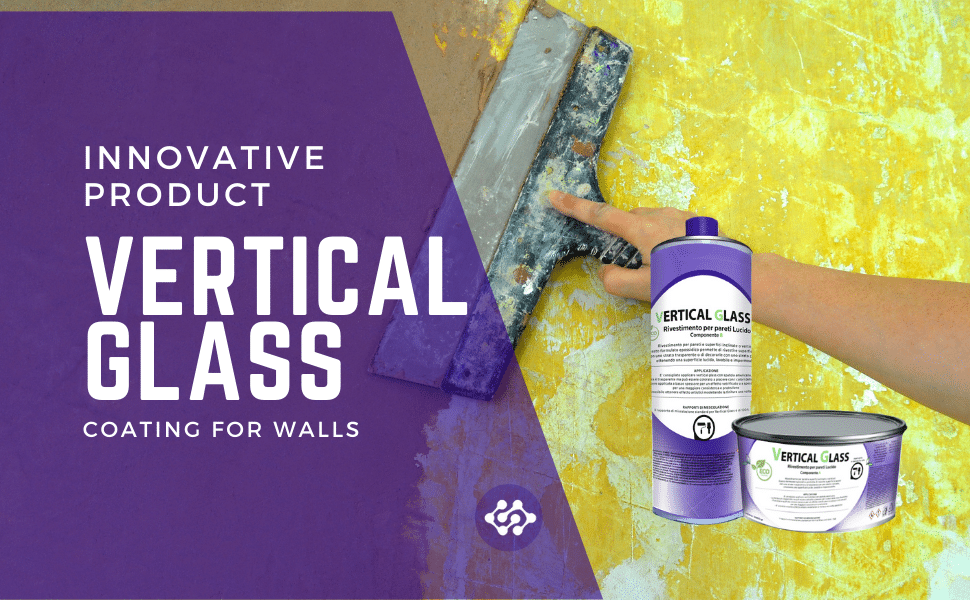
Wondering if a cured resin coating can be sanded or retouched? Some resin systems are designed to allow careful refinishing, making it possible to remedy minor imperfections or update the finish on your decorative surface.
When Sanding Is Possible
Certain resins, such as Vertical Glass, are suitable for light sanding or refinishing after they have fully cured. This feature is ideal if you wish to smooth out small surface flaws, correct application marks, or refresh a slightly dulled area. Always wait the recommended minimum curing time—typically at least 48 hours—before attempting any surface refinishing. Trying to sand too early may distort the finish or cause unwanted marks.
How to Sand and Retouch Resin Finishes
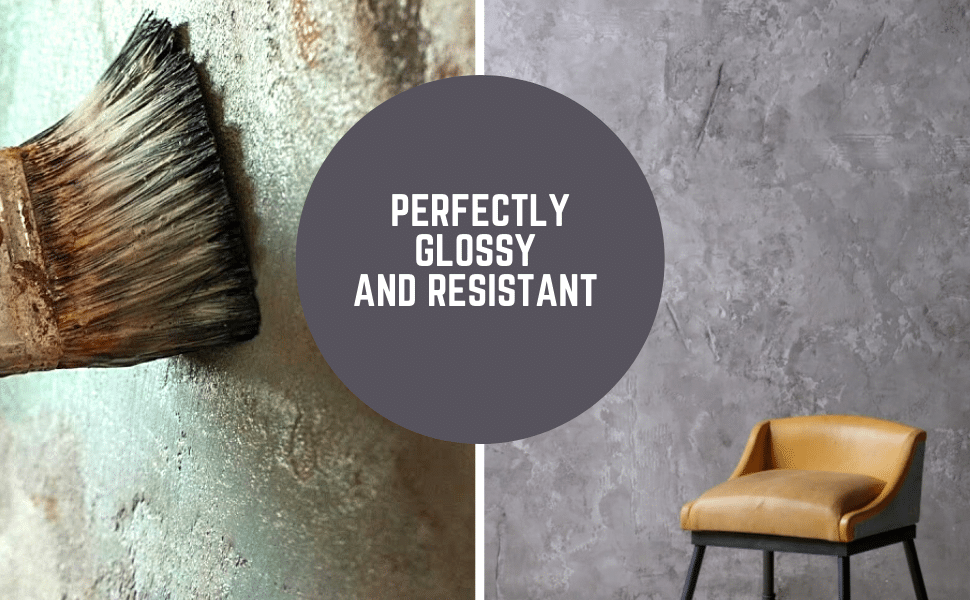
- Begin with very fine sandpaper (of at least 800 grit), gently smoothing only the affected areas. If tackling a glossy finish, work gradually and dampen the sandpaper for best results.
- Thoroughly clean away sanding residue with a tack cloth or microfibre cloth before proceeding.
- After sanding, you may reapply a fresh thin layer of compatible resin or a clear top coat to restore evenness and shine. Always consult the manufacturer’s guidelines for recoating and check the compatibility if using a different product.
When This Matters
Retouching and sanding prove useful for decorative wall installations and feature surfaces where an immaculate finish is important. This approach is a practical way to deal with light marks, surface bubbles, or mild wear on indoor resin coatings applied to tiles, cement, or wood.
Related products
Related guides
With the right resin coating, a flawless finish can be maintained by careful sanding and refinishing. To learn more about initial installation or advanced decorative effects, see our full guide on how to install resin coating.