 Free shipping on orders over £29,85
  Shipping Tracking!


 Google
 Facebook
← Back to how to apply resin enamel to exterior concrete
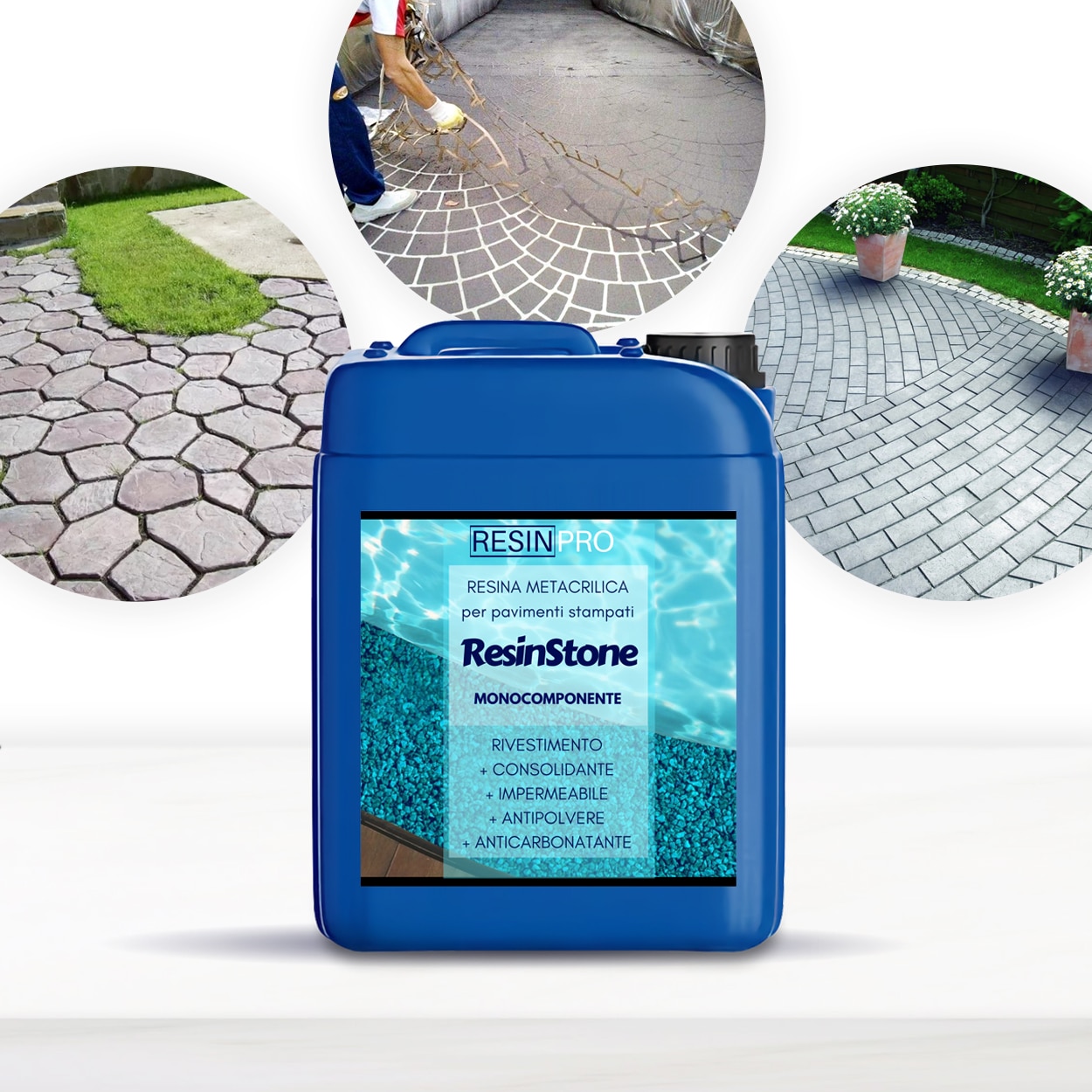
If you are considering refreshing your exterior concrete with resin enamel, the state of your surface is a critical factor. Applying resin over painted or otherwise treated concrete is often problematic—and can drastically impact longevity.
Why Fresh, Untreated Concrete Matters
For resin enamel to perform effectively, it must deeply penetrate the pores of the concrete. Paints, sealers or any previous coatings create a barrier, preventing the resin from bonding securely with the substrate. This can lead to delamination, bubbling, and premature failure of the finish. To ensure the best adhesion and lasting results, only apply resin enamel to clean, absorbent, and untreated concrete.
How to Prepare Your Surface
If your concrete is already painted or sealed, surface preparation is essential. Strip back old coatings using mechanical grinding or effective stripping agents designed for outdoor use. After removal, thoroughly clean the surface—removing all residues, dust, and debris. Only when bare concrete is exposed is it ready for resin enamel application.
Consider using a specialised primer such as Epoxyprimer on absorbent substrates to further aid resin bonding and improve longevity.
When This Matters Most
- Exterior driveways, patios, and walkways: Weather exposure increases the risk of resin failure if applied over old treatments.
- Heavily trafficked zones: Proper adhesion is vital for surfaces subject to footfall or vehicles, as delamination could result in costly repairs.
Related products
Related guides
Ensuring you start with a clean, bare concrete surface will help your resin enamel application yield robust, attractive, and enduring results. For more in-depth advice on outdoor concrete treatments and step-by-step guides, explore our main page on how to apply resin enamel to exterior concrete.