 Free shipping on orders over £29,85
  Shipping Tracking!


 Google
 Facebook
← Back to How do you remove epoxy putty?
Epoxy putty is designed to bond firmly to surfaces, which can make removing it a challenge. Sandpaper is sometimes considered for tackling persistent residue, but care is needed for effective and safe removal.
When to Use Sandpaper on Epoxy Residue
Fine sandpaper can be helpful for smoothing and removing the last traces of cured epoxy after larger chunks have been cleared. It’s best used when only a thin layer remains that cannot be scraped away and the underlying surface is durable enough to withstand gentle abrasion.
- Opt for high-grit (finer) sandpaper to reduce the chance of scratching the base material.
- Work slowly, checking frequently, especially on painted, varnished, or delicate surfaces.
Complementary Tools for Epoxy Removal
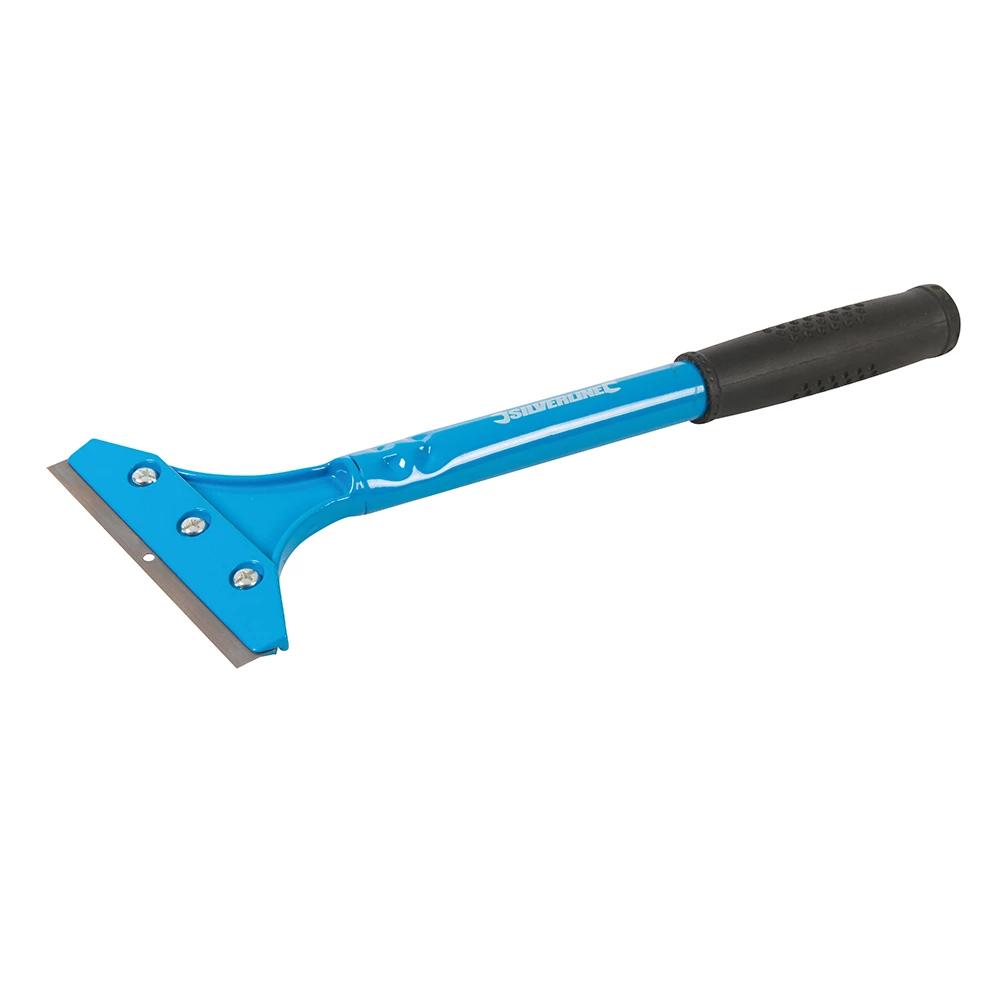
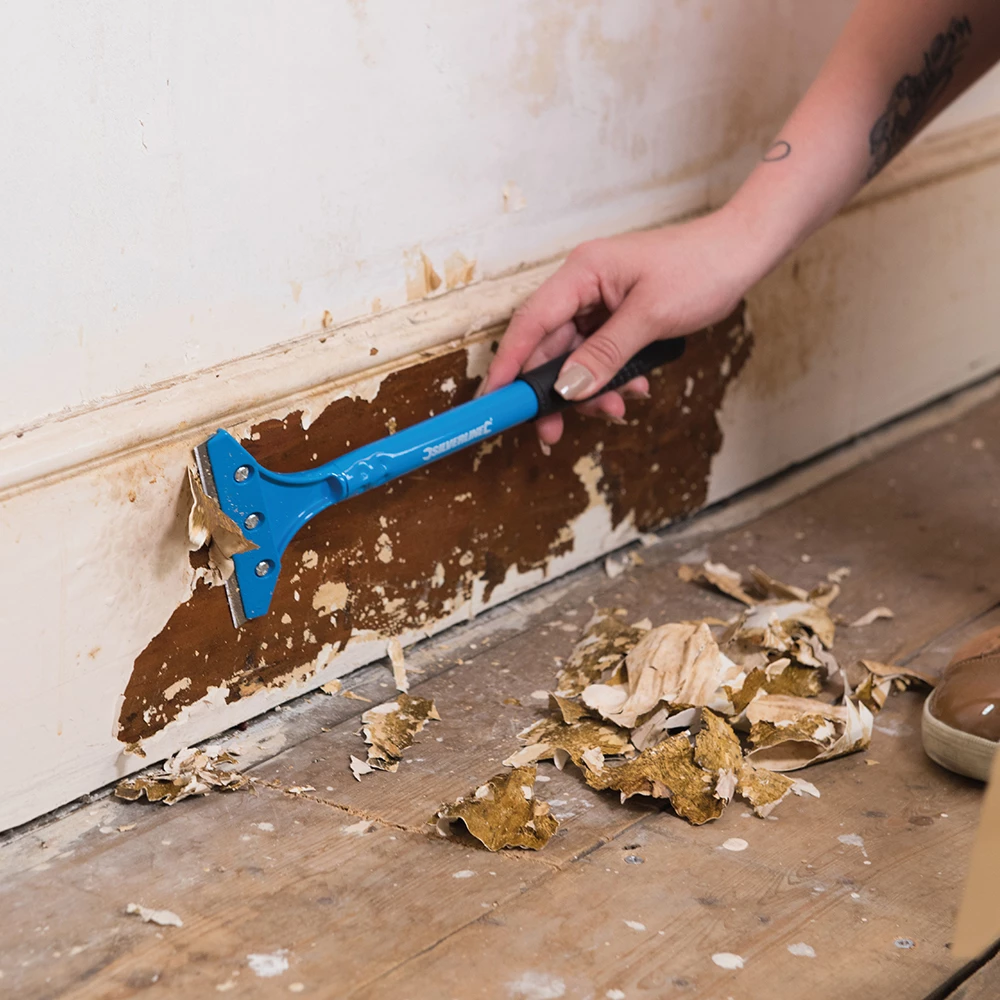
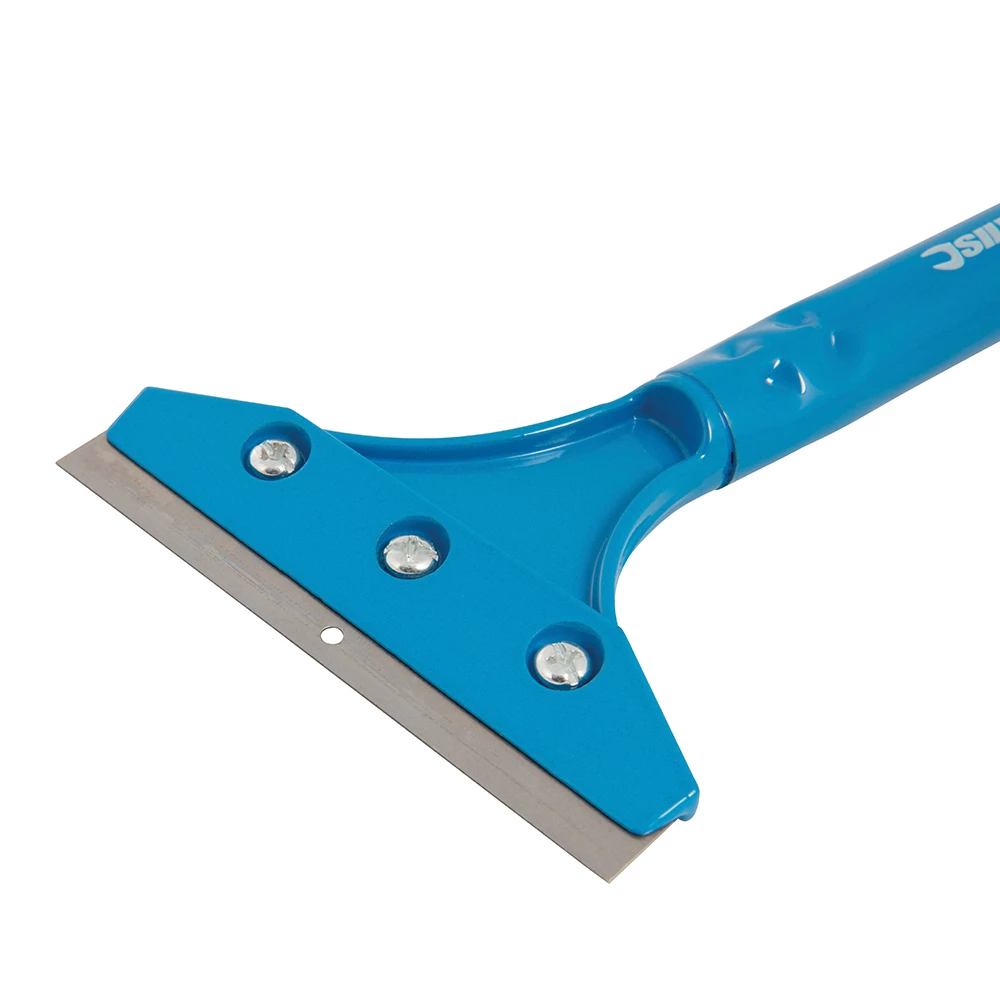
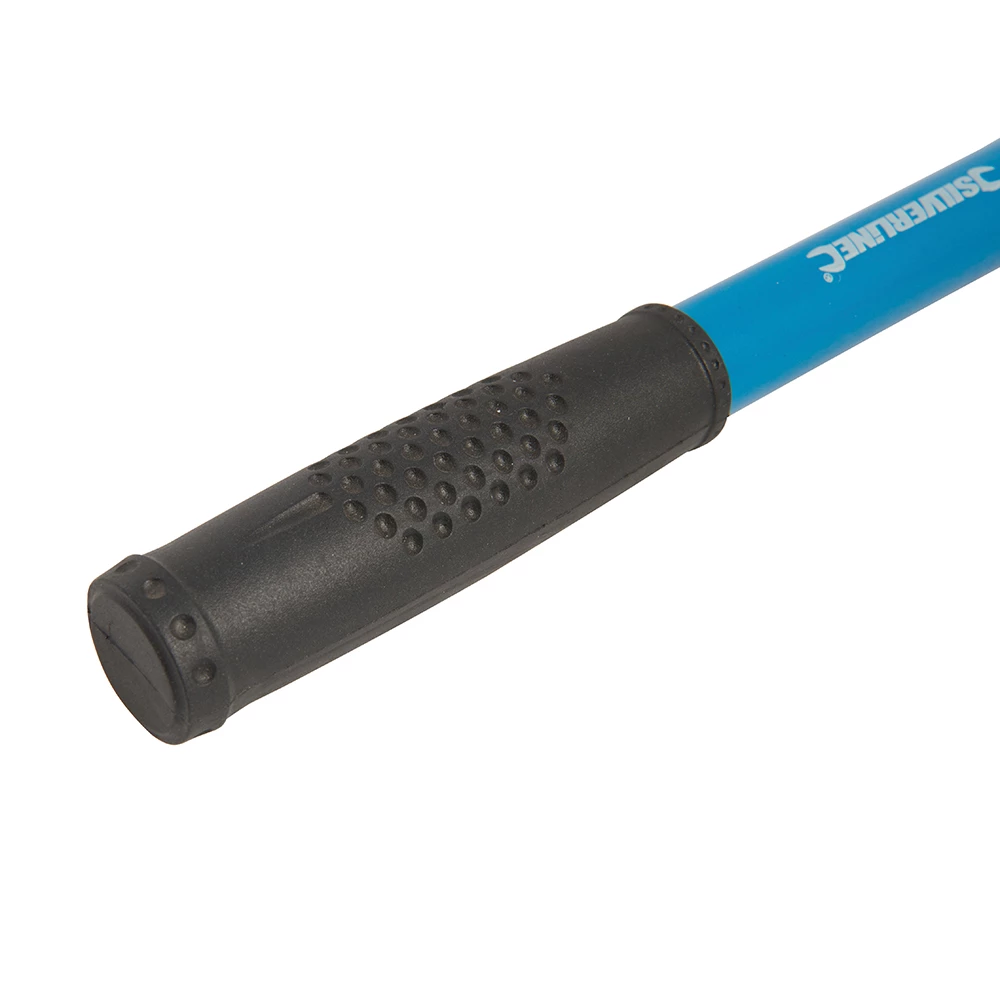
For most jobs, start with a scraper to remove the bulk of the epoxy putty. Products like the Heavy Duty Scraper for Paint and Epoxy Resin Removal allow you to remove cured material cleanly from flat or slightly textured surfaces. If small areas of residue remain, gently sanding may be your next step. In some cases, cleaning with isopropyl alcohol can also help clear away fine dust left by sanding.
When This Matters Most
Using sandpaper is most relevant if you’re restoring a smooth finish on surfaces such as wood, metal, or cured resin, especially when residue persists after scraping. Avoid sandpaper on surfaces prone to scratching or when preserving a decorative finish is a priority.

Related products
Related guides
Cautious use of fine sandpaper and the right tools makes epoxy putty removal safer and less stressful. For more tips and options, visit our main guide on removing epoxy putty.