 Free shipping on orders over £29,85
  Shipping Tracking!


 Google
 Facebook
← Back to What solvent should be used to remove epoxy resin?
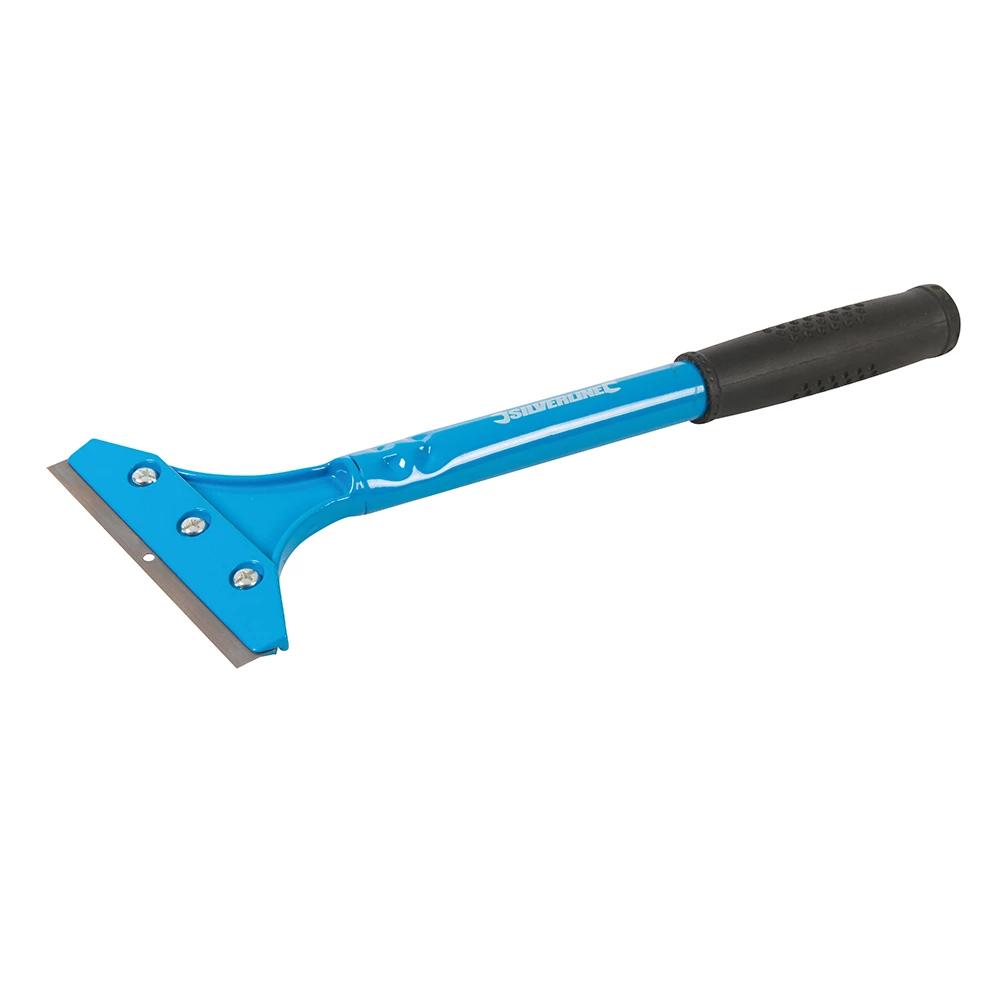
When removing epoxy resin, choosing the right tools is important to avoid accidental damage to your workspace. Many turn to scrapers for physical removal, but it’s natural to wonder if these can harm underlying surfaces.
Using a Scraper Safely
A scraper, such as the Heavy Duty Scraper, can be very effective for lifting cured epoxy. Its sharp blade is designed for precision, allowing you to target resin deposits without unnecessary force. However, improper use—such as applying too much pressure or scraping at an angle—can risk gouges or scratches, especially on soft or decorative finishes.
- Test the scraper on an inconspicuous spot first.
- Keep the blade as flat as possible against the surface.
- Work slowly, applying gentle, consistent pressure.
Protecting Sensitive Surfaces
If you’re working on delicate surfaces like lacquered wood, painted cabinetry, or decorative tiles, take extra care. It may help to place a thin, stiff piece of card or plastic under the scraper blade for added protection while removing residue. For particularly fragile areas, consider supplementing scraping with a suitable solvent to soften the resin first; always check compatibility with your surface.
When This Matters
Protecting your workspace is especially important in kitchens, on floors, or anywhere decorative finishes are involved. Taking a cautious approach helps preserve the surface, reducing the need for costly repairs later.
Related products
Related guides
While a quality scraper offers a practical solution for removing epoxy, careful technique and thoughtful preparation are key to keeping your workspace safe. For more guidance on effective epoxy removal tools and solvents, visit our main advice page.