 Free shipping on orders over £29,85
  Shipping Tracking!


 Google
 Facebook
What solvent should be used to remove epoxy resin?
Removing epoxy resin can be challenging, whether you’re clearing mistakes, cleaning tools, or stripping old coatings. This guide helps professionals, DIY enthusiasts, and artists to understand which solvents and tools best suit a range of epoxy removal tasks—indoors or outdoors.
Expert solutions for quick and safe epoxy resin removal tasks.

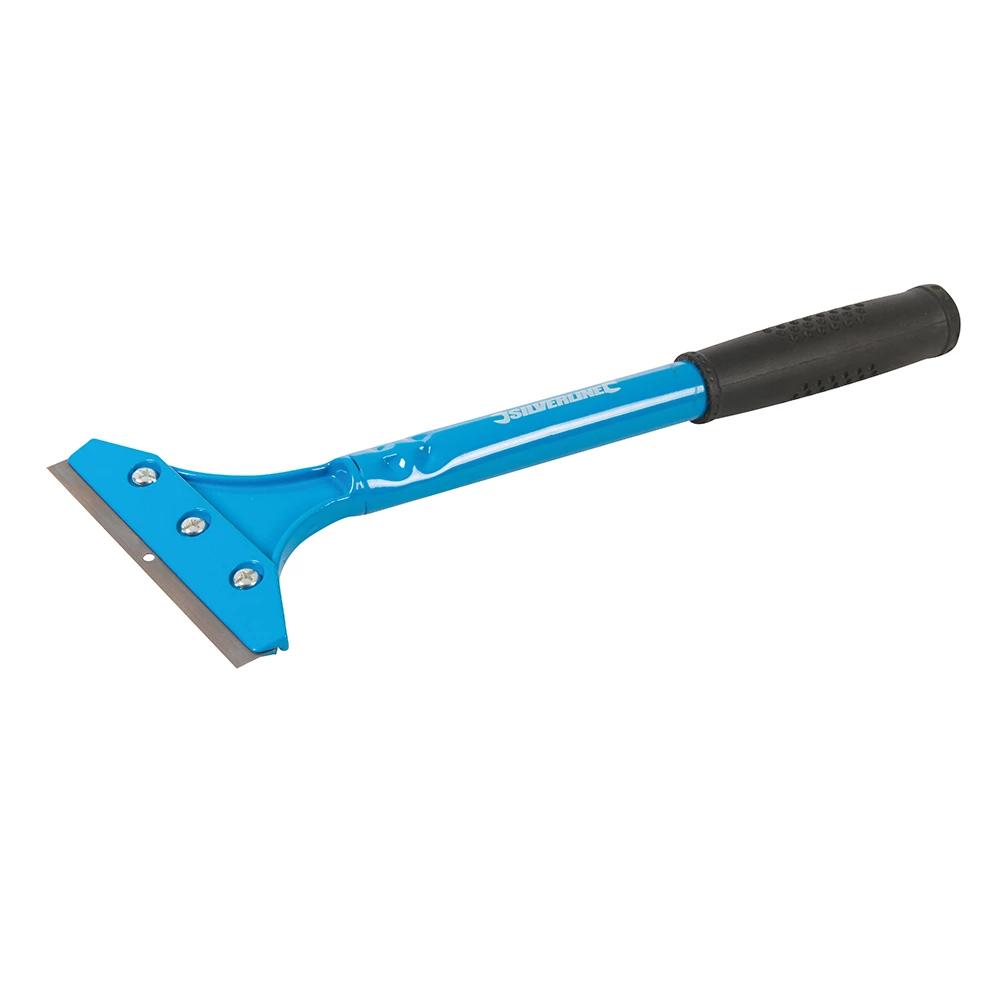
Overview: Comparing Solvents and Tools for Epoxy Resin Removal
When tackling epoxy resin removal projects, selecting the right approach depends on the resin’s state (fresh or cured), safety requirements, and the underlying surfaces. Chemical solvents, such as pure isopropyl alcohol, are ideal for dissolving and loosening uncured resin, or for cleaning tools. For hardened or cured resins, a physical approach with robust tools like the Heavy Duty Scraper for Paint and Epoxy Resin Removal may be more effective. Each method has its own strengths and use cases—pure solvents offer precision, while dedicated scrapers provide control with minimal chemical risks.
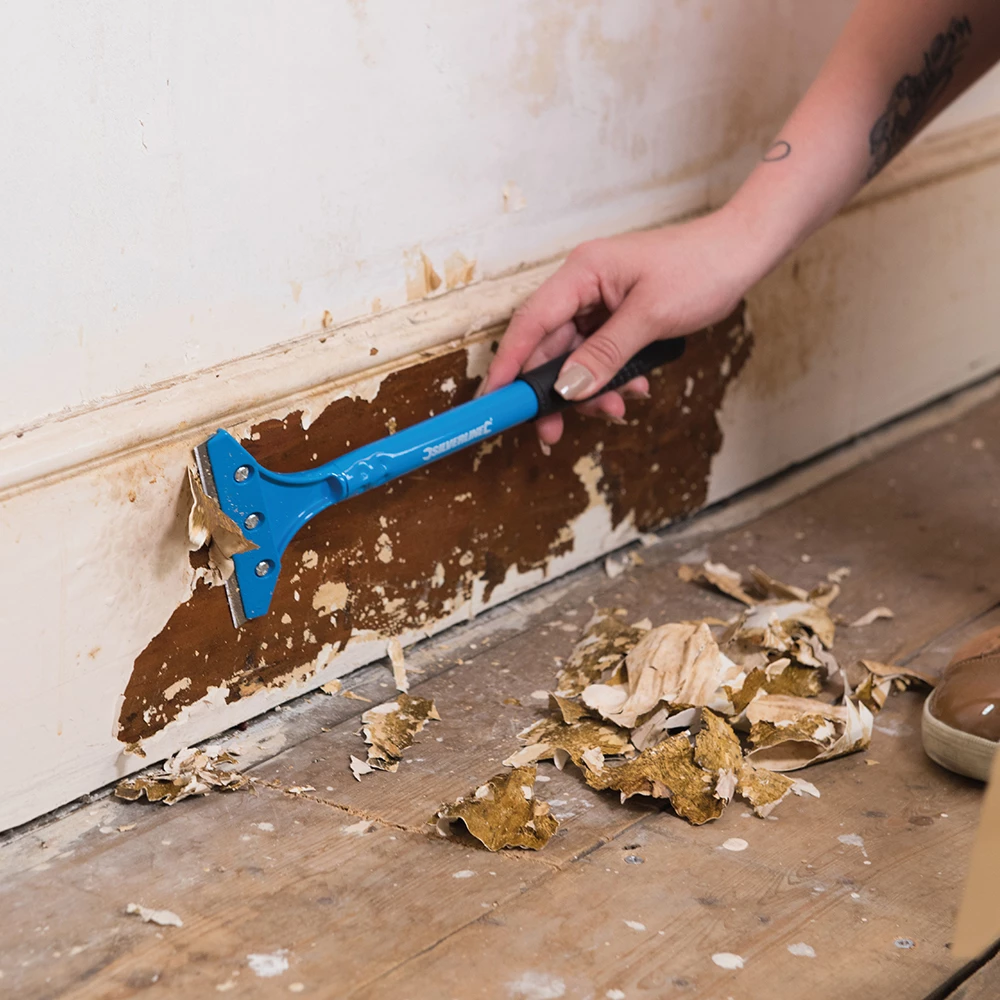
Spotlight: Removing Epoxy Resin from Surfaces
Isopropyl alcohol excels at lifting uncured resin spills from most surfaces, while a heavy-duty scraper provides the muscle needed for stubborn, hardened residue. Select the right method based on resin age and your work environment.
Pure Isopropyl Alcohol 99.9% for Epoxy Resin Cleaning
Pure Isopropyl Alcohol 99.9% – 1000ml Bottle for Epoxy Resin Projects & DIY is a top solvent choice for removing uncured or fresh epoxy resin from surfaces, tools, and workspaces. Its exceptionally high purity means it evaporates cleanly, leaving no residue—perfect for ensuring surfaces are contaminant-free before casting, and for removing sticky spills or smudges during and after projects. It is also commonly used in resin art settings to facilitate bubble removal and special effects within wet resin.
High Purity: 99.9% pure, it leaves behind no residues and ensures minimal contamination of work surfaces. Use only in well-ventilated areas, well away from open flames or heat sources due to its high flammability.
Bubble Removal: Besides cleaning, a light application can help float bubbles to the surface of wet resin, improving your finish and clarity on artistic projects.
This solvent suits those seeking a versatile, clean and effective solution for fresh resin or final touches following epoxy casting.
Heavy Duty Scraper for Physical Removal of Hardened Epoxy
The Heavy Duty Scraper for Paint and Epoxy Resin Removal is designed for robust performance when faced with fully cured epoxy on floors, walls, or worktops. This tool delivers controlled, physical removal without reliance on chemicals. The lightweight design allows for comfortable handling over extended use, while its razor-sharp blade is adept at cutting through stubborn, hardened residues. It is the preferred choice when chemical options are impractical, or when you need to avoid exposing delicate materials to solvents.
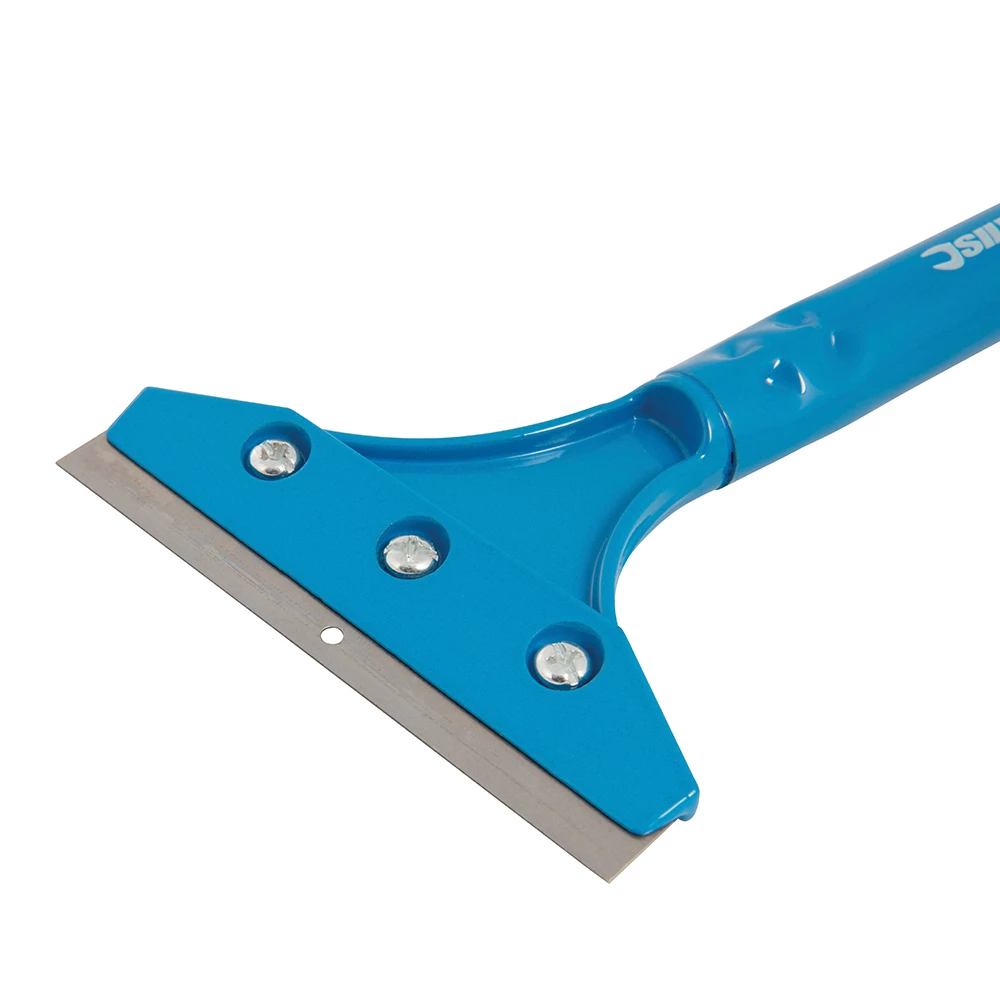
Razor-sharp Blade ensures a precise, smooth finish and minimises damage to the underlying surface. Easy-grip Steel Shaft provides secure handling for both professionals and home users.
Best used on dried, non-porous surfaces, this scraper is a reliable go-to for clean, efficient, and solvent-free removal.
Using Solvents and Tools Safely for Best Results
For optimal outcomes, combine chemical and physical methods where appropriate: use Pure Isopropyl Alcohol 99.9% to dissolve fresh spills, followed by gentle scraping with the Heavy Duty Scraper for any lingering cured patches. Always work in well-ventilated spaces, wear protective gloves and eyewear, and store solvents securely away from ignition sources. This dual-approach preserves your work surfaces while maximising safety and efficiency across different epoxy resin removal scenarios.
Expert Tip: Combining Chemical and Physical Methods
Start by dissolving fresh resin with isopropyl alcohol, then follow up with precise scraping for fully set residues. Always prioritise safety and surface care for best results.
- Pure Isopropyl Alcohol 99.9% – 1000ml Bottle for Epoxy Resin Projects & DIYPrice range: £9.85 through £19.85Pure Isopropyl Alcohol 99.9% is suitable for epoxy resin projects, helping remove bubbles and create effects.
- Heavy Duty Scraper for Paint and Epoxy Resin Removal£8.35The Heavy Duty Scraper is designed for safe removal of paint and wall coverings suitable for various tasks under a solvent removal theme.
Frequently Asked Questions
Can isopropyl alcohol be used on all types of epoxy resin?
Isopropyl alcohol is effective for removing fresh or uncured epoxy resin from most non-porous surfaces. For cured resin, chemical effectiveness drops and physical removal tools become necessary.
What precautions should I take when using solvents to remove epoxy resin?
Always use solvents like isopropyl alcohol in well-ventilated spaces. Keep away from open flames, heat, and sources of ignition, and wear gloves to protect skin.
When should a physical scraper be used over a solvent?
A scraper is best when epoxy is fully hardened and resistant to solvents. Use scrapers on sturdy surfaces and switch to solvents for fresh or sticky resin residues.
Does isopropyl alcohol leave any residue after cleaning epoxy resin?
Pure isopropyl alcohol (99.9%) evaporates without residue, making it suitable for prep and finishing work in resin projects. Always wipe surfaces dry when finished.
Can the scraper damage my workspace?
With careful use, the Heavy Duty Scraper minimises surface damage, but always test on a small area first to ensure compatibility—especially on soft or decorative finishes.
What are the best safety tips for combining solvents and scraping tools?
Wear gloves, goggles, and ventilate the area. Never use solvents near ignition sources, and always let chemicals evaporate before mechanically scraping.
Are these removal methods suitable for electronics affected by resin spills?
Isopropyl alcohol is commonly used on electronics for careful cleaning, but use minimal amounts and avoid excessive scraping to prevent damage.
Frequently Asked Questions
Can isopropyl alcohol be used on all types of epoxy resin?
Isopropyl alcohol is effective for removing fresh or uncured epoxy resin from most non-porous surfaces. For cured resin, chemical effectiveness drops and physical removal tools become necessary.
What precautions should I take when using solvents to remove epoxy resin?
Always use solvents like isopropyl alcohol in well-ventilated spaces. Keep away from open flames, heat, and sources of ignition, and wear gloves to protect skin.
When should a physical scraper be used over a solvent?
A scraper is best when epoxy is fully hardened and resistant to solvents. Use scrapers on sturdy surfaces and switch to solvents for fresh or sticky resin residues.
Does isopropyl alcohol leave any residue after cleaning epoxy resin?
Pure isopropyl alcohol (99.9%) evaporates without residue, making it suitable for prep and finishing work in resin projects. Always wipe surfaces dry when finished.
Can the scraper damage my workspace?
With careful use, the Heavy Duty Scraper minimises surface damage, but always test on a small area first to ensure compatibility—especially on soft or decorative finishes.
What are the best safety tips for combining solvents and scraping tools?
Wear gloves, goggles, and ventilate the area. Never use solvents near ignition sources, and always let chemicals evaporate before mechanically scraping.
Are these removal methods suitable for electronics affected by resin spills?
Isopropyl alcohol is commonly used on electronics for careful cleaning, but use minimal amounts and avoid excessive scraping to prevent damage.