 Free shipping on orders over £29,85
  Shipping Tracking!


 Google
 Facebook
← Back to How are emulsifiable synthetic resin paints made?
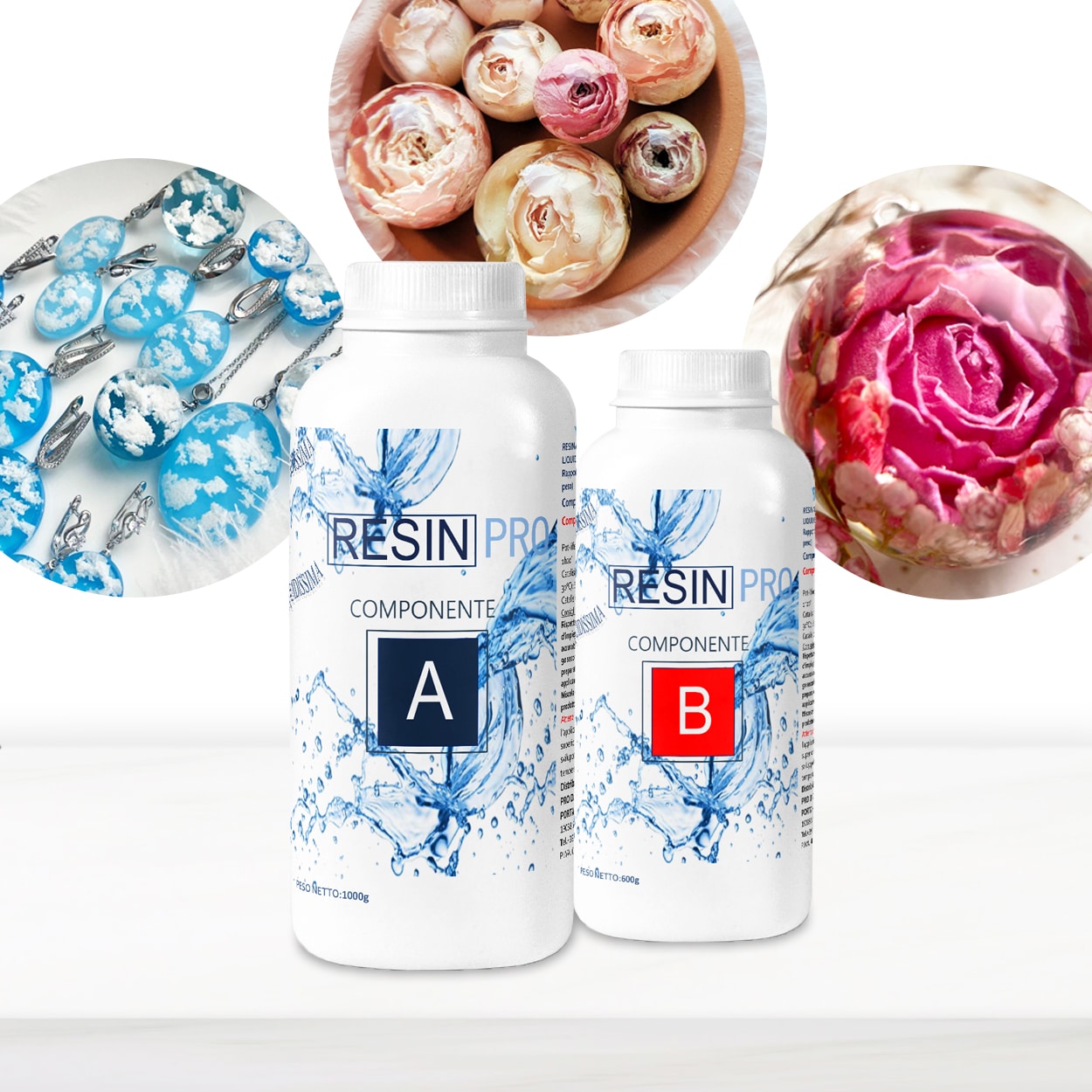
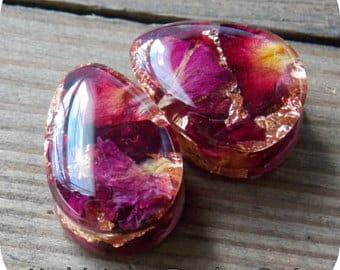
Adding colour to emulsifiable synthetic resin paints is straightforward when you use the right pigments and techniques. Whether you want translucent hues or bold opaque effects, a range of options are available to help customise your finish.
Choosing the Right Pigments
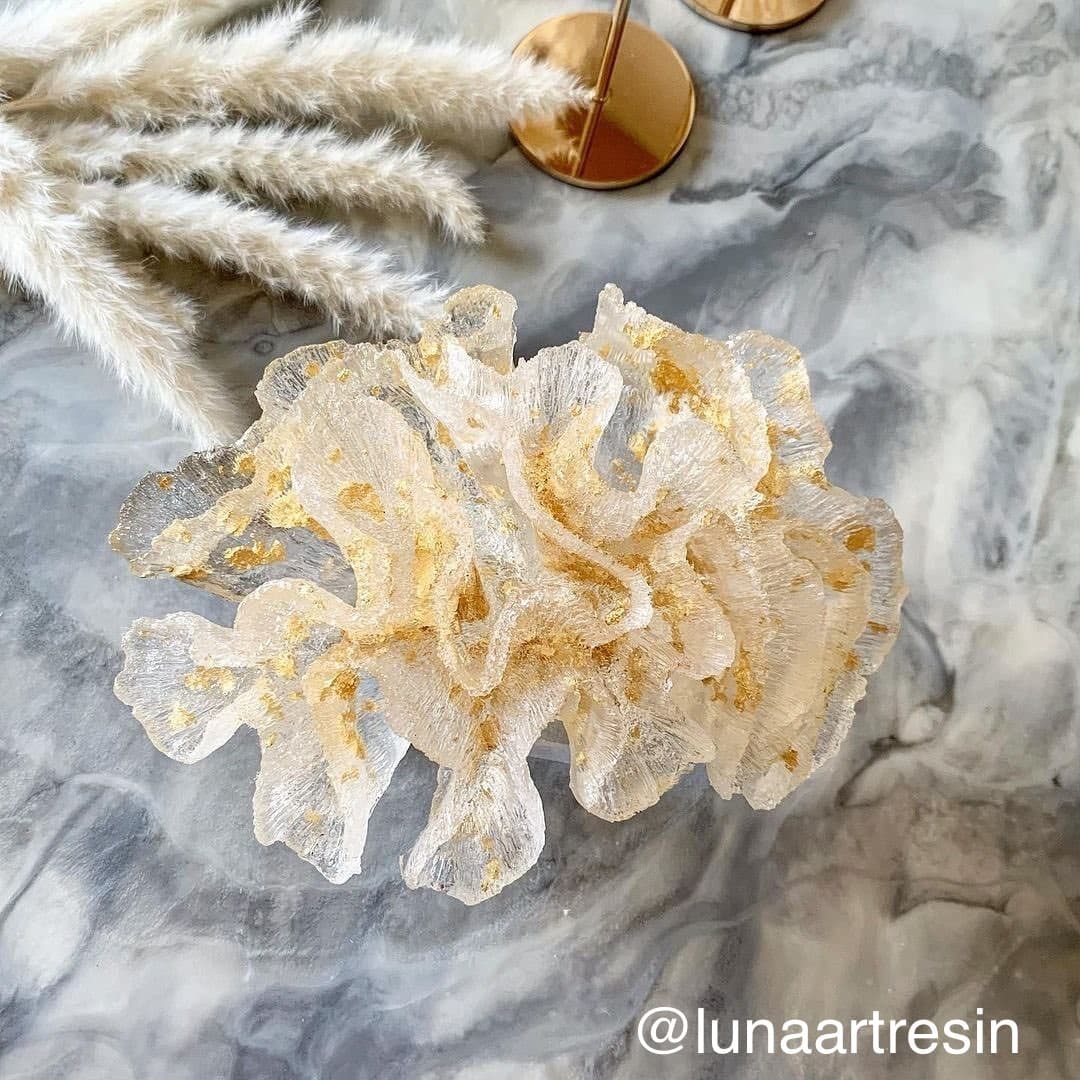
Epoxy-compatible pigments and mica powders work especially well with synthetic resin paints. Mica powders offer shimmering and pearlescent effects, while liquid pigments and epoxy-safe pastes create more consistent solid colours. Make sure that the pigments you select are specifically intended for use with epoxy resin, as other types may not disperse evenly or could affect the stability of the paint.
Best Practices for Mixing Colour
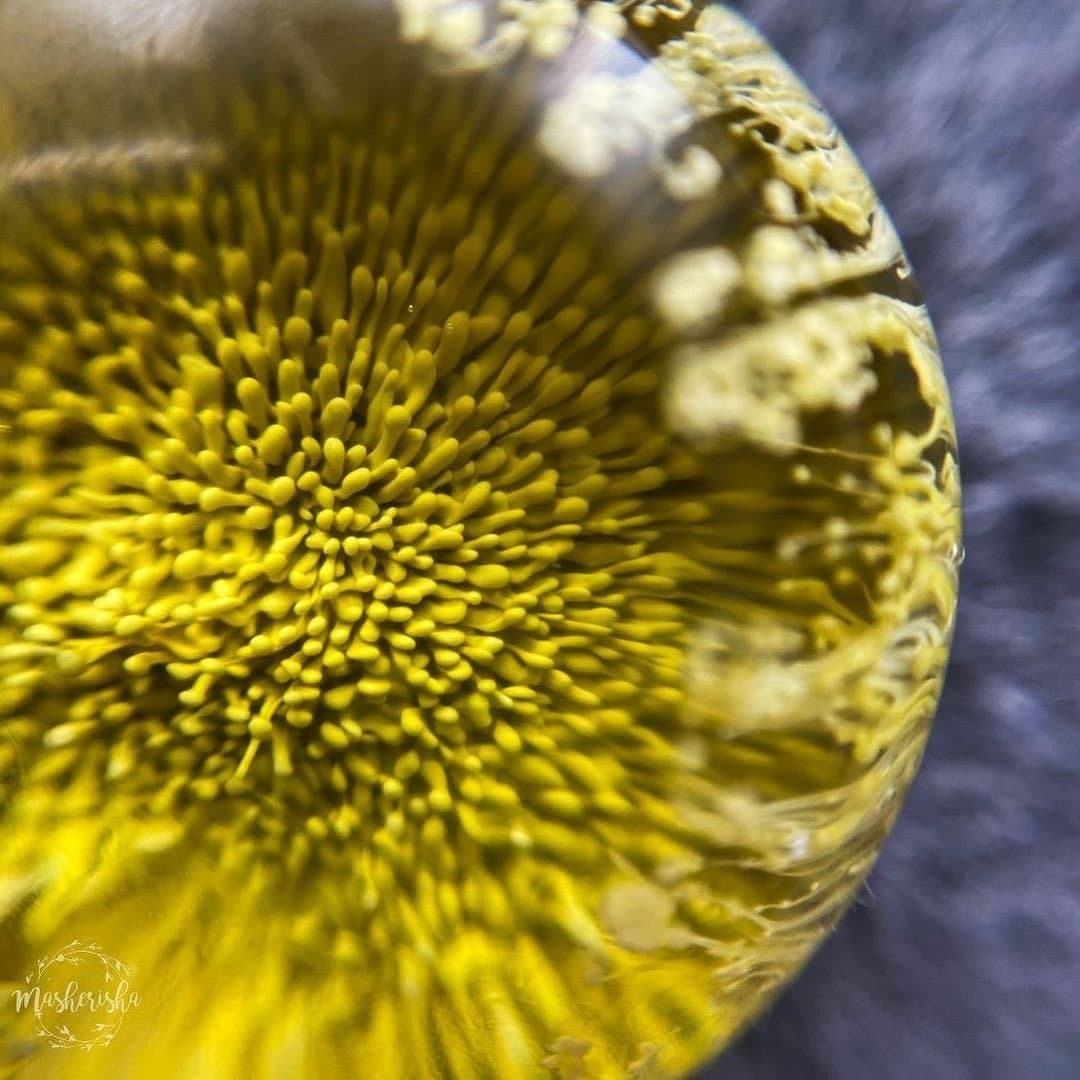
To ensure even colour and stable results, it’s important to follow recommended pigment-to-resin ratios. Excess pigment can impact curing and finish. As a general guideline, start with a small amount—between 0.1% and 2% of the resin volume, depending on the strength and type of pigment. Thoroughly mix the colourant into the resin for an even blend. For jewellery and intricate castings, products like Liquidissima epoxy resin provide excellent clarity, letting colours shine through beautifully.
When This Matters Most
- If you’re creating detailed art, custom jewellery, or surface coatings where colour depth and clarity are crucial, using resin-compatible colourants enhances your creative possibilities while ensuring the paint maintains its strength and smooth finish.

Related products
Related guides
Colouring your own emulsifiable synthetic resin paints opens the door to personalised effects and creative finishes. For more on making and customising these paints, see our main guide: How are emulsifiable synthetic resin paints made?