 Free shipping on orders over £29,85
  Shipping Tracking!


 Google
 Facebook
← Back to Which resin is best for embedding objects?
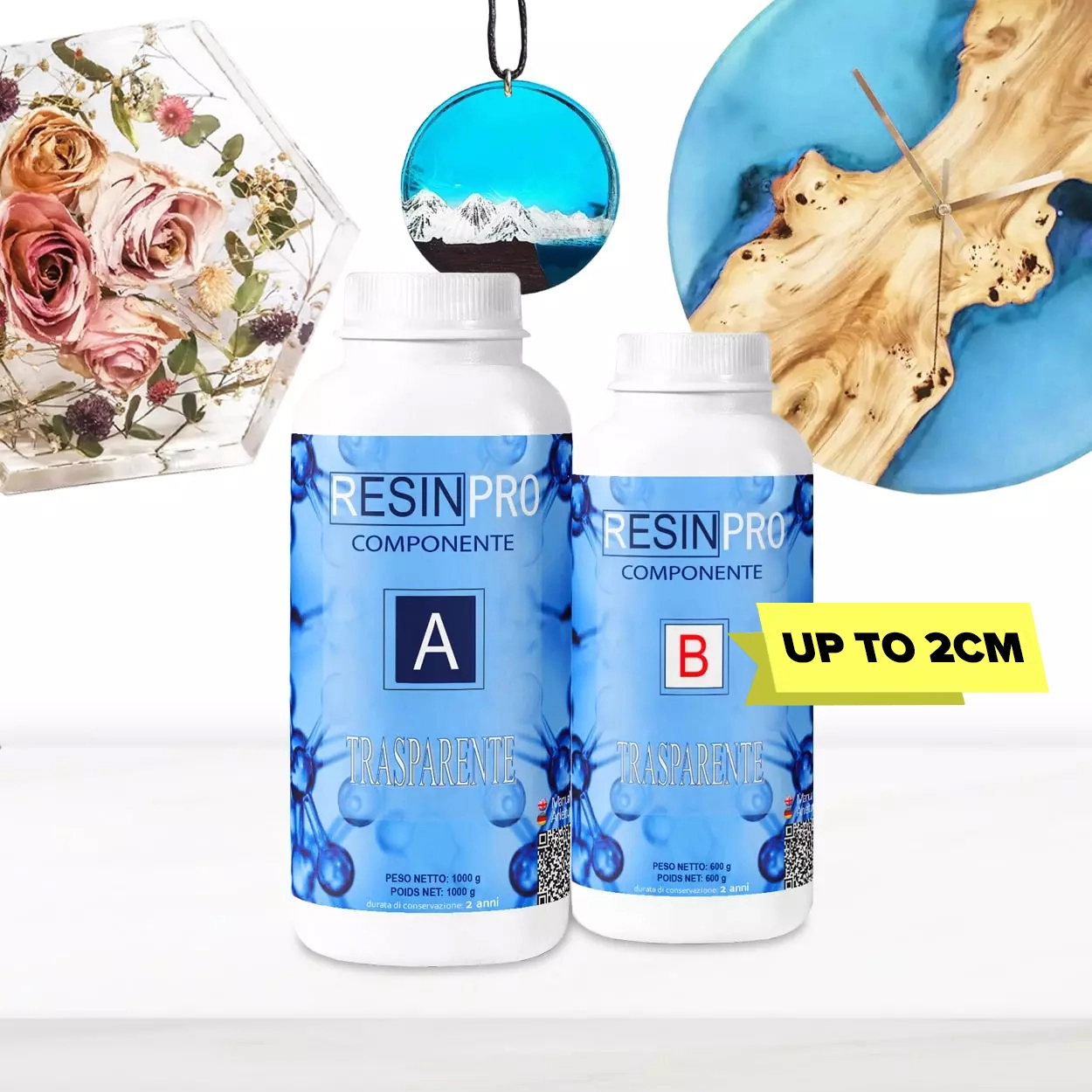

Embedding organic items such as flowers, leaves, and wood in resin offers beautiful ways to preserve and display nature, but it requires careful preparation to ensure lasting results. Learn what you need to consider before casting natural materials in resin.
Why Drying and Sealing Matters
Organic materials contain moisture, which can cause problems like discolouration, mould, or decay when trapped inside resin. Before embedding, always dry your organics thoroughly using an appropriate method such as air drying or desiccant. Once dried, a light protective seal with acrylic spray or a similar barrier helps lock out remaining moisture and keeps colours vibrant after casting.
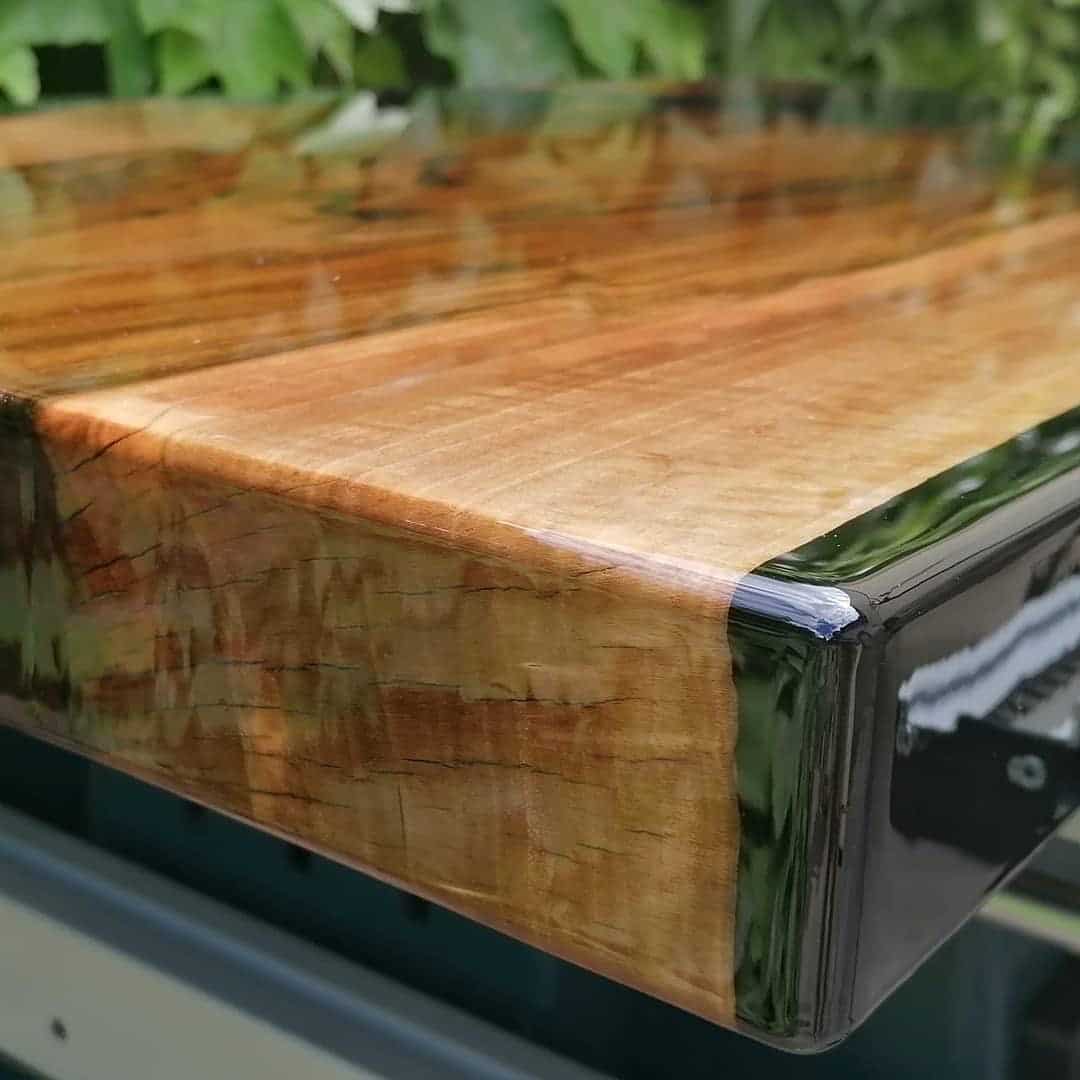

Step-by-Step Guide to Embedding Organics
- Dry your materials: Ensure flowers, leaves, or other organics are completely free from water.
- Seal the surface: Spray a thin, even layer of clear acrylic sealer and allow it to cure fully.
- Select the right resin: For embedments up to 2cm thick, “Trasparente” clear epoxy resin is ideal for clarity and a bubble-free finish. For deeper pieces, resins formulated for thick pours such as “EpoxyTable 5-Five” are recommended.
- Pour in layers if needed: Apply a thin layer first, arrange your dried organics, and top up with more resin after the first layer gels to reduce trapped air.
When This Matters
Preparation is crucial whenever you want to preserve the natural appearance of botanicals, insects, or other organic materials in art, jewellery, or display pieces. Skipping the drying step risks cloudiness or internal decay, reducing both the look and longevity of your embedded piece.

Related products
Related guides
Successfully embedding organics in resin starts with careful drying and sealing. With the right materials and methods, you can create unique keepsakes that last. For more on choosing the best resin for embedding objects, visit our main guide.