 Free shipping on orders over £29,85
  Shipping Tracking!


 Google
 Facebook
← Back to At what temperature below zero does resin crystallise?

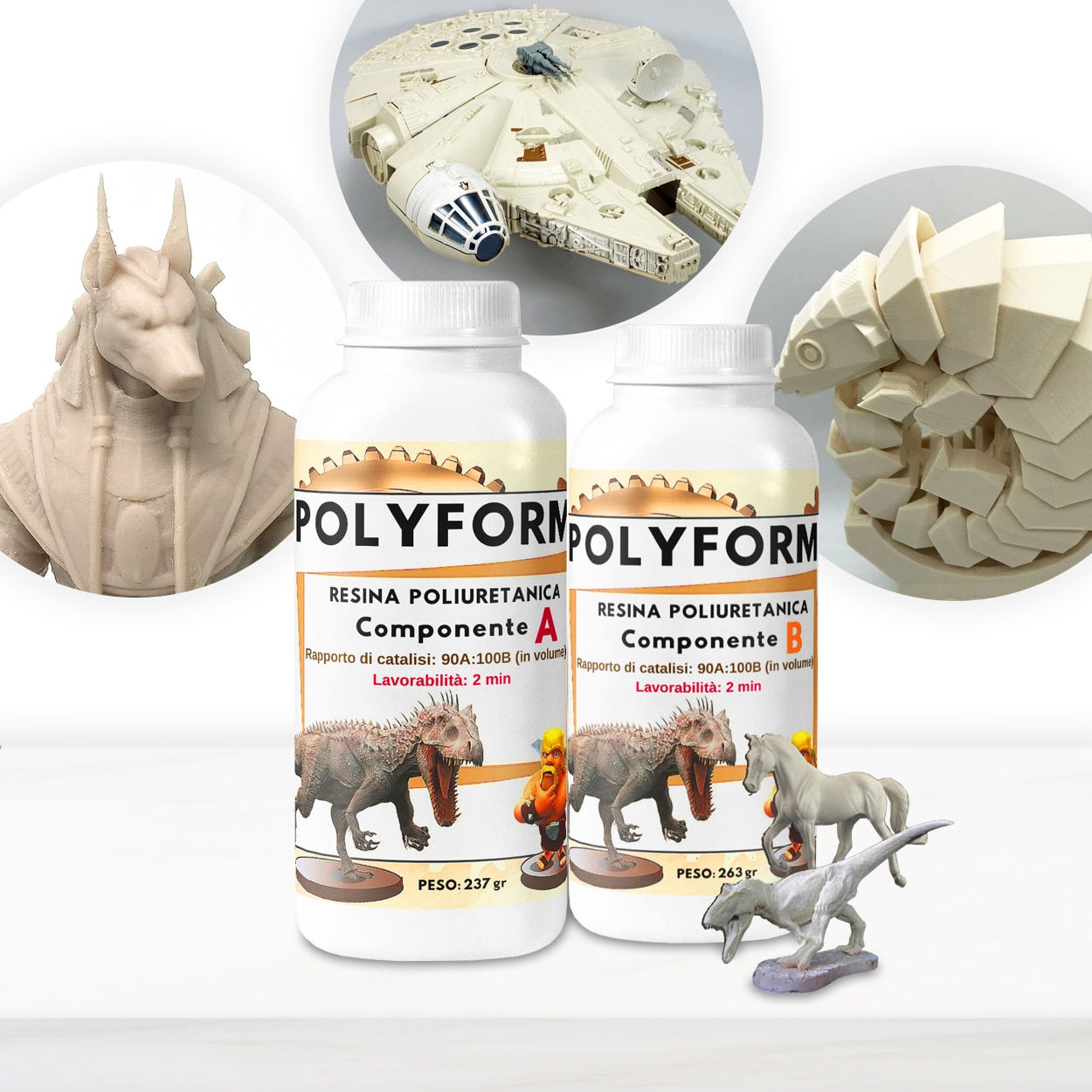
Crystallisation can occur when resin is exposed to cold temperatures or improper storage, resulting in a grainy or solid texture. Fortunately, it’s often possible to restore crystallised resin to a usable state with the right approach.
Restoring Crystallised Resin
To fix crystallised resin, begin by warming the container gently in a water bath. Place the sealed resin bottle in a bowl of hot water (not boiling), ensuring the water doesn’t reach the lid. Allow it to warm slowly until the resin becomes fully liquid again, giving the bottle a gentle swirl to help disperse any remaining crystals. Avoid overheating, as excessive heat may affect the resin’s properties or curing performance.
Safety Tips and Considerations
- Monitor the temperature closely during the warming process – low and gradual heat is best.
- Never use a microwave or open flame to heat resin, as this can lead to safety hazards.
- Once liquefied, use the resin promptly to ensure the best results.
If the resin repeatedly crystallises, consider storing it in a warmer location between 15°C and 25°C. For epoxy resins like Trasparente, maintaining stable conditions helps prevent crystallisation.
When This Matters
Fixing crystallised resin is especially useful if you live in colder climates or store resin in unheated spaces. However, if the resin’s clarity or performance seems affected after restoration, it’s best reserved for less critical applications.
Related products
Related guides
Knowing how to restore crystallised resin means you can get the most from your materials. For more on avoiding temperature-related issues with resins, explore our main FAQ about resin crystallisation and temperature thresholds.