 Free shipping on orders over £29,85
  Shipping Tracking!


 Google
 Facebook
← Back to How do you remove a resin floor?
Removing a resin floor opens the door to new flooring possibilities, but a little patience is essential before proceeding. Immediate installation can lead to issues if the base isn’t properly prepared.
Why Substrate Drying and Inspection Is Important
After lifting the resin, moisture can remain trapped in the base layer. It’s vital to let the substrate thoroughly dry, as residual dampness may compromise adhesives or mortar used for your new floor. Use fans or natural ventilation to support drying, and always check for lingering damp patches.
Once dry, inspect for cracks, uneven spots, or leftover residue. A smooth surface ensures your new flooring will lay flat and last longer.
Proper Preparation Steps Before Installation
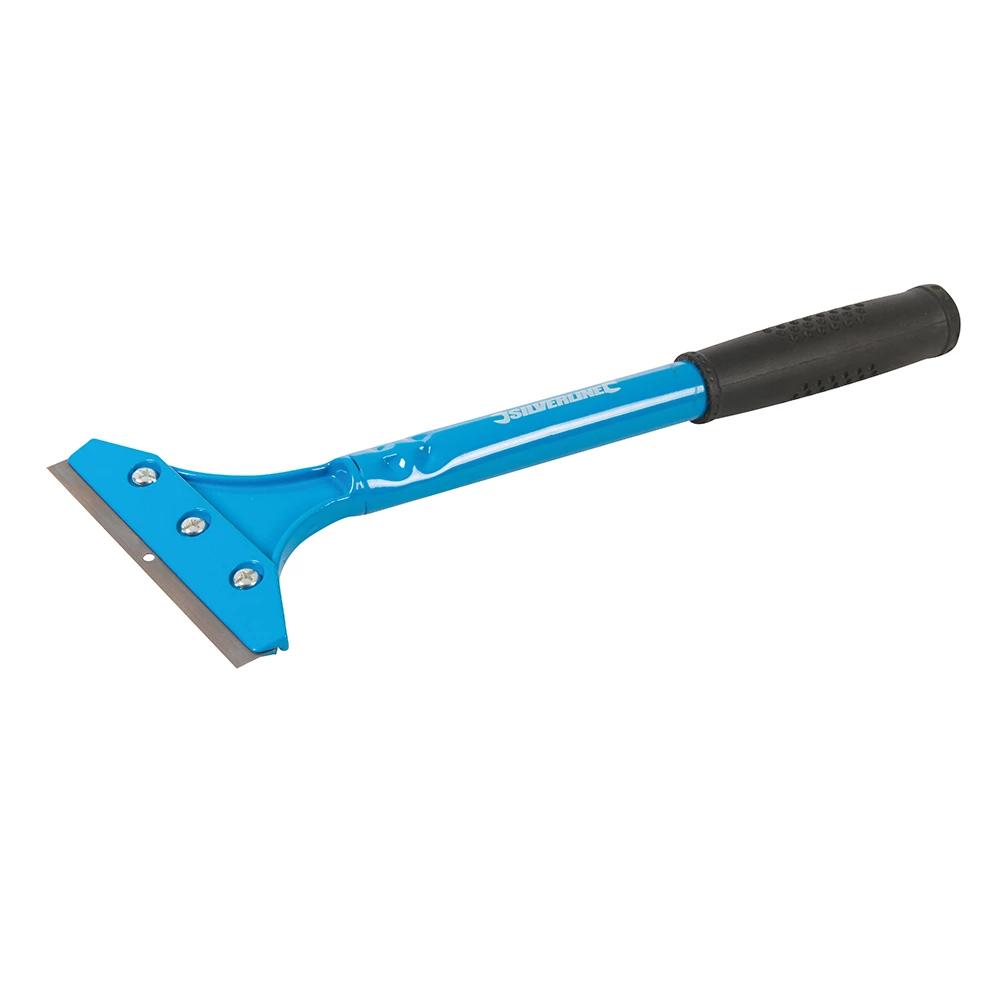
Surface preparation is the foundation of a successful flooring upgrade. Begin by scraping away any remaining resin using a suitable tool such as the Heavy Duty Scraper for Paint and Epoxy Resin Removal. Next, clean the area thoroughly—consider a natural formula cleaner for efficient residue removal that won’t damage the surface. For this, the Strong Technical Degreaser for Resin Projects – 100% Natural Formula works well on a variety of substrates.
- Check for and fill cracks or holes as needed.
- Make sure the surface is smooth to the touch.
- Let all cleaning solutions dry before beginning installation.
When This Matters
Proper drying and preparation are particularly critical when installing moisture-sensitive floors (like wood or laminate) or using adhesives. Skipping preparation steps can lead to warping, lifting, or uneven results in your new floor.
Related products
Related guides
Taking care to dry and prepare your substrate pays off in a durable, great-looking new floor. For more tips on tackling every stage of resin floor removal, return to our main guide on the process.