 Free shipping on orders over £29,85
  Shipping Tracking!


 Google
 Facebook
How do you remove a resin floor?
Step-by-step instructions for safe, effective resin floor removal
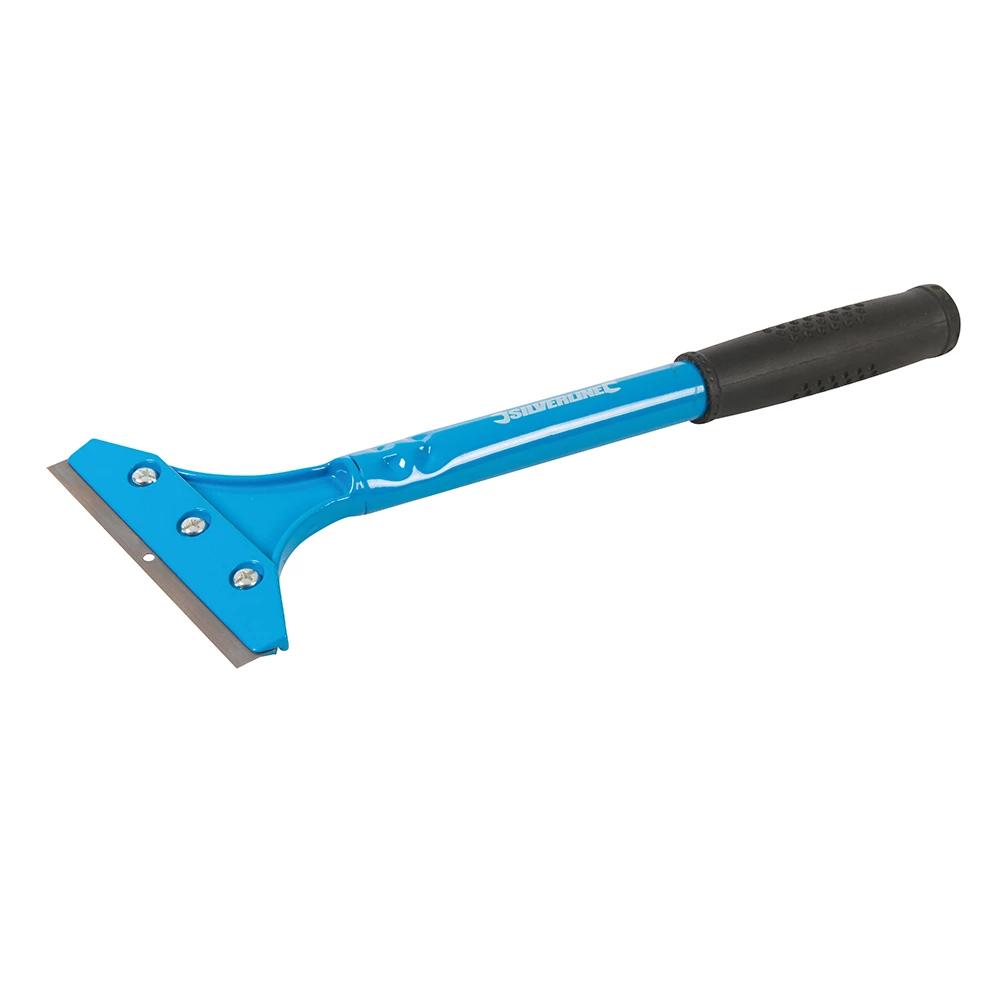
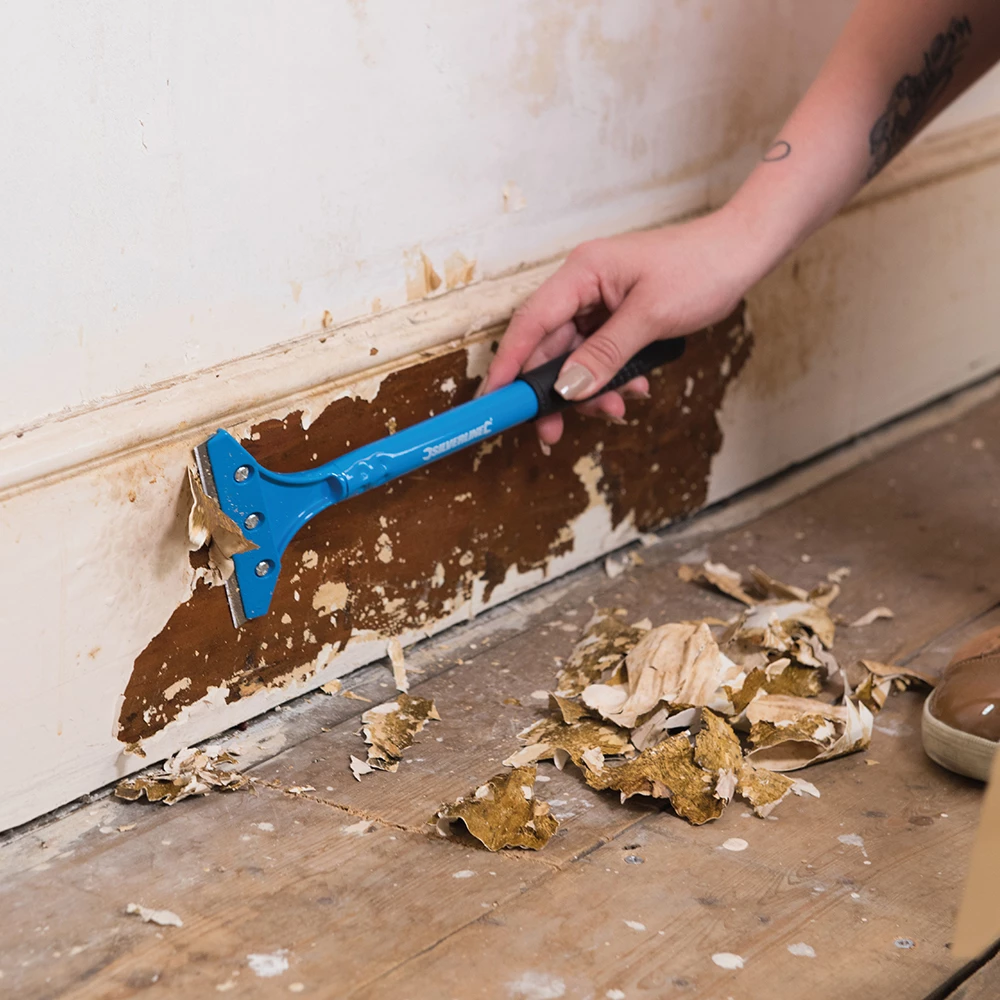
Removing a resin floor requires careful planning, the right technique, and attention to safety. Whether you are preparing for a renovation or fixing flooring issues, this guide will walk you through the process, ensuring effective results with minimal risk to your surfaces and health.
What You’ll Need
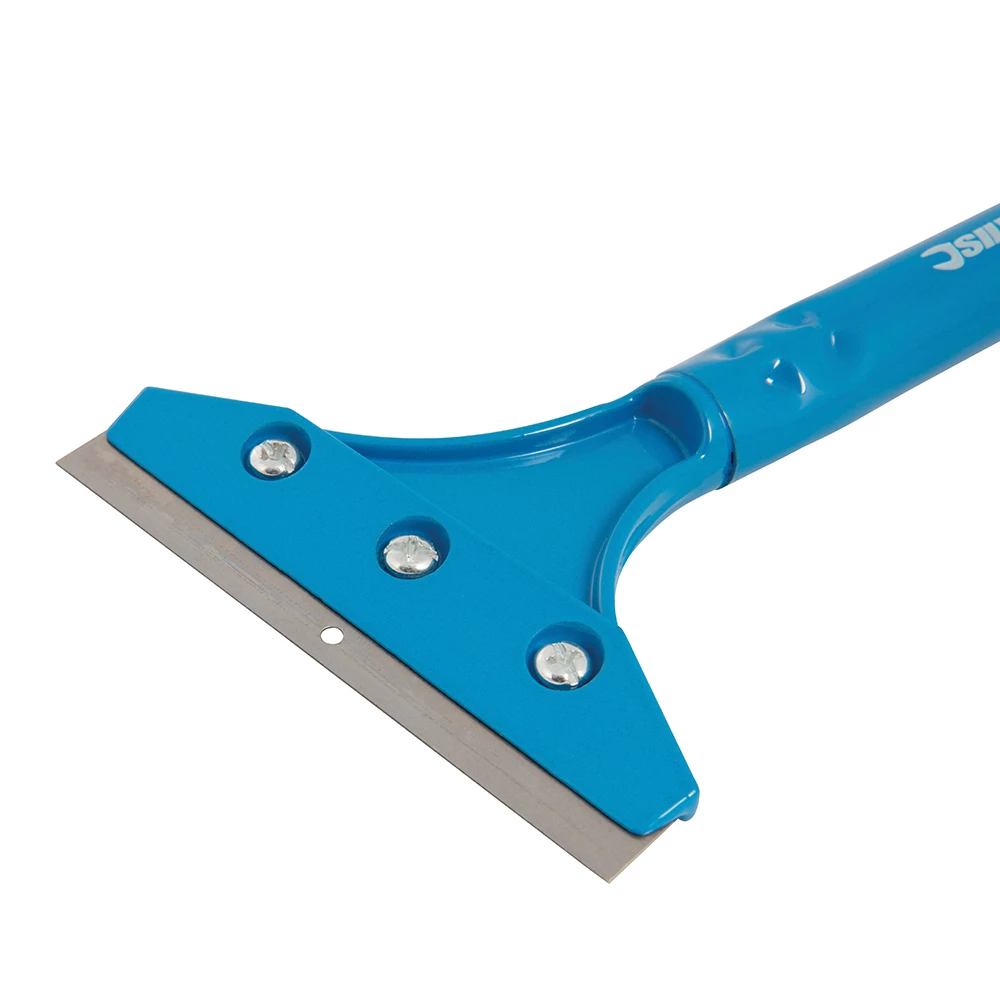
- Heavy Duty Scraper for Paint and Epoxy Resin Removal – For effective manual lifting of old resin layers
- Strong Technical Degreaser for Resin Projects – 100% Natural Formula – To clean up sticky residue safely after scraping
- Protective gloves, dust mask, and goggles
- Sturdy bin bags or disposal containers for waste
- Rags or scrubbing pads
Visualising Resin Floor Removal
See the difference between an intact resin floor and a half-removed surface. Notice the layered structure, typical thickness, and how clean scraping exposes the subfloor below. This visual reference helps you set realistic expectations for similar projects in your own space.

Assess the Area and Plan Your Removal
Begin by inspecting the resin floor to determine its thickness, type, and how securely it is bonded to the substrate. Check for cracks, areas of delamination, and any transitions between resin and adjoining flooring materials. Consider how much area you’ll need to tackle and prepare all necessary safety gear and supplies before you start scraping. Having a clear plan helps you avoid accidental damage to the subfloor beneath or unnecessary spreading of debris.
Manually Scrape Away the Resin Layer
Start removal at one edge of the flooring, applying firm but controlled pressure to lift the resin. Use the Heavy Duty Scraper for Paint and Epoxy Resin Removal on small sections at a time, holding the tool at a low angle to the floor to minimise gouging. Work systematically in manageable sections, repositioning yourself frequently for optimal leverage. If the resin is particularly thick, scoring it first with the scraper’s edge may help, but avoid aggressive actions that could damage the substrate.
Clear Remaining Adhesive or Residue
Once the majority of the resin is removed, you may notice leftover patches of adhesive or stubborn residues. Avoid harsh chemical stripping agents that can damage the floor or release harmful fumes indoors. Instead, apply the Strong Technical Degreaser for Resin Projects – 100% Natural Formula to affected areas. Allow the product to sit as recommended, then use rags or scrubbing pads to remove loosened residue. A second scraping pass may be beneficial for particularly tough spots.
Dispose of Waste and Clean Up
Collect all debris and removed material in sturdy bin bags, ensuring you comply with local waste disposal regulations. Sweep or vacuum the area thoroughly, and wipe down the surface with a damp cloth or mop to finalise the cleaning process. Proper clean-up ensures the space is ready for either a new flooring application or safe everyday use.
Tips, Common Mistakes, and Troubleshooting
Allow tools to do the work – avoid excessive force, which can damage the substrate beneath. Always use appropriate protective equipment when scraping and handling residues. Test all products on a small area first to ensure compatibility with your underlying floor material. If encountering exceptionally thick or old resin, patience and repeated gentle passes are often more effective (and safer) than aggressive techniques. Should you find very stubborn areas that resist manual removal, consider consulting a flooring specialist for advice before attempting solutions like mechanical sanders or solvents.
Surface Condition After Removal
After the resin floor has been successfully removed, your substrate may show minor marks or patches from scraping. These usually do not affect future flooring installations. Always allow the floor to fully dry before proceeding with a new application.
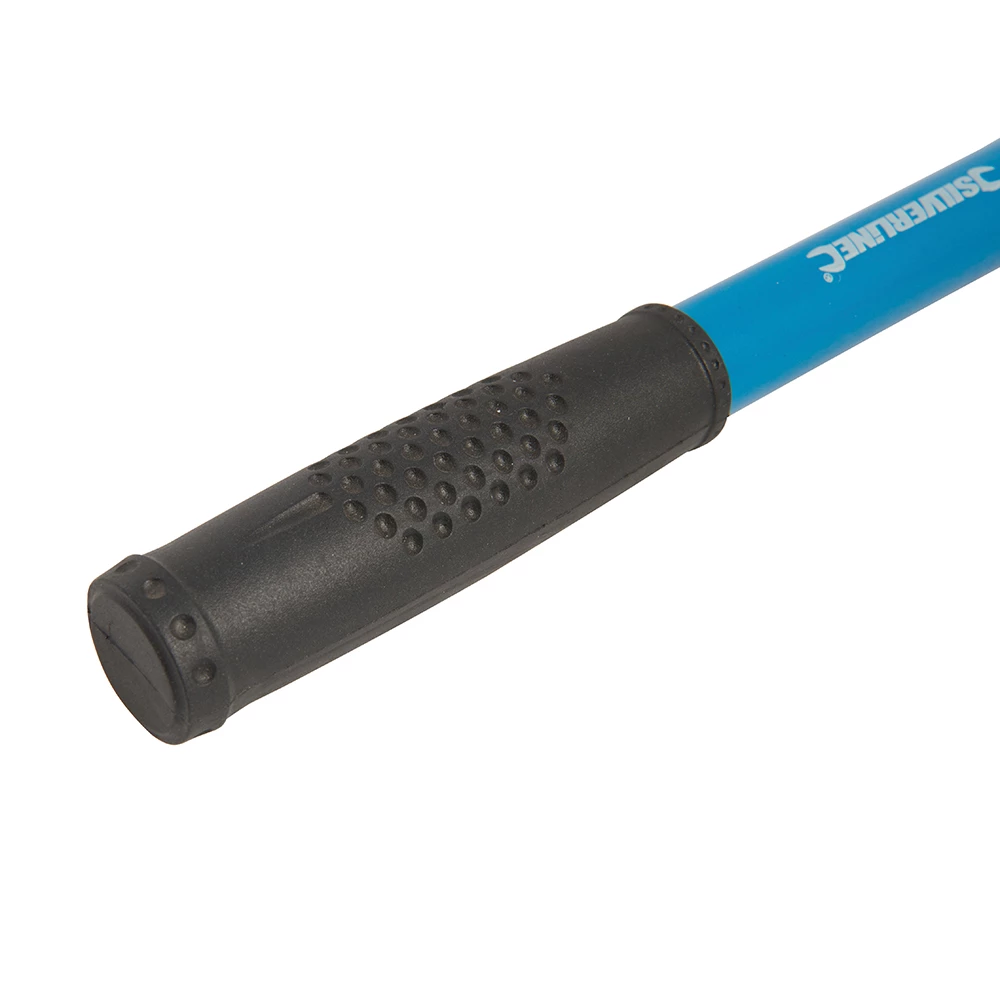
- Heavy Duty Scraper for Paint and Epoxy Resin Removal£8.95Heavy Duty Scraper for Paint and Epoxy Resin Removal is designed for effective removal of coverings and offers control and comfort.
- Strong Technical Degreaser for Resin Projects – 100% Natural FormulaOriginal price was: £10.95.£9.45Current price is: £9.45.The Strong Technical Degreaser is suitable for cleaning surfaces commonly encountered in resin projects, using a 100% natural formula.
Frequently Asked Questions
Can you remove a resin floor yourself?
Yes, with the right tools and a methodical approach, most DIYers and professionals can manually remove resin flooring from domestic or small commercial spaces.
What are the best tools for scraping resin floors?
A heavy duty scraper is highly effective for manual resin removal. Power tools may be needed for very large or industrial floors.
Is it safe to use chemical strippers on resin floors?
Strong chemical strippers can damage subfloors and create hazardous fumes. Use natural products and manual techniques where possible.
How do you dispose of removed resin flooring?
Collect all debris in suitable bin bags and check your local council's regulations for disposal or recycling of resin-based waste.
How do you remove sticky resin adhesive left on the floor?
A natural technical degreaser helps loosen and clean adhesive residue without damaging the underlying floor.
Can you immediately install a new floor after removing resin?
Wait for the substrate to fully dry and inspect for smoothness before installing new flooring. Proper surface prep is essential.