 Free shipping on orders over £29,85
  Shipping Tracking!


 Google
 Facebook
← Back to How do you resin foam?

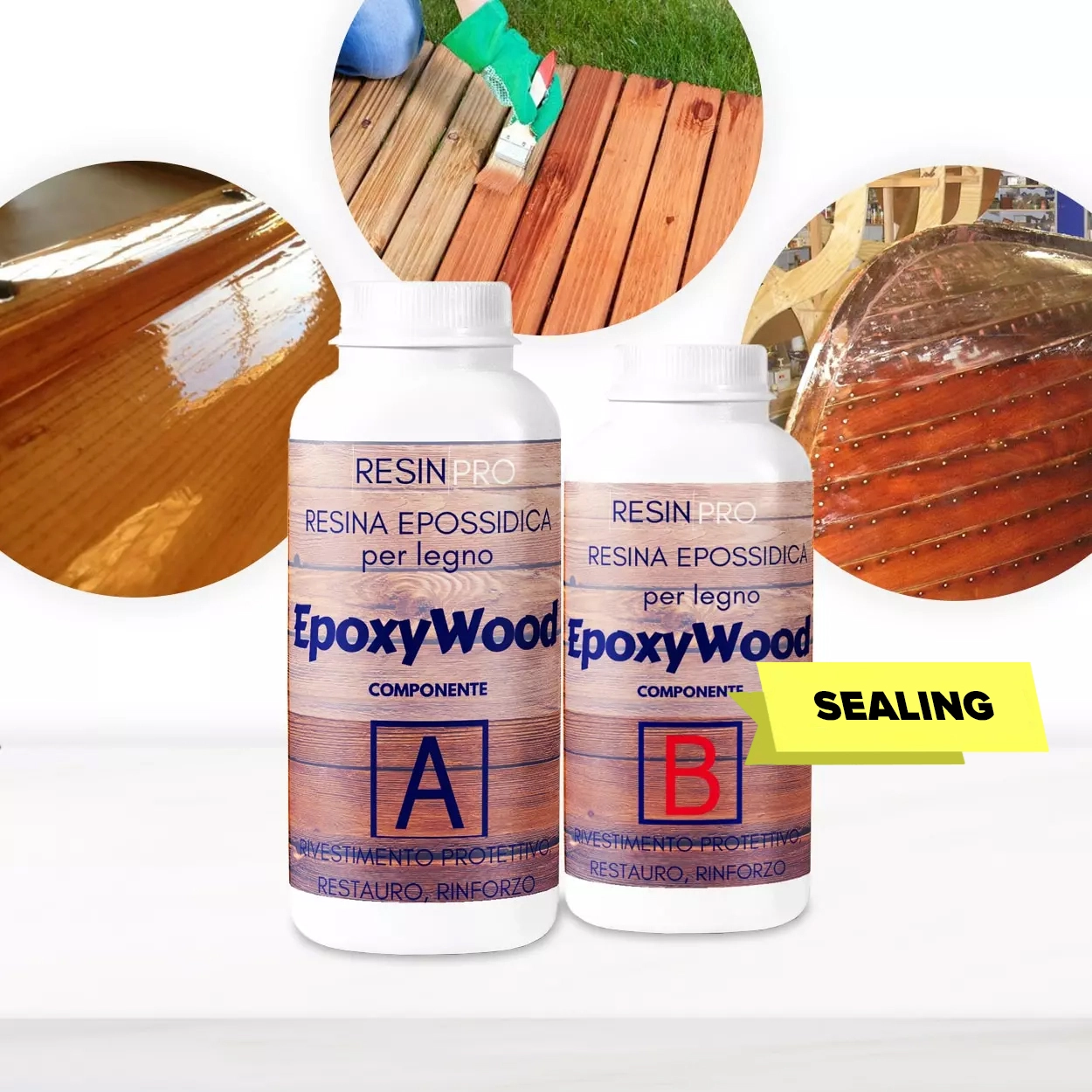
Poured resin projects can add a stunning finish to foam shapes and models, but extra attention is needed to avoid damage. Here’s what every creator should know about pouring epoxy resin on foam safely and effectively.
Why Foam Needs Special Attention
Foams such as polystyrene or craft foam are sensitive to solvents and heat, both of which can be present during resin application. Pouring epoxy directly on unprotected foam can cause melting, warping, or distortion, ruining your project. Proper preparation and thin pours are essential for a successful outcome.


How to Safely Resin Foam
- Seal the Foam: Apply a layer of acrylic primer, PVA glue, or a suitable sealant to create a barrier between the foam and resin. This step prevents unwanted chemical reactions and strengthens the surface.
- Test First: Before proceeding with your full project, try a small patch with your chosen resin to check compatibility and result.
- Pour in Thin Layers: Using a multipurpose clear epoxy resin such as “Trasparente”, pour in layers no more than 1–2 cm thick. This minimises heat buildup and helps prevent foam distortion.
- Choose the Right Resin: For deeper applications, consider resins like “EpoxyTable 5-Five” for pours up to 5cm. For flexible or domed foam surfaces, opt for a polyurethane resin such as “Be Flex” which offers flexibility and outdoor durability.
When This Matters
If you’re crafting props, signage, or models using foam, proper resin techniques add durability and a professional look. Paying close attention to the sealing and pouring steps is even more important when embedding objects, painting over foam, or creating thick finishes, helping you achieve long-lasting results.

Related products
Related guides
Safely pouring epoxy resin on foam opens up creative possibilities in decorative and DIY projects, provided you follow these best practices. For more detailed techniques and foam-resin solutions, revisit the main guide on how to resin foam.