 Free shipping on orders over £29,85
  Shipping Tracking!


 Google
 Facebook
How do you bleach resin?
Bleaching resin to restore or enhance clarity is a topic of interest for artists, crafters, and DIYers looking to keep their resin projects looking their best. While ‘bleaching’ in the traditional sense is not recommended for cured epoxy resin, there are proven steps to refresh, clean, and prevent yellowing, helping you maintain a bright, crystal-clear finish on everything from art pieces to table castings. This comprehensive guide covers effective resin cleaning, clarification techniques, and important do’s and don’ts to achieve the best results without damaging your work.
Safe ways to brighten, clean, and clear your resin projects

What You’ll Need
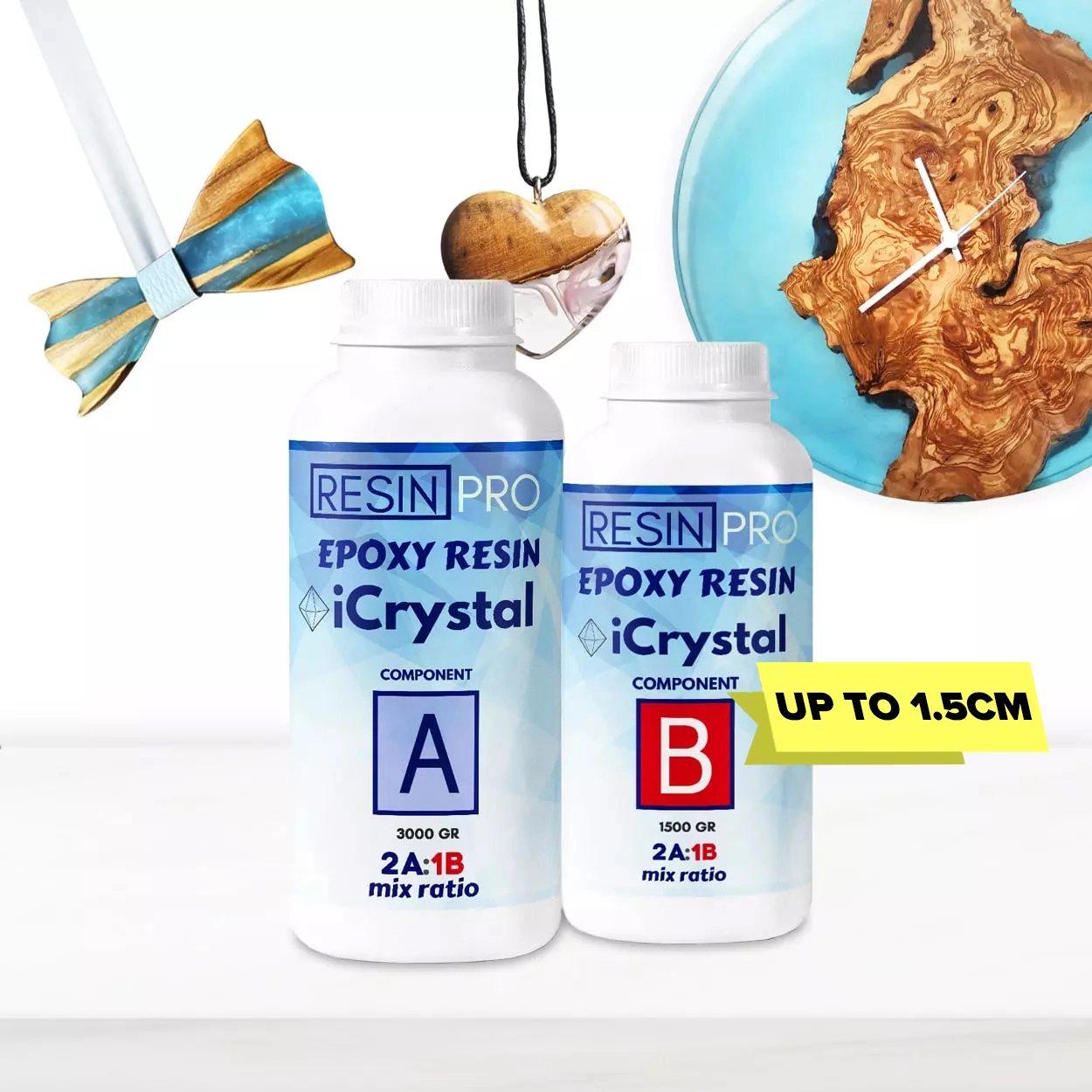
- “Icrystal” – Clear Epoxy Resin – Odourless Formula – Up to 1.5cm: A transparent resin ideal for new layers or repairs that enhance clarity.
- Soft microfibre clothes (lint-free)
- Mild dish soap (non-abrasive)
- Warm water
- Isopropyl alcohol (70% or higher, for surface cleaning when safe)
- Polishing paste (suitable for resin)
- Gloves and personal protective equipment

Gallery of Restored Resin Pieces
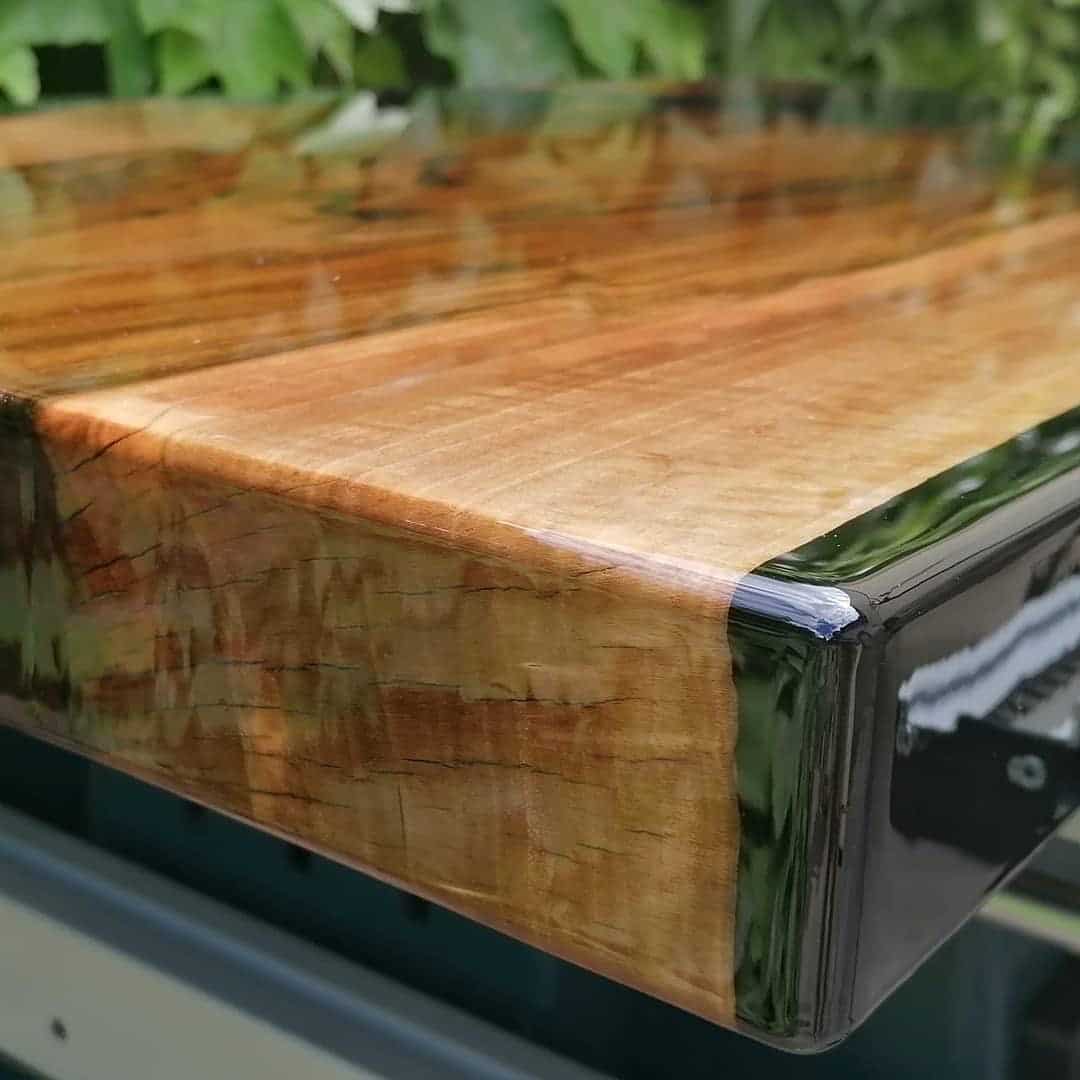
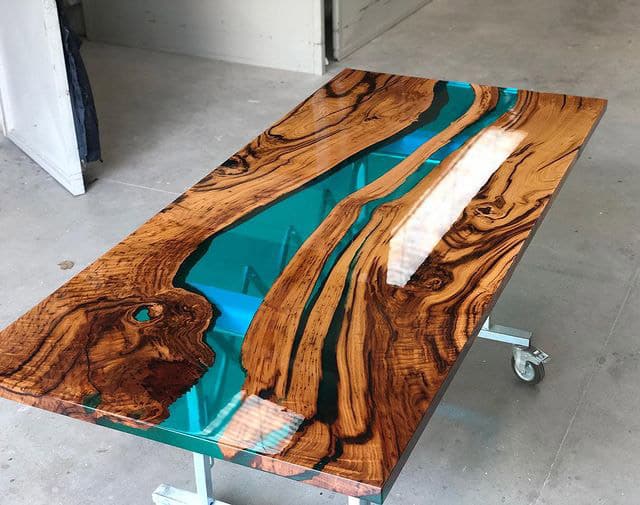
See inspiring before-and-after examples of resin items restored to their best clarity. Notice how gentle cleaning, polishing, and the right products can make a visible difference on yellowed or cloudy surfaces.
Step 1: Clean the Resin Surface Gently
Start by removing any surface dirt, grease, or haze using a soft, lint-free cloth lightly dampened with warm water and a drop of mild, non-abrasive dish soap. Gently wipe the surface in circles to prevent scratching. Avoid abrasive sponges or powders, as these can create micro-scratches that dull the shine. For stubborn residues, try applying a small amount of isopropyl alcohol to the cloth—never directly on the resin—then gently buff the area. Always dry the resin thoroughly after cleaning to prevent water spots or residue build-up.
Step 2: Remove Yellowing and Surface Stains
If the resin has started to yellow or shows signs of persistent stains, it’s important to know that direct bleaching with household products can damage and cloud the resin. Do not use chlorine bleach or harsh chemicals, as they compromise clarity and may degrade the material over time. For minor yellowing, gently polishing the surface with a resin-safe polishing paste can help restore clarity. Apply the paste with a soft cloth, using light, circular motions, and then buff with a clean, dry cloth. This approach lifts superficial discolouration without harming the resin integrity.
Step 3: Re-Coat With Fresh Epoxy Resin When Needed
When cleaning and polishing are insufficient for deep yellowing or cloudiness, applying a thin coat of fresh resin may be the best solution. Lightly sand the affected area with fine-grit sandpaper (400–800 grit) to create a smooth, keyed surface for adhesion, and remove dust with a tack cloth. Mix and pour a thin, self-levelling layer of a transparent epoxy suitable for your project thickness, such as “Icrystal” – Clear Epoxy Resin – Odourless Formula – Up to 1.5cm, ensuring a flawless, glass-like finish. Allow the resin to cure fully in a dust-free area for the best results.
Step 4: Prevent Future Yellowing with Proper Care
Long-term clarity depends on ongoing care. Avoid direct sunlight when curing and displaying resin objects, as UV exposure accelerates yellowing. Regularly dust and clean resin surfaces with gentle techniques, and consider products that offer UV resistance for future projects. When possible, display items away from windows and heat sources to prolong their shine and brightness.
Tips & Common Mistakes to Avoid
Always work in a well-ventilated space and wear gloves. Never attempt to bleach resin with aggressive products like household bleach, peroxide, or acetone. Test any cleaning approach on an inconspicuous area before using it on important pieces. If working on restoration or repairs, invest in resins with proven UV resistance and check application thickness guidelines for best clarity. A gentle, preventive maintenance routine always delivers the longest-lasting bright effect.
What Not to Use When Brightening Resin
Never use bleach, peroxide, acetone, or other harsh chemicals on cured resin. These will damage the surface, cause cloudiness, and reduce the lifespan of your project. Opt for cleaning and renewal methods that preserve clarity and protect your work for years to come.

- “Epoxytable 10-Ten” – Deep Pour Epoxy Resin for Tables, Up to 10cm CastingPrice range: £33.85 through £334.85“Epoxytable 10-Ten” resin is suitable for casting tables up to 10cm depth with strong UV filters for long-lasting clarity.
- "Icrystal" – Clear Epoxy Resin – Odourless Formula – Up to 1.5cmPrice range: £11.65 through £954.85"Icrystal" offers a transparent, odourless epoxy resin with high scratch resistance, suitable for table surfaces and creative projects.
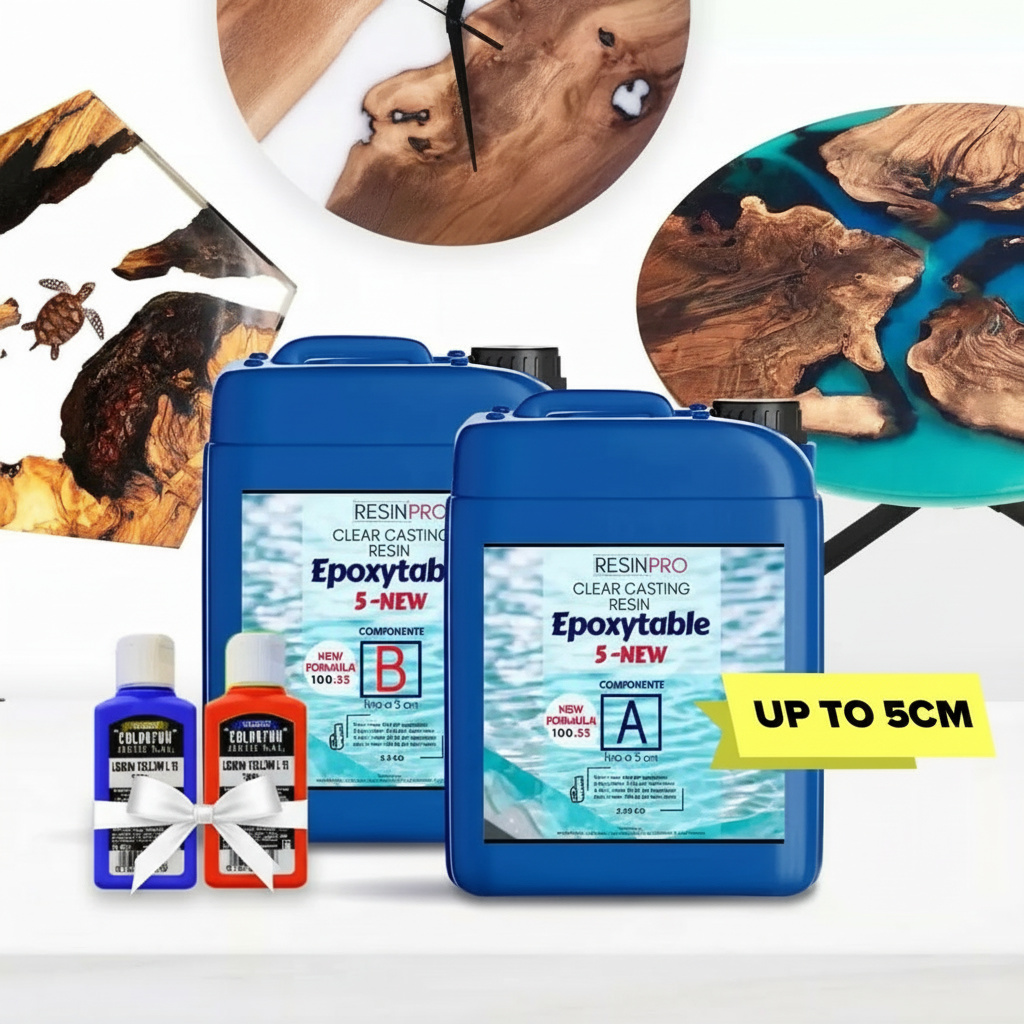 "EpoxyTable 5-Five" – Deep Pour Epoxy Resin for Tables and Large Projects – Up to 5cmPrice range: £16.85 through £1,099.85"EpoxyTable 5-Five" is a deep pour epoxy resin designed for tables and large projects requiring up to 5cm thickness, suited to the "How do you bleach…
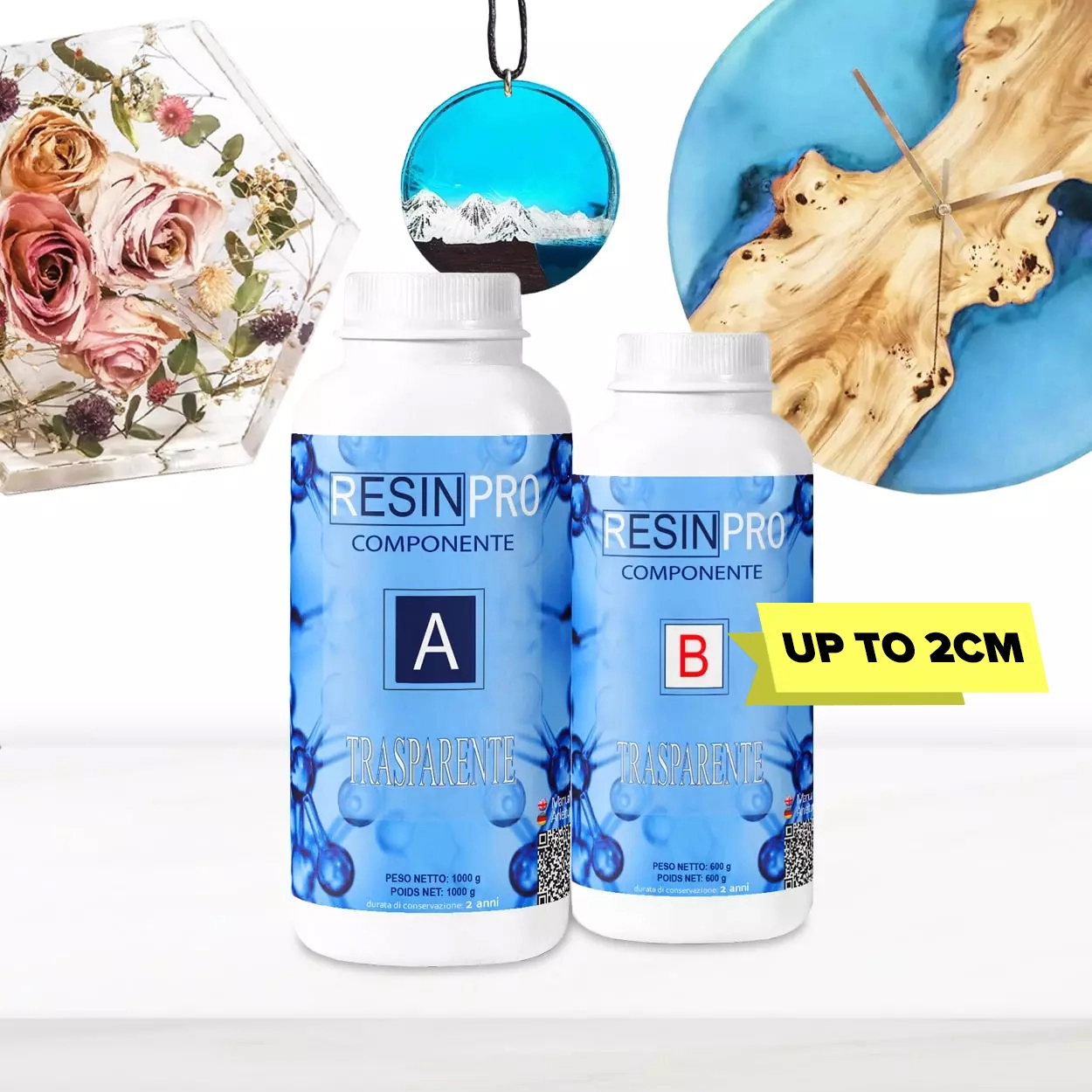 "Trasparente" – Multipurpose Clear Epoxy Resin for Casting – Up to 2cmPrice range: £8.45 through £948.85"Trasparente" is a clear, multipurpose epoxy resin suitable for casting layers up to 2cm, delivering a glossy self-levelling finish for detailed…
Frequently Asked Questions
Can you use chlorine bleach on resin projects?
No, chlorine bleach will damage and cloud resin. Use gentle cleaning or polishing techniques instead.
How do you remove yellowing from resin?
Carefully polishing with a resin-safe compound or recoating with new clear resin can minimise surface yellowing.
Does UV light cause resin to yellow?
Yes, regular exposure to UV light can cause resin to yellow. Use UV-resistant resin and avoid sunlight for best results.
Can you fix cloudy or foggy resin?
Cloudy resin can often be improved with gentle cleaning or a new layer of clear epoxy after surface prep.
Should you sand resin before adding a new layer?
Yes, lightly sanding with fine grit helps the new resin bond smoothly and gives a flawless finish.
Are there resins that do not yellow?
Some resins offer UV filters for improved clarity, but all resin can eventually yellow if exposed to sunlight or heat.
How often should you clean epoxy resin surfaces?
Regular dusting and gentle cleaning help maintain clarity and prevent haze or stains on resin surfaces.