 Free shipping on orders over £29,85
  Shipping Tracking!


 Google
 Facebook
← Back to how to make an epoxy resin table
Smoothing out imperfections is key to any resin table project. If your cured tabletop isn’t flat, it often traces back to the preparation and setup rather than the materials alone.
Why Surfaces Cure Unevenly
The most common reason for an uneven epoxy resin table is an unlevel mould or support surface. Gravity causes liquid resin to flow and settle according to the angle of your base—so even a minor tilt can result in pooling, thin spots, or pronounced edges. Sometimes, issues can also stem from inconsistencies in your formwork or uneven distribution during the pour.
How to Ensure a Level Pour
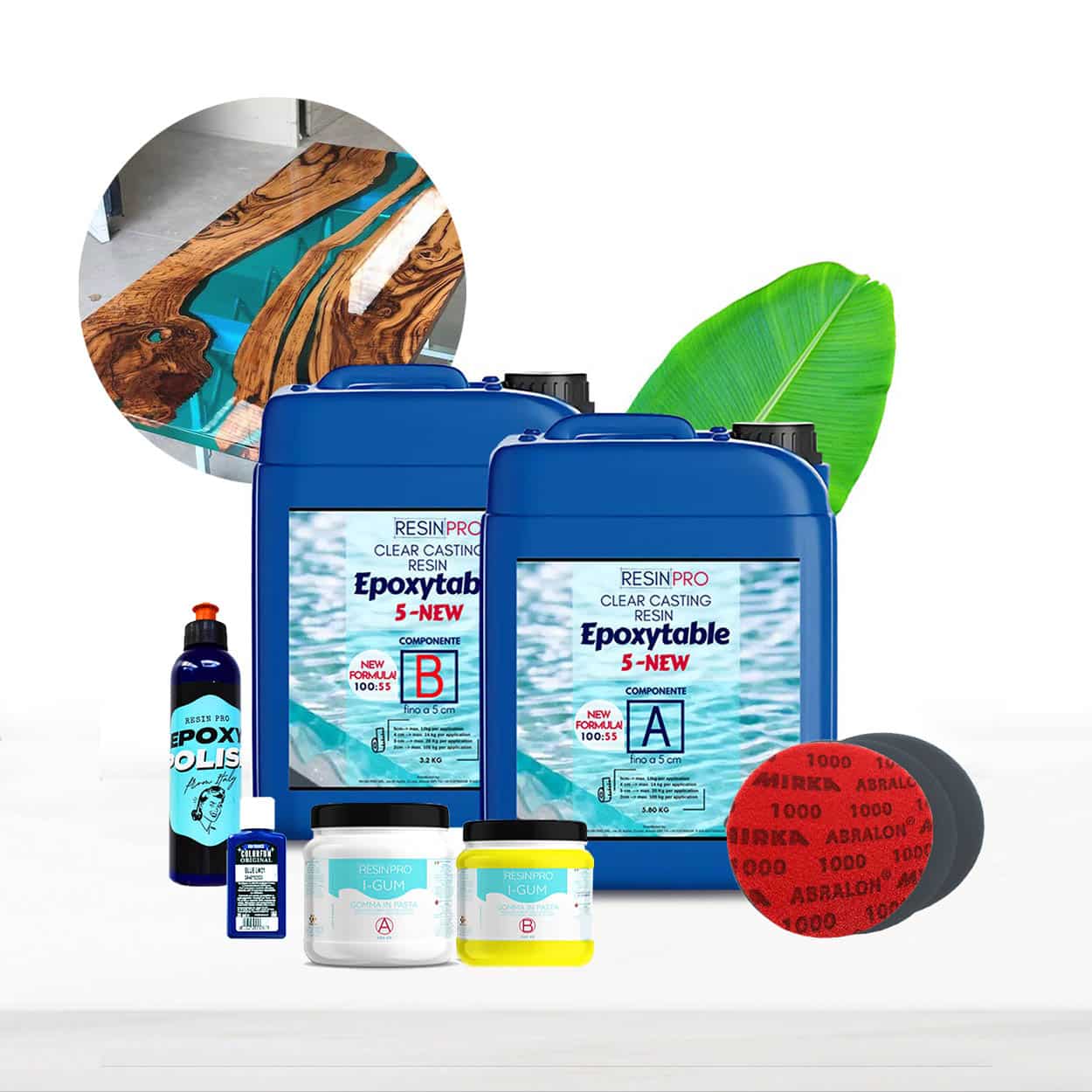
Set up your formwork and tabletop base on a stable, flat area before you begin. Use a spirit level in several directions to check and double-check both your surface and the mould walls. Adjust as necessary with small wedges or shims. Once your setup is perfectly level, you’re ready to mix and pour your resin. For beginners, using a kit with clear instructions—like the “River-Table” Complete Kit—can streamline preparation and boost confidence in achieving a flat finish.
When Level Surfaces Matter Most
Achieving an even finish matters not just for aesthetics, but also for function. Flat tables are more comfortable to use and less likely to collect spills or wobble items. This is especially important for larger pieces and whenever you’re working with thick resin pours, where uneven distribution can be more noticeable after curing.
Related products
Related guides
With a bit of care in set-up and by following reliable instructions, you can avoid uneven surfaces and craft a professional-quality epoxy resin table. For a complete guide from start to finish, visit our main page on how to make an epoxy resin table.