 Free shipping on orders over £29,85
  Shipping Tracking!


 Google
 Facebook
how to make an epoxy resin table
Create your own showstopping centrepiece by learning how to make an epoxy resin table from scratch. This guide will walk you through every stage—from surface preparation and creating your formwork, to deep resin pours and a flawless finish—so you can achieve a professional result whether you’re a beginner or experienced DIYer.
Step-by-step expert guidance for stunning resin tables
What You’ll Need
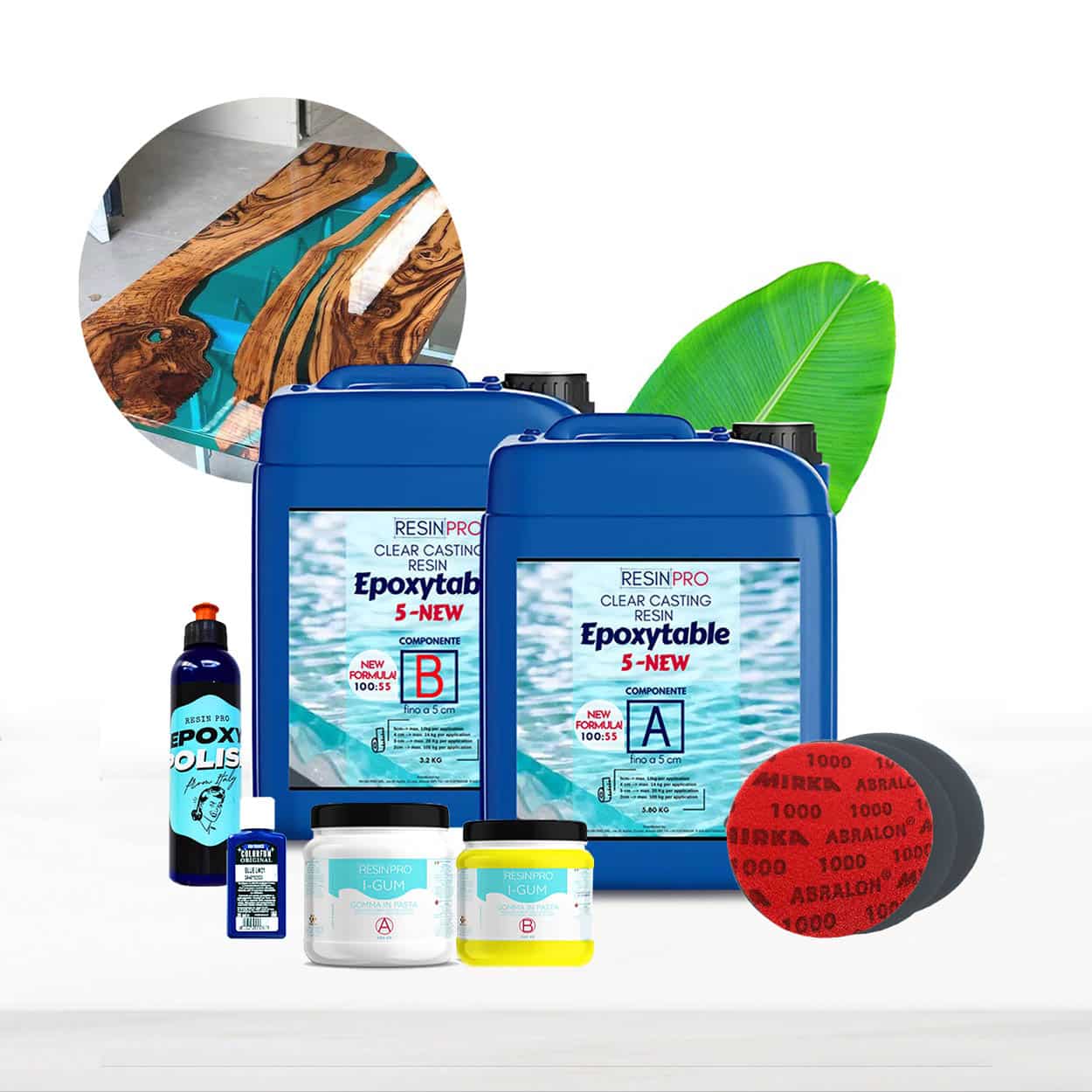
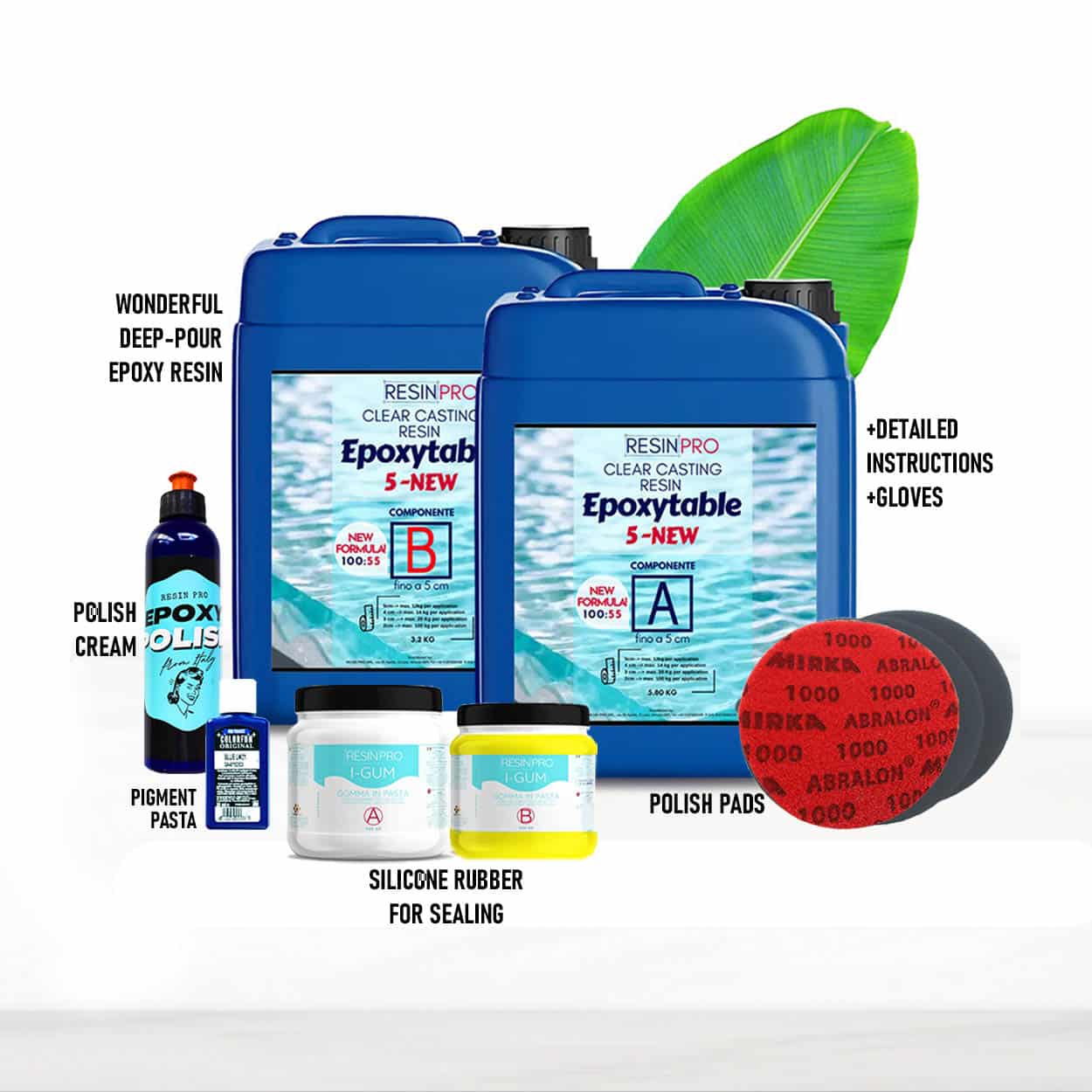
- “River-Table” – Complete Kit for Creating Your First Epoxy Resin Table — A starter-friendly kit with instructions and all basic materials needed for your resin table project
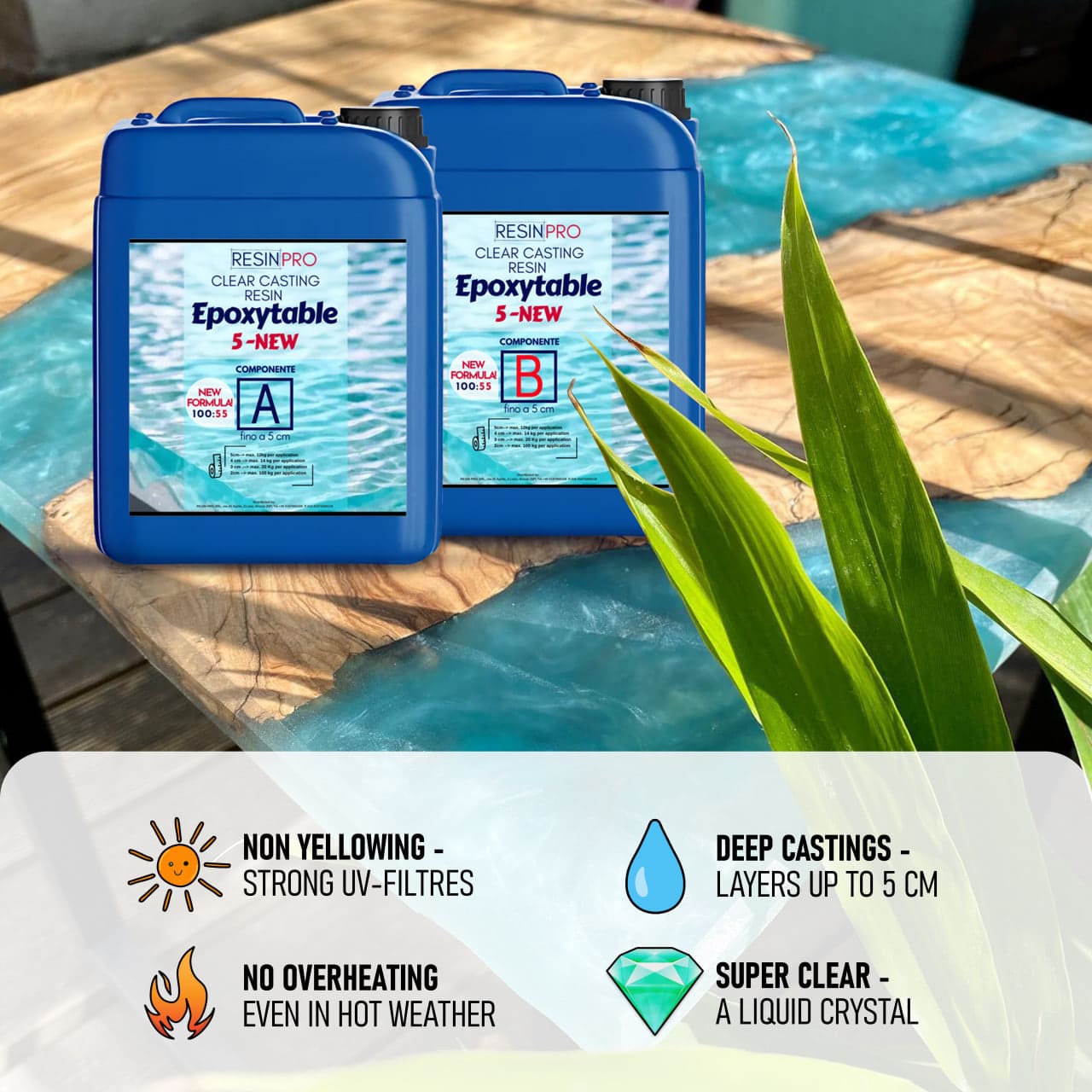
- “EpoxyTable 5-Five” – Deep Pour Epoxy Resin for Tables and Large Projects – Up to 5cm — For projects needing resin layers up to 5cm thick
- “Epoxytable 10-Ten” – Deep Pour Epoxy Resin for Tables, Up to 10cm Casting — Ideal for very deep resin tables and thick castings
- Hardwood planks or reclaimed wood for the table base
- Formwork boards (e.g. melamine, plywood with sealing tape)
- Clamps, screws, silicone sealant, level
- Mixing buckets, spatulas, measuring scales
- Protective gloves, apron, and dust mask
- Sanding tools and polishing pads
- Optional: pigments, decorative inlays, or finishing oils

See the Process: Workspace, Wood, and Formwork Setup
Watch how simple workspace organisation and careful wood prep set you up for success. Notice the precise sealing of the mould using silicone for trouble-free resin pours. Detailed setup leads to professional results and maximises pour quality for your epoxy table project.
Step 1: Prepare Your Workspace and Wood Base
Clear a workspace with a stable, level surface. Make sure the area is dust-free, at a moderate temperature (generally 18–25°C), and well ventilated. Wear protective gloves and ensure good ventilation throughout the process to minimise contact with resin and inhalation of fumes.
Next, select and prepare your wood planks. Cut them to your desired table size and dry them thoroughly to prevent moisture from causing bubbles in the resin. Sand the edges smooth. Remove dust and debris completely. Dry wood is essential for a strong resin bond.
Step 2: Build and Seal the Formwork
Construct a sturdy box or frame (the formwork) from melamine, HDPE, or plywood lined with strong release tape. This will contain the resin as it sets. The formwork must be both waterproof and rigid to prevent leaks and warping. Position the wood base inside the form.
Seal all internal joints and edges with silicone. Apply a thin bead, smoothing it with a gloved finger for a watertight barrier. Ensure the form is level using a spirit level—to avoid the resin forming an uneven surface. Seal and level the formwork before pouring resin to avoid costly spills and uneven pours.
If you want a beginner-friendly approach, consider using the “River-Table” – Complete Kit for Creating Your First Epoxy Resin Table, which includes silicone rubber for effective sealing and step-by-step instructions for formwork assembly.
Step 3: Mix and Pour the Epoxy Resin
Calculate the required amount of resin by measuring the voids to be filled. Combining resin components should always follow the manufacturer’s recommended ratio for best results. Mix thoroughly but gently to reduce trapped bubbles. Use clean, disposable buckets and spatulas, and avoid rushing the blending phase.
Pour the first layer of resin slowly into the mould. If your project requires deep pours, select an appropriate resin: use “EpoxyTable 5-Five” – Deep Pour Epoxy Resin for Tables and Large Projects – Up to 5cm for up to 5cm deep, or “Epoxytable 10-Ten” – Deep Pour Epoxy Resin for Tables, Up to 10cm Casting for deeper fills.
Pour in stages rather than filling in a single go if your total depth exceeds the resin’s recommended limit. Pour resin slowly, layer by layer if needed to prevent overheating or exothermic reactions that could cause warping or bubbles.
Add pigments or decorative elements as desired between layers, ensuring they are compatible and don’t disrupt curing.

Step 4: Cure, De-mould, and Flatten the Tabletop
Allow the resin to cure undisturbed, based on the product’s curing time (typically 24–72 hours for deep pours). Avoid moving the project or exposing it to dust during this phase. Allow proper curing time before de-moulding to ensure a hard, bubble-free surface.
Once fully cured, remove clamps and carefully release the table from the formwork. Flatten the underside if necessary using a router or sander, especially if resin seeped underneath.

Step 5: Sand, Polish, and Finish the Surface
Begin by sanding the surface, starting with a coarse grit and progressing to finer grits, removing any surface imperfections or sharp edges. Work gradually to avoid creating swirl marks or dull patches. Remove sanding dust between grit changes.
Polish with a compound and soft pad for a glass-like finish. The kit options like the “River-Table” – Complete Kit for Creating Your First Epoxy Resin Table include a dedicated polishing kit for this step. Sand and polish the surface for a perfect finish and consider applying a finishing oil or wax to enhance sheen and durability.
Install the base or legs to complete your epoxy resin table project.
Tips, Common Mistakes, and Troubleshooting
Always check that the room is dust-free before pouring to prevent surface blemishes. Wear gloves and a mask while mixing and sanding. Avoid pouring too thick in one go, as this can cause excessive heat and cracking. If bubbles appear, lightly pass a heat gun across the resin surface during the open time. When sanding, use water for finer grits to minimise marks and overheating. Always allow enough time for each layer to cure before adding more resin or removing from the mould.
Take your time on every step, from measuring to mixing, to achieve professional, lasting results.
Finishing Techniques for a Lasting Shine
Discover step-by-step finishing: sanding with progressive grits, polishing for a crystal-clear effect, and applying optional oils or waxes for durability. Take your time to achieve a truly spectacular surface with expert finishing techniques.

- "River-Table" – Complete Kit for Creating Your First Epoxy Resin TablePrice range: £188.85 through £444.85Kit including epoxy resin, silicone sealant, pigments and polishing kit designed for making wood and resin tables.
- "EpoxyTable 5-Five" – Deep Pour Epoxy Resin for Tables and Large Projects – Up to 5cmPrice range: £16.85 through £1,099.85"EpoxyTable 5-Five" is a deep pour epoxy resin suitable for tables and large projects, designed for thick, clear coatings up to 5cm.
 “Epoxytable 10-Ten” – Deep Pour Epoxy Resin for Tables, Up to 10cm CastingPrice range: £33.85 through £334.85“Epoxytable 10-Ten” is designed for deep pour casting up to 10cm, suitable for table projects within a resin table making theme.
 "Evershine Collection" – Artisan Jewellery Epoxy Resin Kit with 100+ Accessories£20.85This artisan jewellery epoxy resin kit provides a complete set including 500g clear resin and over 100 accessories, suitable for creative resin…
Frequently Asked Questions
What kind of wood should I use for an epoxy resin table, and how should I prepare it?
Use kiln-dried hardwood for best results. Ensure the wood is dry, flat, and free from dirt or oils before sealing and pouring resin.
How deep can I pour epoxy resin in a single layer, and how do I avoid defects?
Pour to the maximum thickness recommended for your resin (often 5–10cm). For deeper pours, use multiple layers allowing each to cure before pouring the next.
What can I do if bubbles appear in my epoxy resin after pouring?
Use a heat gun or torch gently over the surface while the resin is still liquid to help bubbles rise and pop.
How do I sand and polish my finished epoxy resin table for a clear finish?
Sand with progressively finer grits, then polish using a suitable compound and pad until the surface is smooth and glossy.
How long do I need to leave the resin to fully cure before using the table?
Allow at least 24–72 hours curing time, depending on the resin, depth and room temperature, before sanding or demoulding.
Is it possible to add pigments, colours, or decorative inlays into the resin pour?
Yes, you can use pigments or embed objects, but always ensure they are clean, dry, and compatible with the resin system.
Why did my resin table cure unevenly, and how can I avoid this?
Uneven curing often results from an unlevel mould. Always use a spirit level and confirm the formwork is on a flat surface before pouring.