 Free shipping on orders over £29,85
  Shipping Tracking!


 Google
 Facebook
← Back to How do you apply enameling resins?
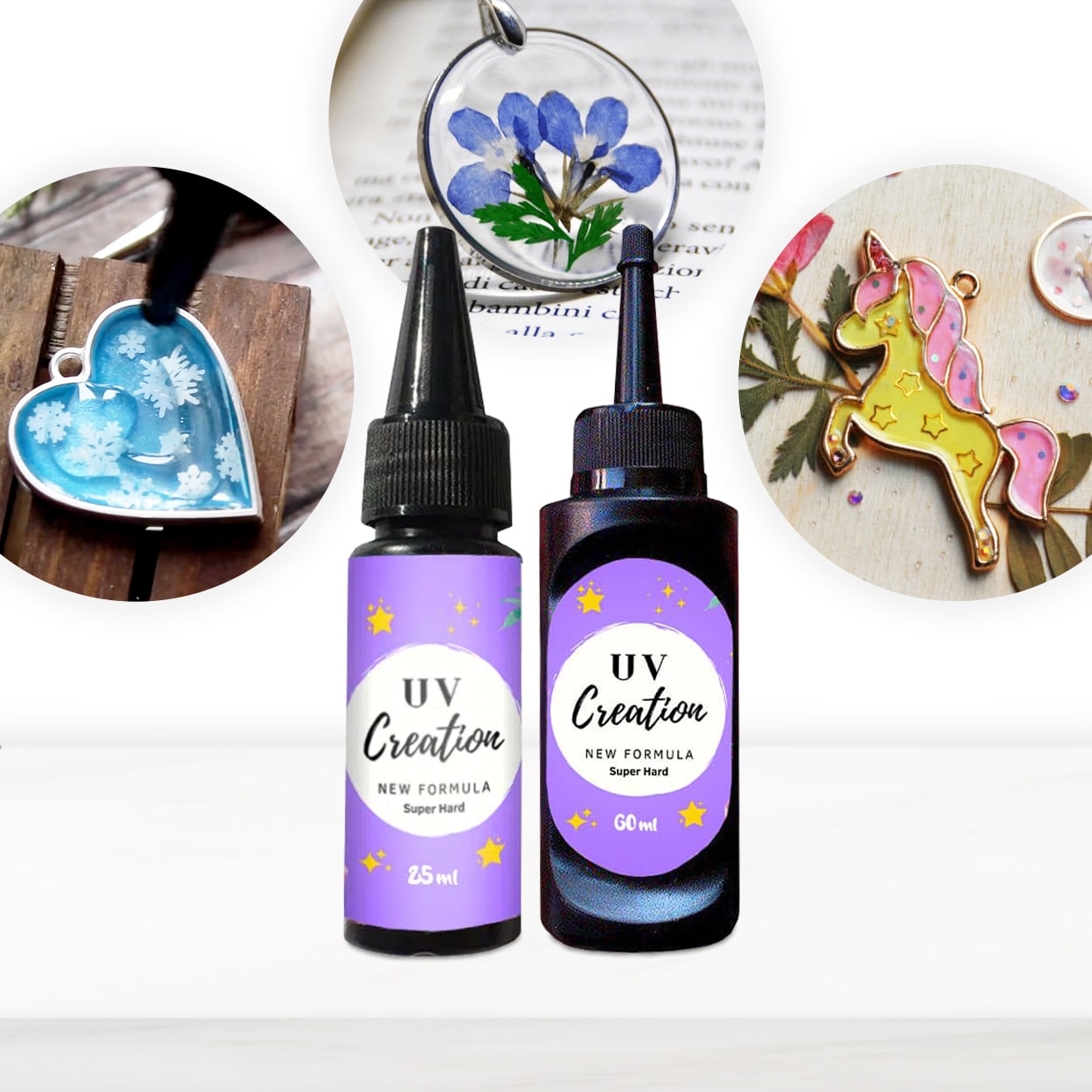
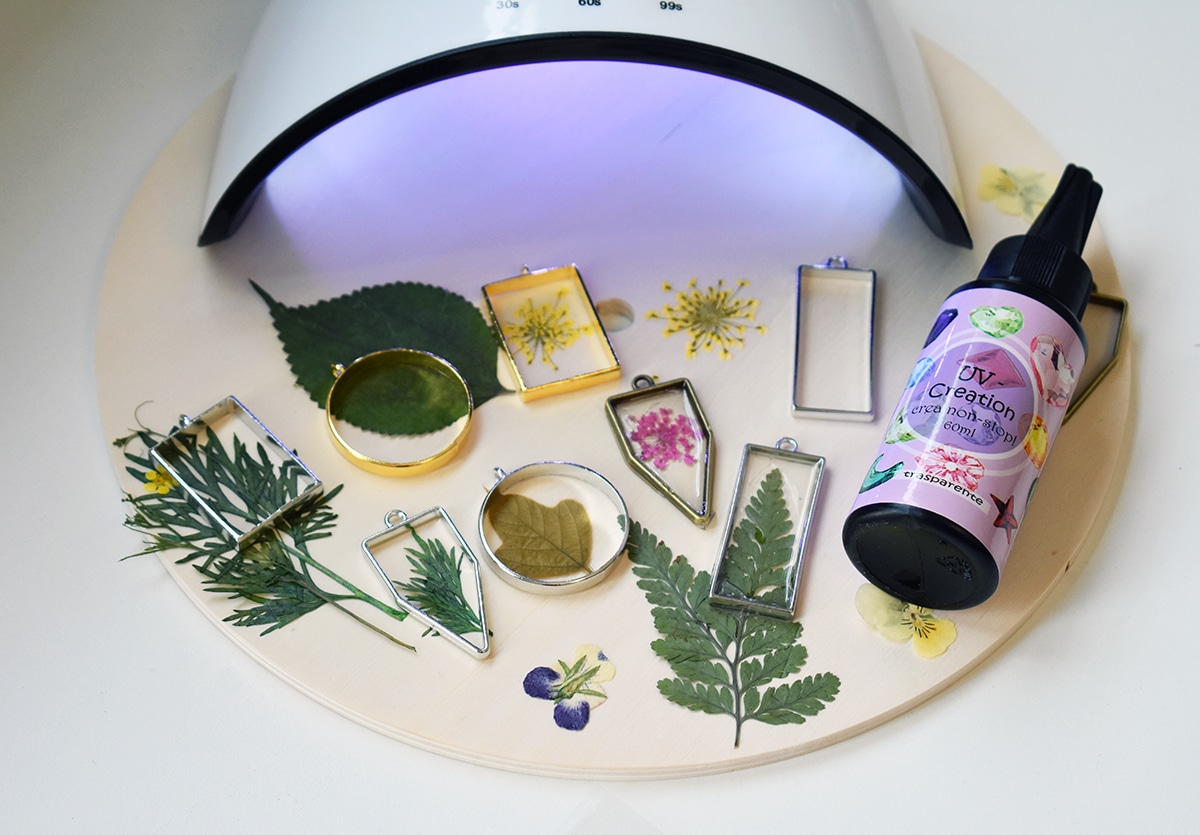
Adding colour to your resin projects can transform your creations, but not all colourants work with every resin type. Checking compatibility before pouring saves time, materials, and ensures reliable results.
Why Compatibility Matters
Certain additives or pigments may react poorly with specific resins, leading to cloudiness, incomplete curing, or unexpected colour shifts. For example, while some colourants such as Colourfun are compatible with UV resins, alcohol inks are not suitable and may inhibit proper curing or bonding. This is especially important when using fast-curing UV resins like UV–Creation, which are formulated for clear results and rapid setting.
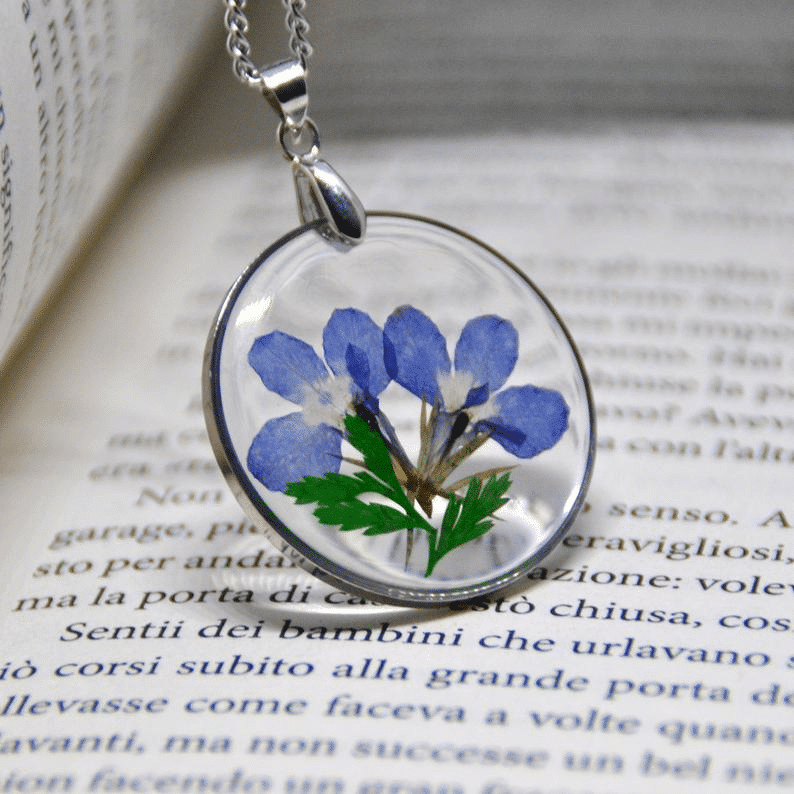
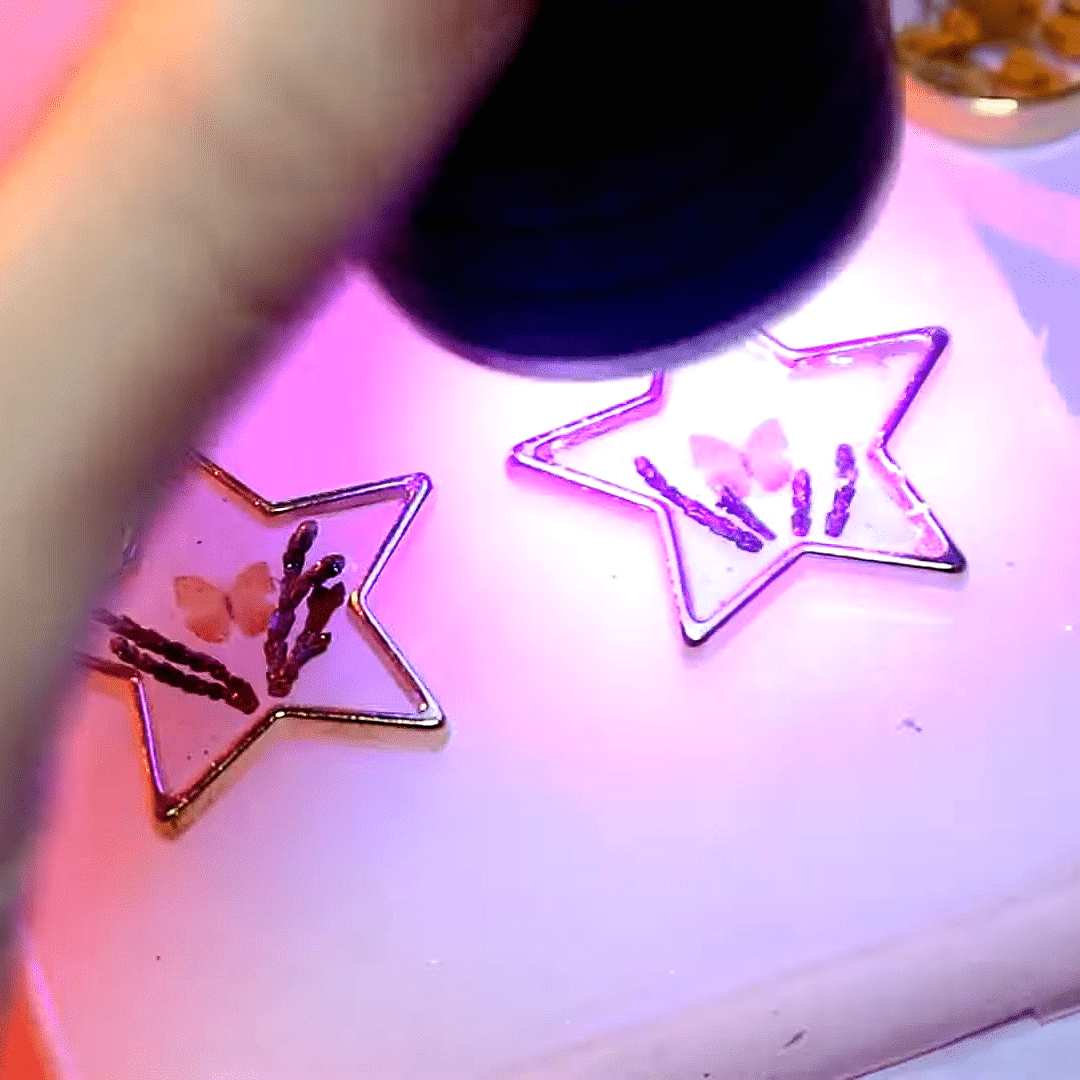
Choosing Safe Colourants
Before starting a project, always check whether your selected pigment or dye is recommended for the resin you are using. Some resin manufacturers provide compatible colourant lists or suggestions. If unsure, run a small-scale test by mixing a tiny amount of colourant into a sample batch and checking that it cures completely with no adverse effects. Opt for colourants or liquid pigments specifically designed for your resin type to avoid disappointment.
When This Matters Most
Compatibility is critical for jewellery making, cabochon settings, and any project requiring a flawless, glossy finish. Likewise, if fast turnaround is needed and you’re relying on rapid UV cure, unexpected pigment reactions can cause unsightly blemishes or sticky spots.
Related products
Related guides
By verifying colourant compatibility in advance, you can achieve vibrant, clear results with your enameling resins. Ready to explore more? See our complete guide on how to apply enameling resins for expert tips and techniques.